Solar energy emissions
Solar energy technologies and power plants do not produce air pollution or greenhouse gases when operating. Using solar energy can help the environment indirectly when solar energy replaces energy sources that produce harmful emissions. Although using solar energy technologies is generally environmentally friendly, producing and disposing of solar energy technologies have some effect on the environment.
Manufacturing and materials
Solar energy technologies require materials, such as metal and glass, that take a lot of energy to produce. The environmental impact related to producing these materials could be associated with the environmental impact of solar energy systems. Studies have shown that a photovoltaic (PV) system can produce energy equal to the energy used to manufacture it within 1 to 4 years. Most PV systems operate for 30 years or more, which means they continue to operate long after the initial energy investment is repaid.
Hazardous chemical use and disposal
Manufacturing PV cells and panels involves hazardous chemicals. These chemicals must be handled carefully to prevent them from being released into the environment. Some types of PV cells contain heavy metals, which require special handling when they are retired. Some solar thermal systems use potentially hazardous fluids to transfer heat, and leaks could be harmful. U.S. environmental laws regulate how these hazardous materials are used and disposed of. The U.S. Department of Energy supports various projects to address end-of-life issues for solar energy technologies, including recycling materials from old cells and panels. Several states have also enacted laws that encourage solar panel recycling.
Land use
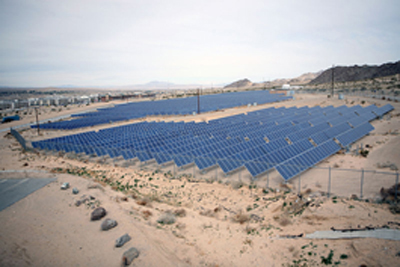
Like any large power plant, solar power plants can affect the local environment. Clearing land for a power plant can affect the habitats of native plants and animals. However, installing solar power plants on farm land that isn’t ideal for farming or integrating them into farms may offer economic and environmental benefits to farmers.
Water use and wildlife
Some solar power plants need water to clean solar collectors and concentrators or to cool equipment. In dry environments, using large volumes of ground water or surface water for cleaning could affect the ecosystems that depend on those water sources. In addition, the intense beam of concentrated sunlight from solar power towers can harm birds and insects that fly into it.