U.S. Energy Information Administration logo
Skip to sub-navigation

Diesel fuel explained  

What is diesel fuel?

Diesel fuel is the common term for distillate fuel oil, which is sold for motor vehicles that have a compression ignition engine. The inventor of the diesel engine, German engineer Rudolf Diesel, patented his original design in 1892.

did youknow

?

One of the fuels that Rudolf Diesel originally considered for his engine was vegetable seed oil, an idea that eventually contributed to biodiesel production and use today.

You can find diesel engines in many types of vehicles, including:

  • Freight and delivery trucks
  • Trains
  • Buses
  • Boats
  • Farm, construction, and military vehicles
  • Cars and light trucks

Diesel fuel is also used in diesel-engine generators to generate electricity, for example, in remote villages in Alaska. Diesel generators often serve as backup and emergency power in:

  • Industrial facilities
  • Large buildings
  • Institutional facilities
  • Hospitals
  • Electric utilities

What is diesel fuel made from?

Diesel fuel is refined from crude oil and from biomass materials. Most of the diesel fuel produced and consumed in the United States is refined from crude oil at petroleum refineries. U.S petroleum refineries produce an average of 11 gallons to 12 gallons of diesel fuel from each 42-gallon (U.S.) barrel of crude oil. The United States also produces and consumes biomass-based diesel fuels.

Before 2006, most diesel fuel sold in the United States contained high quantities of sulfur. The sulfur in diesel fuel produces air pollution emissions that are harmful to human health. In 2006, the U.S. Environmental Protection Agency issued requirements to reduce the sulfur content of diesel fuel sold for use in the United States. The requirements were phased in over time, beginning with diesel fuel sold for vehicles used on roadways and eventually including all non-road diesel fuel. Diesel fuel now sold in the United States for on-highway use is ultra-low sulfur diesel (ULSD), which has a sulfur content of 15 parts per million or less. Most diesel fuel sold for off-highway (or non-road) use is also ULSD.
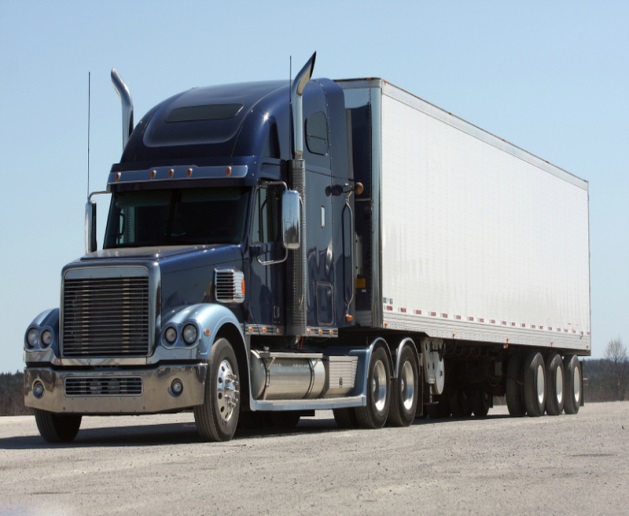
A photograph of a large freight truck that has a diesel engine

Freight truck with diesel engine

Source: Stock photography (copyrighted)

Statistics
Analysis
Tools
Education
News

Petroleum & Other Liquids

Crude oil, gasoline, heating oil, diesel, propane, and other liquids including biofuels and natural gas liquids.

Natural Gas

Exploration and reserves, storage, imports and exports, production, prices, sales.

Electricity

Sales, revenue and prices, power plants, fuel use, stocks, generation, trade, demand & emissions.

Coal

Reserves, production, prices, employment and productivity, distribution, stocks, imports and exports.

Nuclear & Uranium

Uranium fuel, nuclear reactors, generation, spent fuel.

Renewable & Alternative Fuels

Includes hydropower, solar, wind, geothermal, biomass and ethanol.

EIA Survey Forms

Forms EIA uses to collect energy data including descriptions, links to survey instructions, and additional information.

Total Energy

Comprehensive data summaries, comparisons, analysis, and projections integrated across all energy sources.

U.S. States

State energy information, including overviews, rankings, data, and analyses.

International

International energy information, including overviews, rankings, data, and analyses.

Environment

Greenhouse gas data, voluntary reporting, electric power plant emissions.

Data Tools, Apps, & Maps

Tools to customize searches, view specific data sets, study detailed documentation, and access time-series data.

Open Data

EIA's free and open data available as API, Excel add-in, bulk files, and widgets

EIA Beta

Come test out some of the products still in development and let us know what you think!

Open Source Code

EIA's open source code, available on GitHub.

RSS Feeds

Subscribe to feeds for updates on EIA products including Today in Energy and What's New.