
U.S. spent nuclear fuel inventory steadily increased from 2013 through 2017
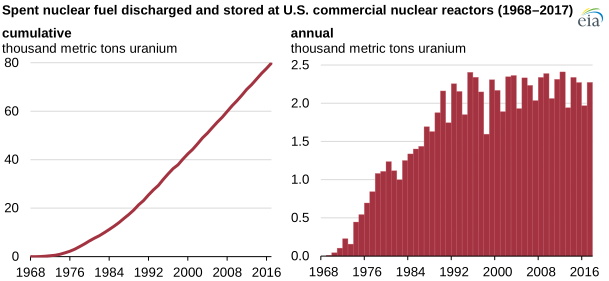
The volume of spent nuclear fuel produced by nuclear power plants in the United States has steadily increased during the past few decades. The volume of spent nuclear fuel at the end of 2017 was 13.5% metric tons more than at the end of June 2013, according to newly released data from EIA’s Nuclear Fuel Data Survey. The survey data contain information on the quantity and characteristics of spent nuclear fuel at the time when a reactor discharges it.
The Nuclear Fuel Data Survey shows that between 1968 and 2017, more than 276,000 bundles of spent fuel rods (fuel rod assemblies), which contained a little less than 80,000 metric tons of uranium, were stored in the United States. The inventory of spent fuel assemblies has grown by about 13.2% from mid-2013 to the end of 2017.
The nuclear fuel used in nuclear reactors requires concentrated uranium (known as enriched uranium), which is further processed to create nuclear fuel. The enriched uranium is encased in fuel rods that go in a reactor’s fuel assembly to generate electric power. Each fuel assembly is typically used for a cycle of 18 to 24 months.
The discharged spent nuclear fuel rods are stored in one of two ways. The first approach stores spent fuel rods in pools of water that cool them and provide additional shielding from radiation. The pools of water resemble swimming pools. The second approach stores pre-cooled spent fuel rods in a container filled with inert gas. Each container is surrounded by steel, concrete, or other material to provide a stronger shield from radiation. In the United States, nearly all spent nuclear fuel is currently stored onsite at commercial nuclear power plants. A very small amount of spent nuclear fuel, less than 1%, is stored at offsite facilities.
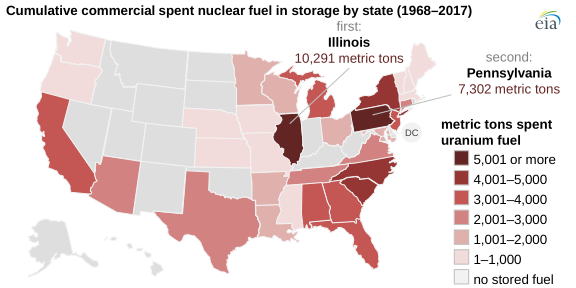
We collect data on spent nuclear fuel from 119 commercial reactors in 33 U.S. states. The oldest reactor, now permanently shut down, is the Dresden 1, which started operating in Illinois in 1959. The newest reactor started operating in Tennessee in 2016. More than 17,500 metric tons of the cumulative spent nuclear fuel by uranium mass in the United States is stored in two states, Illinois and Pennsylvania. New York, North Carolina, and South Carolina have the next highest volumes of spent nuclear fuel in storage at more than 4,000 metric tons of uranium in each state.
We administer the Nuclear Fuel Data Survey for the U.S. Department of Energy's Office of Standard Contract Management. You can learn more about nuclear energy in the United States on our website.
Principal contributor: Katherine Antonio
Tags: nuclear, power plants, inventories/stocks, map