
U.S. retail gasoline prices heading into Memorial Day weekend are at a multi-year low
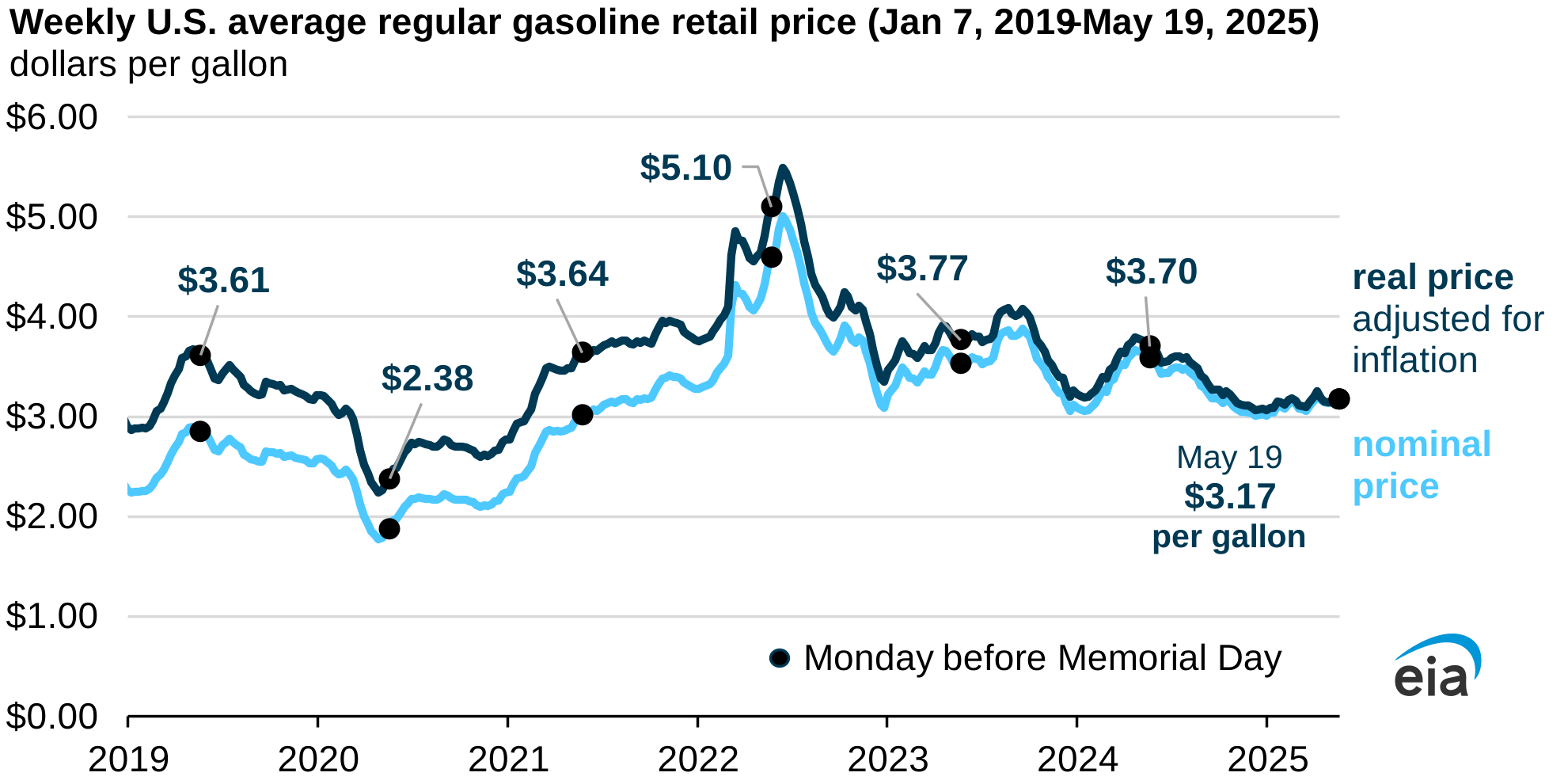
Note: Real prices are adjusted to May 2025 dollars.
The retail price for regular-grade gasoline in the United States on May 19, the Monday before Memorial Day weekend, averaged $3.17 per gallon (gal), 11% (or 41 cents/gal) lower than the price a year ago. After adjusting for inflation (real terms), average U.S. retail gasoline prices going into Memorial Day weekend are 14% lower than last year, largely because crude oil prices have fallen.
Memorial Day weekend is one of the biggest travel weekends of the year, and many of those travelers will go by car. The American Automobile Association (AAA) expects 39.4 million people will travel by car over Memorial Day weekend this year, an increase of 3% compared with last year.
Substantially lower crude oil prices—which are the main component of retail gasoline prices—have kept retail gasoline prices lower than usual going into spring. From May 1 to May 19, Brent crude oil prices averaged $64 per barrel (b), 20% less in real terms than in January and 26% less than in May 2024. Concerns about future economic growth, record-high U.S. crude oil production, and, more recently, announcements that OPEC+ will accelerate crude oil production increases have contributed to falling crude oil prices.
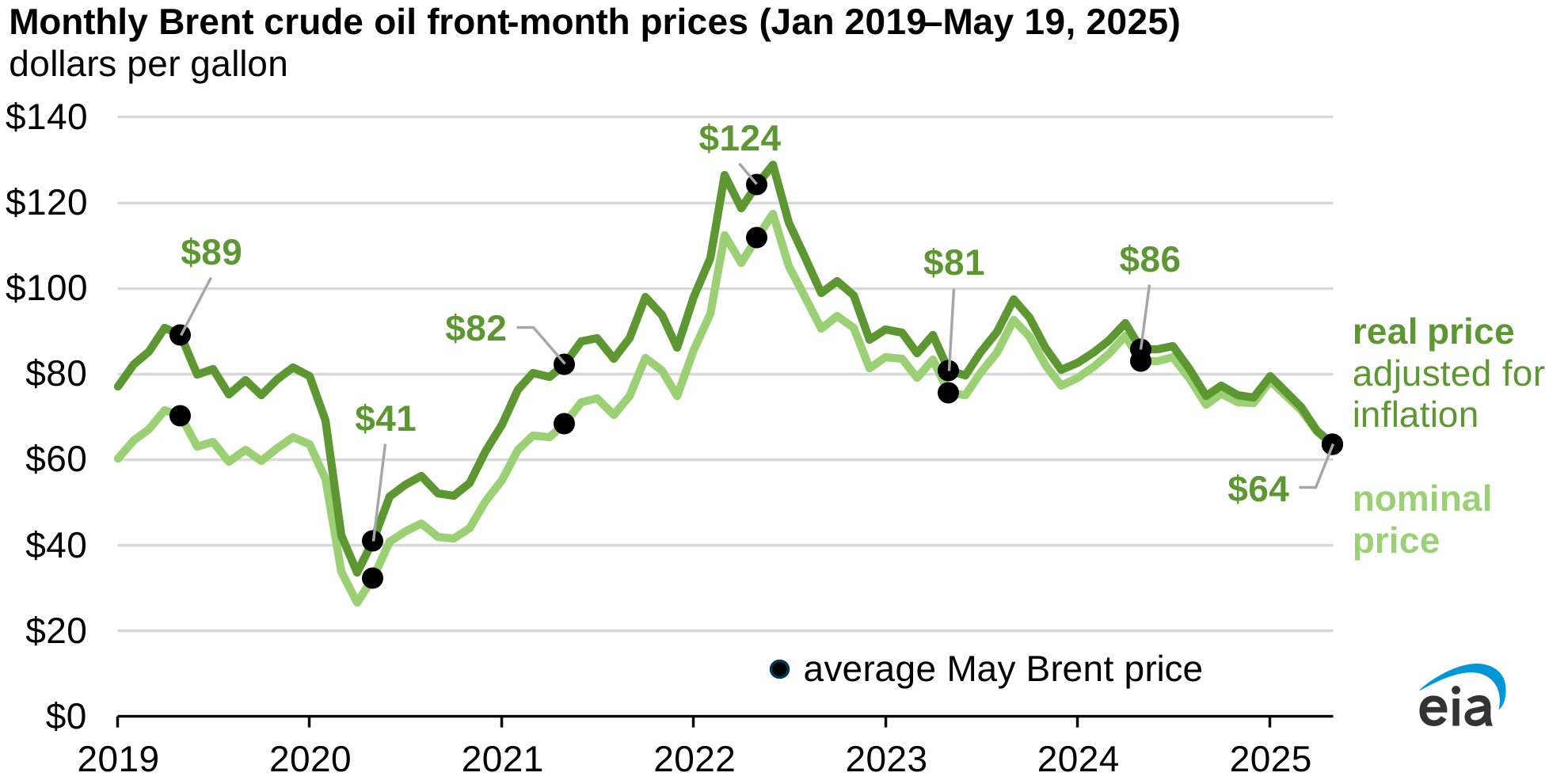
Note: Real prices are adjusted to May 2025 dollars.
Retail gasoline prices on the Monday before Memorial Day weekend are only 4% (or 13 cents/gal) higher than on the first Monday of January. Retail gasoline prices typically increase much more than that as gasoline demand increases going into the summer driving season and retailers are required to start selling more expensive summer-grade gasoline. Over the last 10 years and excluding 2020, retail gasoline prices increased 19% (or 49 cents/gal) on average from January to May.
U.S. gasoline prices vary regionally, reflecting local supply and demand conditions, state fuel specifications, and state taxes. Retail gasoline prices are usually the highest on the West Coast because of:
- The region’s limited connections with other major refining centers
- Tight local supply and demand conditions
- Higher-than-average state taxes in several West Coast states
- Gasoline specifications for California that make gasoline more costly to manufacture
On May 19, West Coast prices averaged $4.29/gal, down 10% in real terms from this time last year.
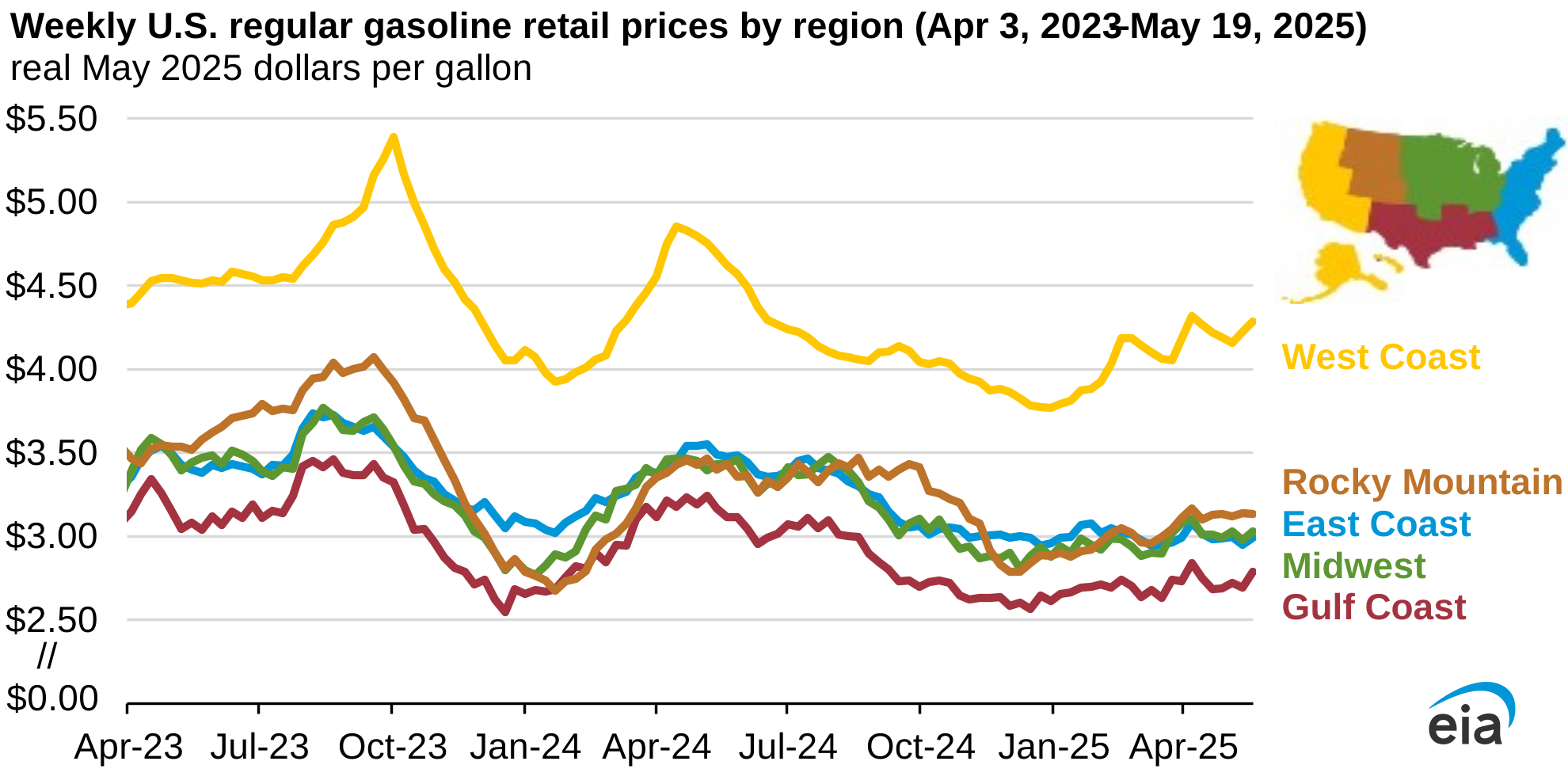
Gasoline prices on the Gulf Coast are usually the lowest of any U.S. region. Gulf Coast states are home to more than half of U.S. refining capacity, and more gasoline is produced than is consumed in the region. Gulf Coast states also have lower gasoline taxes than the national average. Gulf Coast prices on May 19 averaged $2.79/gal, down 13% from this time last year.
On the East Coast, which has the most gasoline demand of the five regions, retail gasoline prices averaged $2.99/gal, down 17% from 2024.
Prices are also down in the Midwest and the Rocky Mountains compared with last year. Midwest prices averaged $3.03/gal, down 15% from the previous year, and Rocky Mountains prices averaged $3.13/gal, down 12% from 2024 after adjusting for inflation.
Principal contributor: Alexander de Keyserling
Tags: prices, gasoline, liquid fuels, crude oil, oil/petroleum