
Average U.S. retail gasoline price exceeds $3.00 for the first time since late 2014
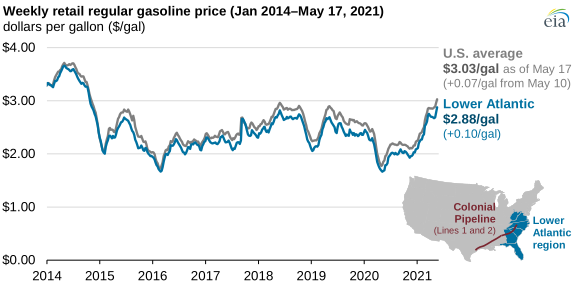
Disruptions to Colonial Pipeline operations prompted an increase in the average U.S. retail price for regular grade gasoline (retail gasoline price) to $3.03 per gallon (gal) on May 17, the first time retail gasoline prices averaged more than $3.00/gal since October 27, 2014. The average retail gasoline price in the Lower Atlantic (PADD 1C) increased 10 cents/gal from the previous week to $2.88/gal.
The increased retail price for gasoline in the Lower Atlantic resulted from outages at many gas stations in the region, which occurred because of the pipeline disruption that hindered supply and increased purchases of gasoline in response to the station outages. On May 17, New England (PADD 1A) and Central Atlantic (PADD 1B) retail gasoline prices averaged $2.93/gal and $3.04/gal, respectively, up 6 cents/gal and 5 cents/gal from the previous week. The Midwest (PADD 2) and Gulf Coast (PADD 3) retail gasoline prices averaged $2.91/gal and $2.78/gal, respectively, up 5 cents/gal and 11 cents/gal from the previous week.
After shutting down on Friday, May 7, Colonial Pipeline restarted some pipeline operations on Wednesday, May 12. On Saturday, May 15, Colonial Pipeline announced that it had returned the system to normal operations. Shipments through Colonial Pipeline move about five miles per hour, so some markets may need to rely on regional inventories until the fuel on the Colonial Pipeline can transit the pipeline.
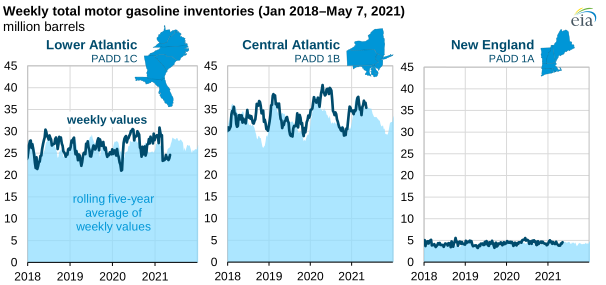
Our most recent Weekly Petroleum Status Report (WPSR) includes weekly regional closing inventory data for the East Coast and its subregions as of May 7, which include gasoline inventories just prior to the pipeline shutdown. On May 7, total motor gasoline stocks in the Lower Atlantic region were 24.6 million barrels, 7% less than the five-year average. Motor gasoline stocks in the New England and Central Atlantic regions combined totaled 40.0 million barrels, about equal to the five-year average. Data in the WPSR release tomorrow, May 19, will reflect inventories as of May 14, a week after the shutdown began.
You can find more details and background information about the Colonial Pipeline outages in our transportation fuels markets analysis.
Principal contributors: Jimmy Troderman, Matt French, Amerine Woodyard
Tags: prices, gasoline, disruption, liquid fuels