
U.S. jet fuel consumption in 2023 remained below the pre-pandemic high
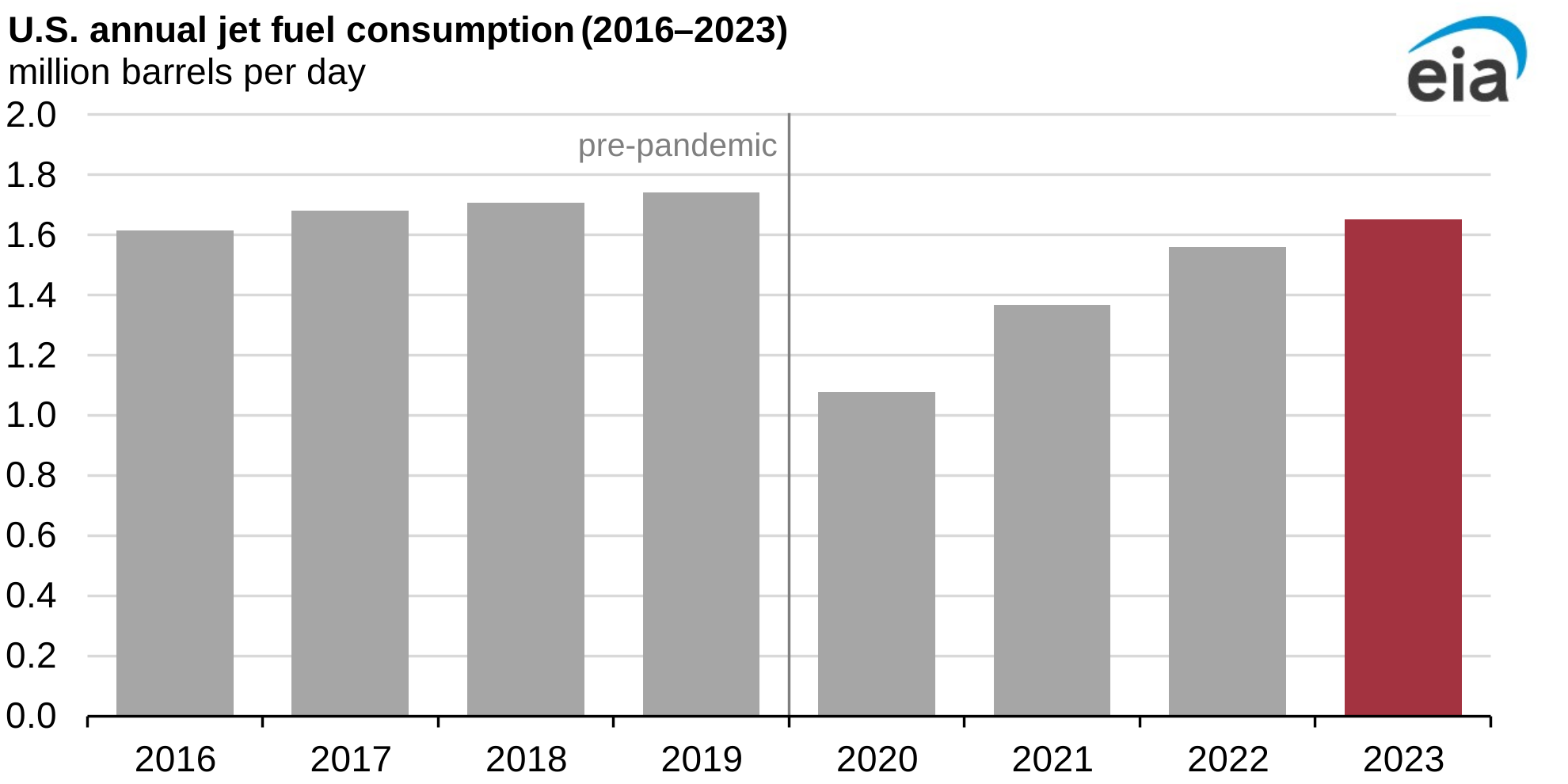
Annual jet fuel consumption in the United States grew in 2023 for the third year in a row but remained below the pre-pandemic peak in 2019, suggesting U.S. aviation had not fully returned to normal operations in the third year after the onset of the COVID-19 pandemic. U.S. jet fuel consumption averaged 1.65 million barrels per day (b/d) in 2023, 5% below the pre-pandemic high in 2019. So far this year, airline passenger volumes have surpassed 2019 levels and are consistently higher than in 2023.
In 2020, less jet fuel was consumed in the United States than in any year since 1985 due to reductions in air travel caused by the outbreak of COVID-19. As travelers began flying again, labor supply constraints in the aviation sector and high fuel prices contributed to a slower recovery for jet fuel consumption than other liquid fuels. With labor and fuel price constraints largely resolved in 2023, jet fuel consumption increased more slowly than during the two previous years and remained below pre-pandemic levels because of less activity by foreign-based commercial carriers, declining freight activity, and improving fuel efficiency in the commercial fleet.
Jet fuel is used by three categories of users:
- Commercial aviation, which includes passenger airlines and air freight companies
- General aviation, which includes recreational flying and business aviation
- Military and government aviation, which covers public sector users
We estimate commercial aviation typically accounts for around 85% of jet fuel consumed in the United States. General aviation accounts for around 8% of jet fuel consumption, and U.S. military and U.S. government consumers account for around 7% of jet fuel consumption.
Among the three, commercial jet fuel consumption was the most affected by pandemic-era travel reductions, falling 42% from 2019 to 2020. In 2023, commercial carriers consumed 8% less fuel than in 2019. General aviation users only consumed 11% less fuel in 2020 than in 2019. Military and government users were much less affected by travel restrictions; their jet fuel use only declined 7% from 2019 to 2020. Jet fuel consumption by both military and government and general aviation users recovered to pre-pandemic levels by 2021.
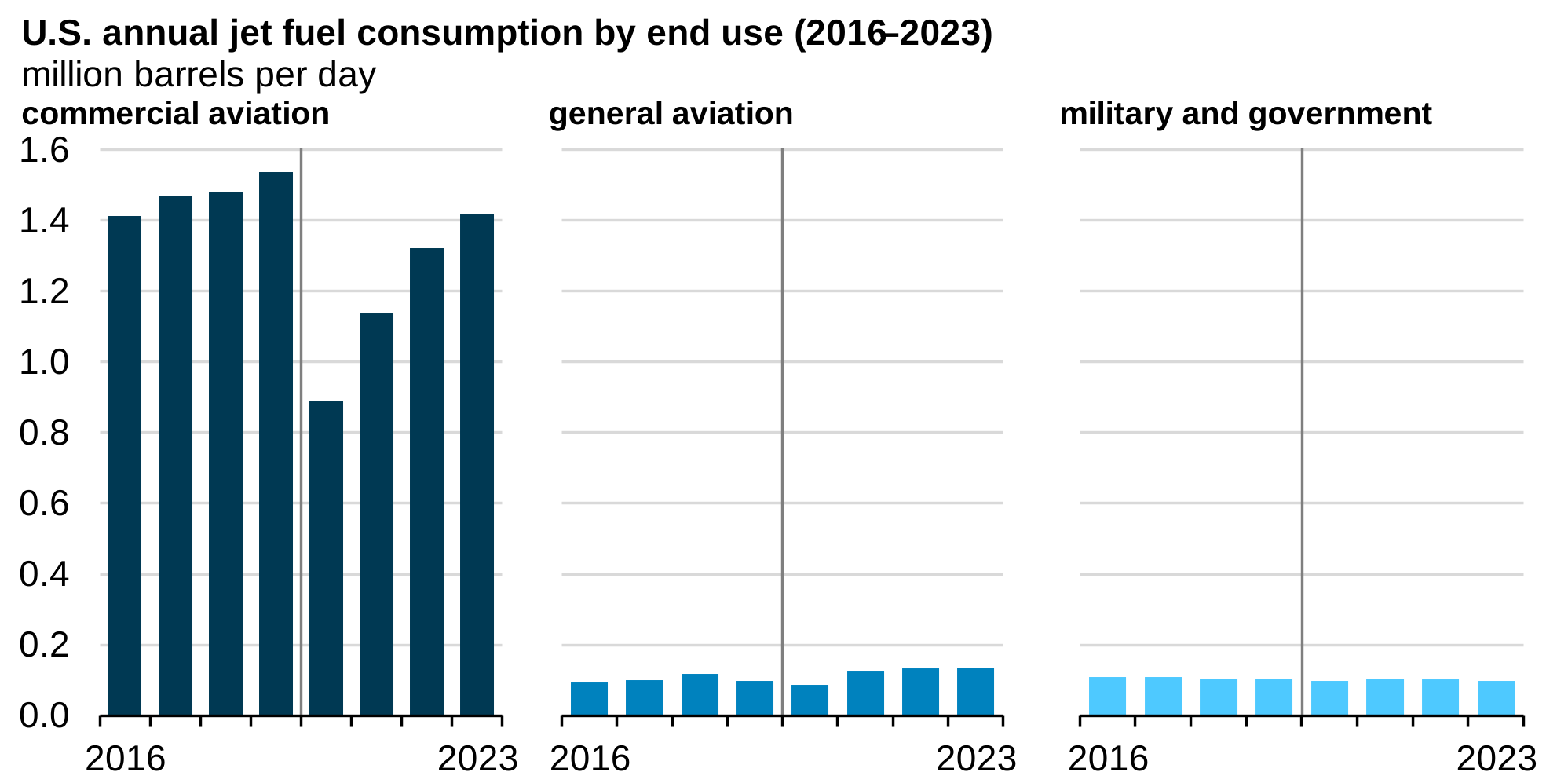
Note: We estimate jet fuel consumed for commercial uses is all fuel not used for military and government and general aviation purposes. DLA data represents jet fuel sales inside the continental United States. FAA general aviation data for 2023 is an estimate.
U.S. activity by foreign-based commercial passenger airlines continued to lag pre-pandemic activity in 2023 and was the major reason for less U.S. jet fuel consumption. In terms of available seat-miles, a measure of aircraft carrying capacity, foreign-based carriers offered 14% less capacity in 2023 than in 2019 for routes between the United States and international destinations. Over the same period, U.S.-based carriers increased their capacity for international routes by 2% and for domestic routes by 4%. Total available seat-miles for all routes were 2% less in 2023 than in 2019.
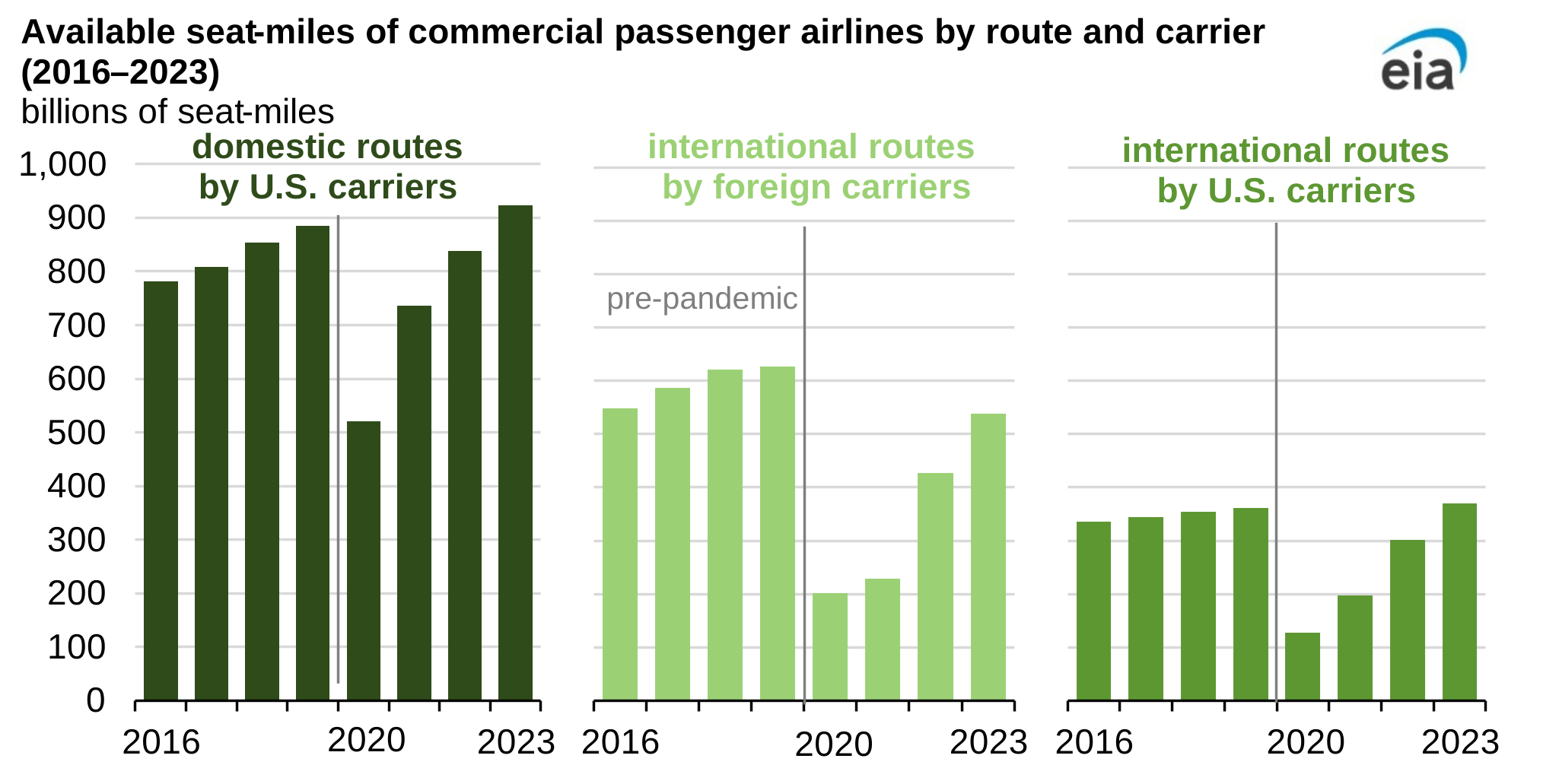
Note: U.S. carriers account for over 99% of capacity for domestic routes in the United States.
Declining air freight activity was another factor for slower growth in U.S. jet fuel consumption in 2023. Early in the pandemic, consumers spent less on services and more on goods, increasing jet fuel consumption by freight carriers. Air freight activity in terms of pounds transported increased by 12% from 2020 to 2021. Since then, freight activity from 2021 to 2023 declined 12% as supply chain constraints eased and spending on goods returned to typical levels, reducing jet fuel consumption by freight carriers.
The increasing fuel efficiency of newer airplanes has also limited U.S. jet fuel consumption. Commercial airlines continue to improve the fuel economy of their fleets to reduce operating costs. The average fuel economy of U.S. commercial carriers in terms of available seat-miles per gallon increased to 65.5 seat-miles per gallon in 2023 compared with 64.9 seat-miles per gallon in 2019. As aircraft manufacturers engineer and deliver more energy-efficient aircraft and engines into service, new aircraft, whether acquired to expand capacity or replace existing capacity, help to increase fuel efficiency in the commercial fleet.
Principal contributor: Alex de Keyserling