
Natural gas combined-cycle power plants increased utilization with improved technology
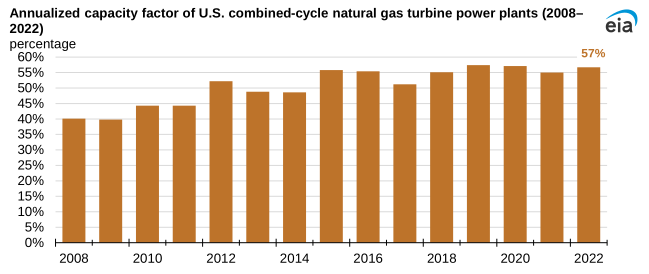
The average utilization rate (or capacity factor) for the entire U.S. fleet of combined-cycle natural gas turbine (CCGT) electric power plants has risen as the operating efficiency of new CCGT units has improved. The CCGT capacity factor rose from 40% in 2008 to 57% in 2022. Increased efficiency improved the competitiveness of newer CCGT units against other fuel sources and older CCGT units.
Two factors affect the utilization of a CCGT unit: the efficiency of the generator and the delivered cost of natural gas. More advanced H- and J-class natural gas turbine technology entered the market in the mid 2010s, increasing the efficiency of newer natural gas-fired power plants. Lower natural gas prices typically increase capacity factors at natural gas-fired power plants because the electricity generated is cheaper than from other sources, such as coal-fired plants. In 2012 and 2015, annual average capacity factors of CCGT units increased by more than seven percentage points when the annual Henry Hub natural gas price declined.
Grid operators generally dispatch generators sequentially from lowest to highest cost. Because CCGT units built between 2010 and 2022 typically have the lowest operating costs, they are dispatched more frequently compared with older CCGT power plants. In 2022, the capacity factor of CCGT units that began operations between 2010 and 2022 averaged 64%, compared with 55% for those that began operations between 2000 and 2009 and 35% for units that began operations between 1990 and 1999.
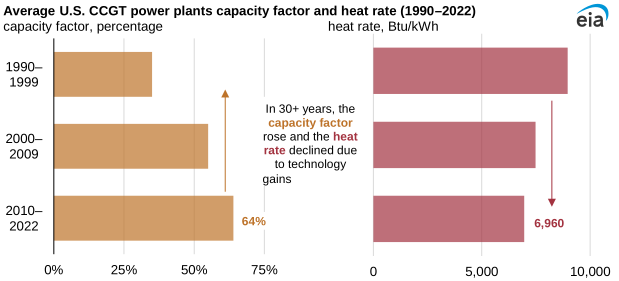
Note: Time ranges based on operation start date. Btu/kWh=British thermal units per kilowatthour.
About one-half of today's CCGT capacity was built between 2000 and 2006. This sudden increase in the number of CCGT plants was in response to power shortages that occurred in the late 1990s, coinciding with new and more efficient F-class natural gas turbines entering the market. Now, many of these CCGT plants are about 20 years old, which could lead to lower capacity factors as the units age.
Lower heat rates, the ratio of the amount of fuel required to generate a unit of electricity, are the result of increased efficiency of newer CCGT power plants. CCGT power plants built between 2010 and 2022 have the lowest average heat rate among all CCGT plants, at 6,960 British thermal units per kilowatthour (Btu/kWh) in 2022, which is 7% lower than units built between 2000 and 2009.
Principal contributors: Lindsay Aramayo, Mark Morey
Tags: natural gas, generation, electricity, power plants