
U.S. coal shipments increased slightly in 2022 as power plants replenished stockpiles
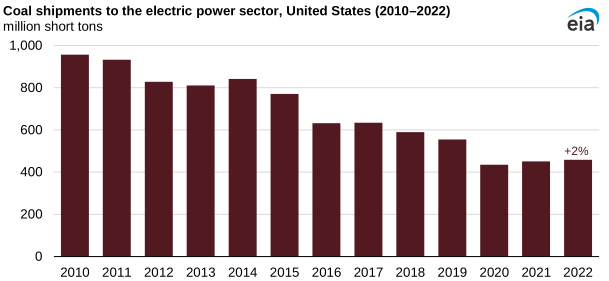
The amount of coal received by power plants in the United States has largely declined over the past decade as coal-fired electricity generation has fallen and many coal-fired power plants have closed. However, slightly more coal was shipped to U.S. power plants in 2022 than in 2021 even though coal-fired generation fell by nearly 8% in 2022. The 8-million-ton increase in coal shipments came as power plants replenished their coal stocks, which had been drawn down in 2021.
Coal-fired plants stockpile coal to ensure they have enough fuel supply on-site; they build up inventory to prepare for periods of greater electricity demand and draw from the stockpile as needed. Most coal is supplied through long-term contracts between utilities and coal producers that specify the amounts of coal to be delivered at set intervals, although some contracts allow flexibility in delivery volumes. Plants also supplement their coal supply with spot purchases of coal as needed.
Coal stockpiles at U.S. power plants declined in 2021 because plants drew from stocks to meet increased electricity demand. In 2021, U.S. coal-fired generation increased for the first time since 2014, driven by growth in electricity demand and a stronger competitive position given rising natural gas prices.
The increased coal burn and large stockpile draws came at a time when limited coal supply made it difficult for some plants to rebuild their stockpiles. As U.S. coal mines ramped up production in 2022, coal shipments increased as plants worked to replenish stockpiles.
In 2022, 459 million short tons of coal were delivered to power plants in the United States. About 70% of that coal was shipped over the extensive U.S. freight rail network. Freight rail is the most effective way to move large volumes of coal over the long distances between mines in remote regions and coal-fired power plants, which are usually located near electricity customers.
The remaining 30% was delivered by other modes of transport. These modes include transport by barge, which serves power plants along the nation’s inland river system, and deliveries by truck and conveyor belt. Deliveries handled by conveyor belt cover short distances, where the mine is near the power plant. Trucks are used as the primary mode or along with other transport modes where access to the mine, dock, or plant may be limited.
You can find more information about coal shipments to power plants in our summary of coal transportation rates and in our interactive coal data browser.
Principal contributor: Elesia Fasching
Tags: generation, coal, electricity, power plants, inventories/stocks