
Memorial Day real gasoline prices highest since 2012, near record levels
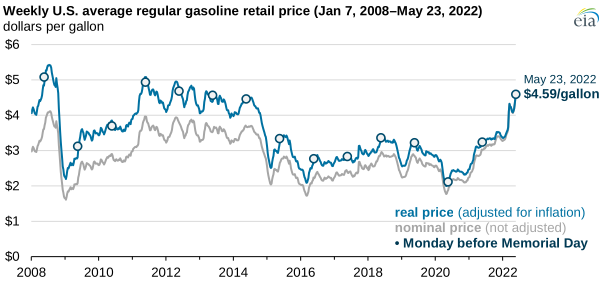
Note: Real prices were calculated using the U.S. Bureau of Labor Statistics Consumer Price Index and based on the methodology described in our Short-Term Energy Outlook Real Prices Viewer.
On May 23, heading into this Memorial Day weekend, the U.S. average retail price of regular gasoline was $4.59 per gallon (gal), the highest inflation-adjusted (real) price since 2012. On a nominal basis, this price is the all-time highest price for gasoline recorded in our weekly Gasoline and Diesel Fuel Update, which dates back to 1990. The high price of gasoline is currently driven by several factors, including the price of crude oil, the effects of Russia’s full-scale invasion of Ukraine, and rising U.S. gasoline demand outpacing refinery runs.
The price of Brent crude oil, the largest component of the gasoline price, has been rising since April of 2020. The rising oil price has been mostly due to global petroleum demand increasing faster than production. Several OPEC member countries have been unable to increase production to meet previously agreed targets. In the United States, relatively low returns (among several other factors) have led to pressure from investors to maintain capital discipline, resulting in production restraint despite high oil prices.
Gasoline demand in the United States is growing faster than gasoline production, which has reduced gasoline inventories. Gasoline demand has increased significantly since April 2020, when it fell 38% below 2019 levels; from March through May 20, 2022, gasoline has averaged only about 6% less than 2019 levels. Total refining capacity has decreased since 2020 because of several refinery closures and conversions. Gross inputs into refineries are only slightly above the five-year average even though refinery utilization is at the top of the five-year range, which indicates that refineries may be running closer to maximum capacity utilization than gross inputs alone would indicate. The faster increase in gasoline demand compared with production has led to inventories draws, and U.S. gasoline inventories are currently 8% below the five-year (2017–21) average for this time of year.
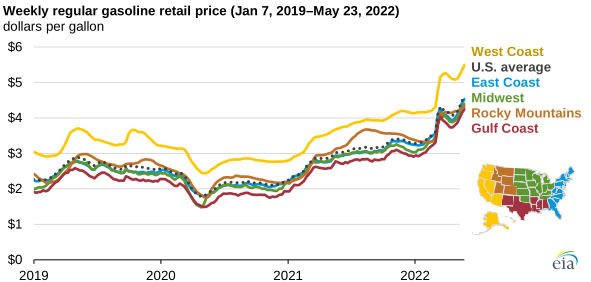
The Gulf Coast has more than half of U.S. refining capacity and produces more gasoline than it consumes. It generally has the lowest retail gasoline prices in the country. West Coast retail gasoline prices are typically the highest in the country because of the region's tight supply and demand balance, isolation from additional supply sources, and gasoline specifications that are more costly to meet.
Retail gasoline prices across the United States were above $4.00/gal heading into the Memorial Day weekend. On May 23, prices on the Gulf Coast were $4.16/gal, the lowest regional price, and prices on the West Coast were $5.36/gal, the highest regional price. AAA forecasts that despite the high gasoline prices, 34.9 million people will travel 50 miles or more from home this Memorial Day, up 5% from 2021 but down 7% from 2019.
Principal contributor: Matthew French
Tags: prices, gasoline, liquid fuels, crude oil, oil/petroleum