
The U.S. exported slightly more petroleum than it imported in the first half of 2021
From December 20 through December 30, Today in Energy will feature some of our favorite articles from 2021. Today’s article was originally published on September 17.
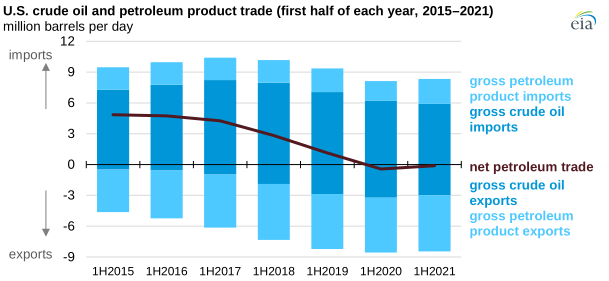
Our Petroleum Supply Monthly trade data show that the United States exported more crude oil and petroleum products than it imported during the first half of 2021 by 120,000 barrels per day (b/d), or less than 1% of combined crude oil and petroleum product exports and imports.
The United States was a net importer of crude oil and petroleum products (imported more than it exported) in the first of half of each year until the first half of 2020, when the United States became a net exporter (exported more than it imported) by 432,000 b/d of crude oil and petroleum products. This year marks only the second time the United States has been a net total petroleum exporter in the first half of the year. The United States has been a net exporter of petroleum products alone since 2011.
The United States exports more refined petroleum products than it does crude oil. Petroleum product exports averaged 5.5 million b/d in the first half of 2021, up from 5.3 million b/d in the first half of last year. Exports of petroleum products include motor gasoline, distillate, and propane exports. Both imports and exports of select petroleum products mainly consumed as transportation fuels—distillate fuel oil, motor gasoline, and jet fuel—altogether decreased in 2020 compared with 2019.
Propane exports increased in response to more demand for propane in Asia and less demand for propane in the United States. Propane now surpasses distillate fuel oil as the most prevalent U.S. petroleum product export by volume. In the first half of 2021, both imports and exports of petroleum products increased above their levels in the first halves of 2020 and 2019.
The United States imports more crude oil than it does petroleum products. The United States was a net importer of 2.9 million b/d of crude oil in the first half of 2021. Net imports of crude oil have decreased in the first half of every year since 2017, primarily reflecting increasing U.S. exports of crude oil since the end of the U.S. crude oil export ban in 2015.
Gross U.S. crude oil exports in the first half of 2021 averaged 3.0 million b/d, down from 3.2 million b/d in the first half of last year. This decrease was the first time exports decreased since the end of the export ban in 2015 and was likely driven by lower crude oil production, which decreased substantially in 2020 because of economic responses to the COVID-19 pandemic. Gross U.S. crude oil imports also fell, decreasing from 6.2 million b/d in the first half of 2020 to 5.9 million b/d in the first half of 2021.
Principal contributors: Kevin Hack, Matt French