
Crude oil and petroleum liquids production in Ecuador hit a 10-year low in 2020
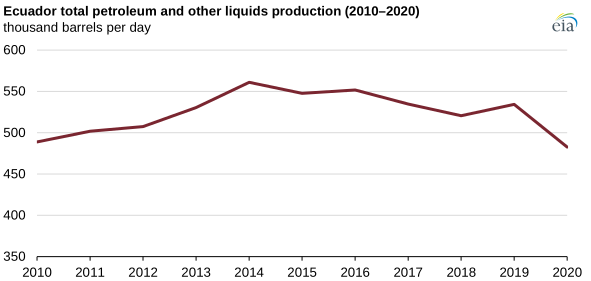
In 2020, Ecuador produced 483,000 barrels per day (b/d) of petroleum and petroleum liquids, which is the only year since 2010 that petroleum production fell below half a million b/d, according to the October update of our Country Analysis Brief for Ecuador. Several factors caused this decline.
In April 2020, a landslide in the Amazon region damaged the state-run Transecuatoriano’s Sistema Oleducto Trans-Ecuatoriano (SOTE) pipeline and the privately owned Oleoducto de Crudos Pesados (OCP) pipeline. The pipeline damage disrupted crude oil production, and our data show a 60% decline in production in Ecuador in April 2020 compared with March 2020. The disruption was not fully resolved until June 2020. Ecuador’s national oil company, Petroecuador, and OCP Ecuador have subsequently built bypasses for these two pipelines to avoid further disruptions in this landslide-prone area.
The COVID-19 global pandemic also contributed to a decline in crude oil production in 2020. COVID-19 containment measures disrupted operations in Ecuador’s oil-rich, remote eastern provinces, and travel restrictions reduced domestic and global demand for refined products.
Resource nationalism and debates about the economic, strategic, and environmental implications of oil sector development are prominent issues in Ecuador's politics. Initiatives to increase the government's share of crude oil revenue have created a challenging investment environment.
In addition, Ecuador has a long history of debt defaults, corruption, and a lack of investment-grade infrastructure projects that meet international standards for transparency and competitiveness. These factors have contributed to near-stagnant oil production over the past decade. In 2020, Ecuador was the fifth-largest oil producer in South America behind Brazil, Colombia, Argentina, and Venezuela.
As of January 2021, Ecuador had 8.3 billion barrels of proved crude oil reserves. Ecuador has the third-most oil reserves in Latin America, after Venezuela and Brazil, according to Oil and Gas Journal.
Principal contributors: Kimberly Peterson, Natalie Kempkey