
LNG exports resume from Sabine Pass and Cameron terminals as another hurricane approaches
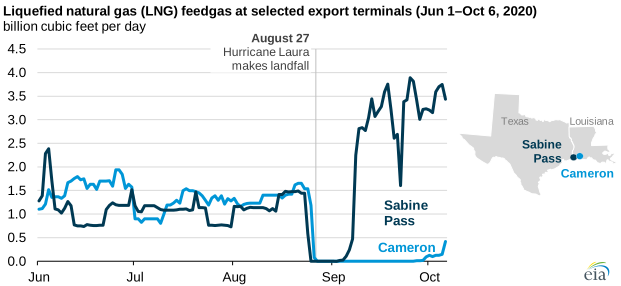
Sabine Pass and Cameron, two liquefied natural gas (LNG) liquefaction and export terminals located in Louisiana, were affected by Hurricane Laura. Exports from Sabine Pass, the largest LNG export facility in the United States, resumed on September 11. However, damage to the electrical and marine infrastructure around the Cameron LNG facility has persisted for several weeks, and the facility shipped its first post-Hurricane Laura cargo on October 5. Currently, Hurricane Delta, a Category 4 storm in the Gulf of Mexico, is expected to make landfall in Louisiana on Friday, October 9. Depending on the path of Hurricane Delta, Cameron and Sabine Pass may take precautionary measures and temporarily suspend operations as they did before Hurricane Laura.
Natural gas deliveries to the Sabine Pass terminal to be liquefied for shipping resumed on September 2, according to Genscape (a Wood Mackenzie business), and the facility shipped its first post-hurricane cargo on September 11, two weeks after the storm. The Sabine Pass terminal, located near the Texas-Louisiana border, is powered by onsite, natural gas-fired electricity generators.
The Cameron LNG terminal, located east of Sabine Pass on Calcasieu Lake, purchases electricity from the local electric utility, Entergy Gulf States Louisiana. Approximately 93,000 customers in southern Louisiana, including the Cameron LNG facility, were left without power after Hurricane Laura made landfall and damaged electricity transmission infrastructure.
According to a press release from Cameron LNG, Entergy restored electric power to Cameron LNG on September 18, and natural gas deliveries to the facility resumed on September 27. However, the Calcasieu Ship Channel, a waterway between the terminal and the Gulf of Mexico, was partially blocked and had to be dredged to accommodate the passage of large vessels, including LNG vessels with a 40-foot draft. The dredging activities are scheduled to be completed by October 10.
The Cameron LNG facility is now testing equipment, and natural gas feedstock deliveries to the terminal have been gradually increasing, averaging 450 million cubic feet per day on October 5. An LNG vessel loaded a cargo from Cameron’s LNG storage tanks on October 4 and departed the facility on October 5, according to shipping data compiled by Bloomberg.
Principal contributors: David Manowitz, Victoria Zaretskaya