
U.S. coal-fired generation declining after brief rise last year
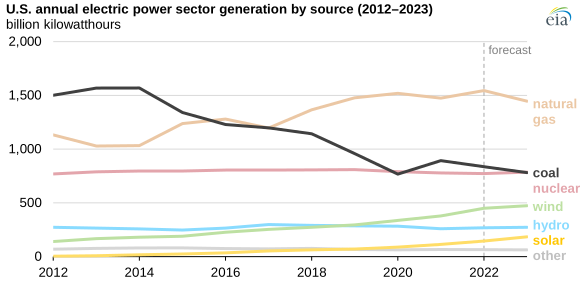
We expect 6% less U.S. coal-fired generation in 2022 than in 2021, according to our latest Short-Term Energy Outlook (STEO). Although coal-fired generation declined each year between 2014 and 2020, it rose 16% in 2021 as a result of increased electricity demand and higher natural gas prices following the pandemic. Despite natural gas prices remaining high, coal-fired generation has continued its previous trend of decline this year as a result of constrained coal supply.
Coal and natural gas are two of the most prevalent sources of power generation in the United States. Natural gas-fired power plants that use modern combined-cycle technology can compete effectively with coal-fired generation because they operate with 30% to 35% greater efficiency. This difference affects relative fuel costs between coal and natural gas and the substitution between the two fuels.
Between 2020 and 2021, the delivered cost of natural gas for power generators nearly doubled while the delivered cost of coal grew by only 3%. The increase in natural gas prices caused the share of total natural gas-fired generation to fall to 37% in 2021 from 39% in 2020. In contrast, coal-fired generation increased in 2021 for the first time since 2014 and averaged 23% of U.S. generation, up from 20% in 2020.
The cost of delivering fuel to coal-fired and natural gas-fired generators depends on a wide variety of factors. Wholesale power prices are generally set by the price of natural gas, and natural gas prices have been volatile throughout most of 2022. Compared with coal-fired generators, costs for natural gas-fired generators are more dynamic. Natural gas is bought mostly in the daily, monthly, and seasonal markets to align fuel needs with power sales, which can be highly uncertain. Costs for coal-fired generators are more static because delivered coal prices are mostly based on long-term contracts and remain relatively steady for longer periods. So far this year, as reported to EIA, the delivered price of natural gas has increased more in percentage terms than the delivered price of coal, but natural gas prices for generators may decrease substantially in the fourth quarter.
Despite higher natural gas prices in 2022, we expect natural gas-fired generation will increase slightly this year, and its share of annual U.S. generation will increase from 37% to 38%. The electric power sector is not moving away from natural gas as we expected previously because coal-fired power plants, which have historically acted as a substitute for natural gas generation, have not been receiving enough coal to meet demand. We expect coal production to increase by less than 2% during 2022, and we expect much of that gain to be exported. We expect that the share of generation provided by coal will return to 20% in 2022, down from 23% last year.
Most coal is delivered to power plants by railroads in the United States, which have encountered a number of disruptions this year. Although U.S. coal inventories have been declining in recent years as coal-fired generators have retired, the limitations on coal deliveries have further constrained generators’ ability to replenish stocks and increase generation. During the first seven months of 2022, coal inventories at power plants averaged 23% lower than in 2021.
Principal contributor: Tyler Hodge
Tags: generation, coal, electricity