
What drives crude oil prices: Balance
U.S. gasoline inventories largely reflect seasonal demand patterns, decreasing during the summer driving season and recovering in the winter, when less driving occurs. U.S. distillate inventories, which includes petroleum products like diesel fuel and heating oil, also exhibit seasonal demand patterns. Distillate inventories typically peak in the summer when distillate demand is lowest. Distillate inventories tend to be lower during other times of the year due to its use as a heating fuel in the northeast in the winter and as a fuel for diesel-powered agricultural equipment during the fall harvest, primarily in the Midwest. In addition, the transportation of goods ahead of the holiday season impacts inventories in the fall. The Northeast and Midwest display more pronounced seasonal patterns because of distillate use for heating and agriculture.
Relationship between inventories and prices
Because inventories can satisfy both current and future demand, their levels are closely tied to the relationship between current product prices and expectations about future product prices. If market expectations indicate a change toward relatively stronger future demand or lower future supply, prices for futures contracts tend to increase. This encourages companies to build inventories to capitalize on the expected higher future prices. Conversely, a sharp loss of current production or an unexpected increase in current consumption can push up spot prices (current prices) relative to futures prices. This encourages inventory drawdowns to meet immediate demand. The futures curve for gasoline, for example, follows the same seasonal trend as gasoline consumption, with prices for summer months being higher, which encourages inventory builds in the transition months between seasons to capitalize on the higher prices and demand in the summer.
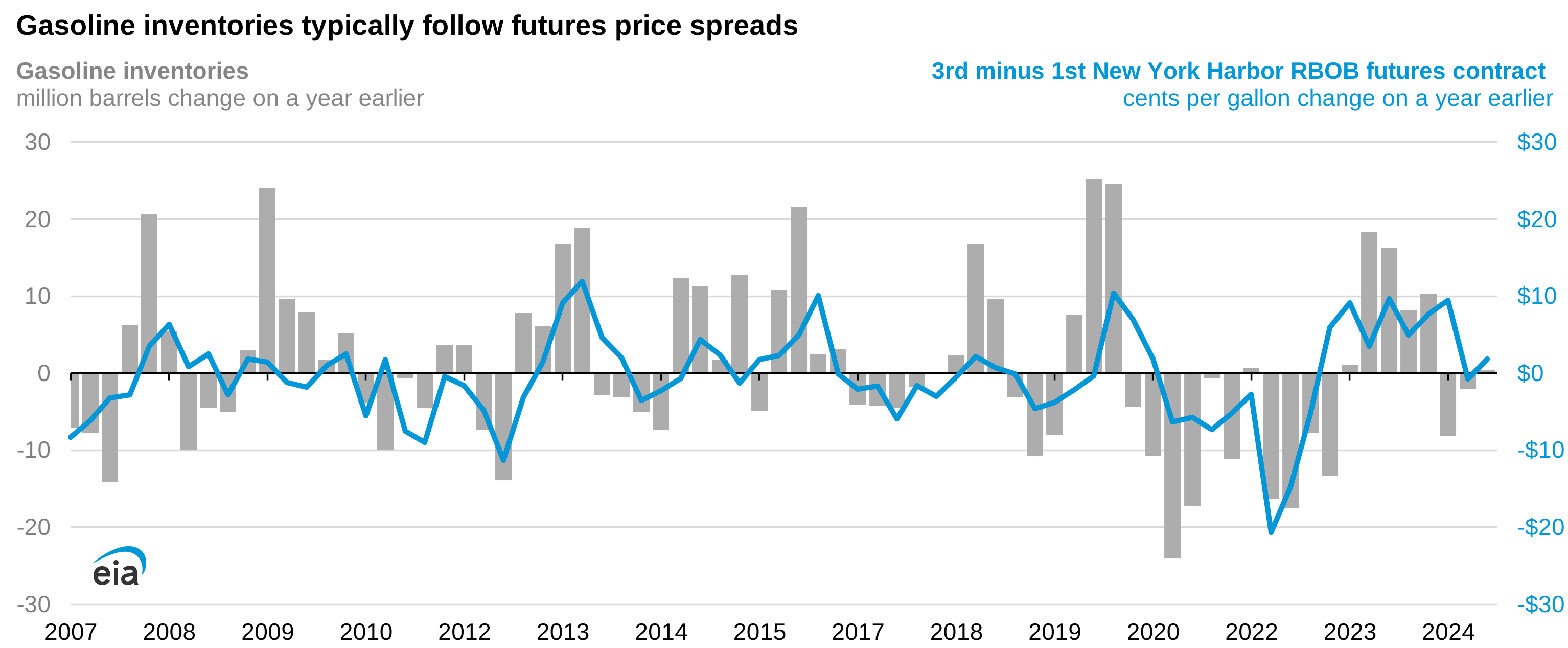
Data source: Bloomberg, L.P., U.S. Energy Information Administration, Short-Term Energy Outlook
Note: RBOB=reformulated blendstock for oxygenate blending
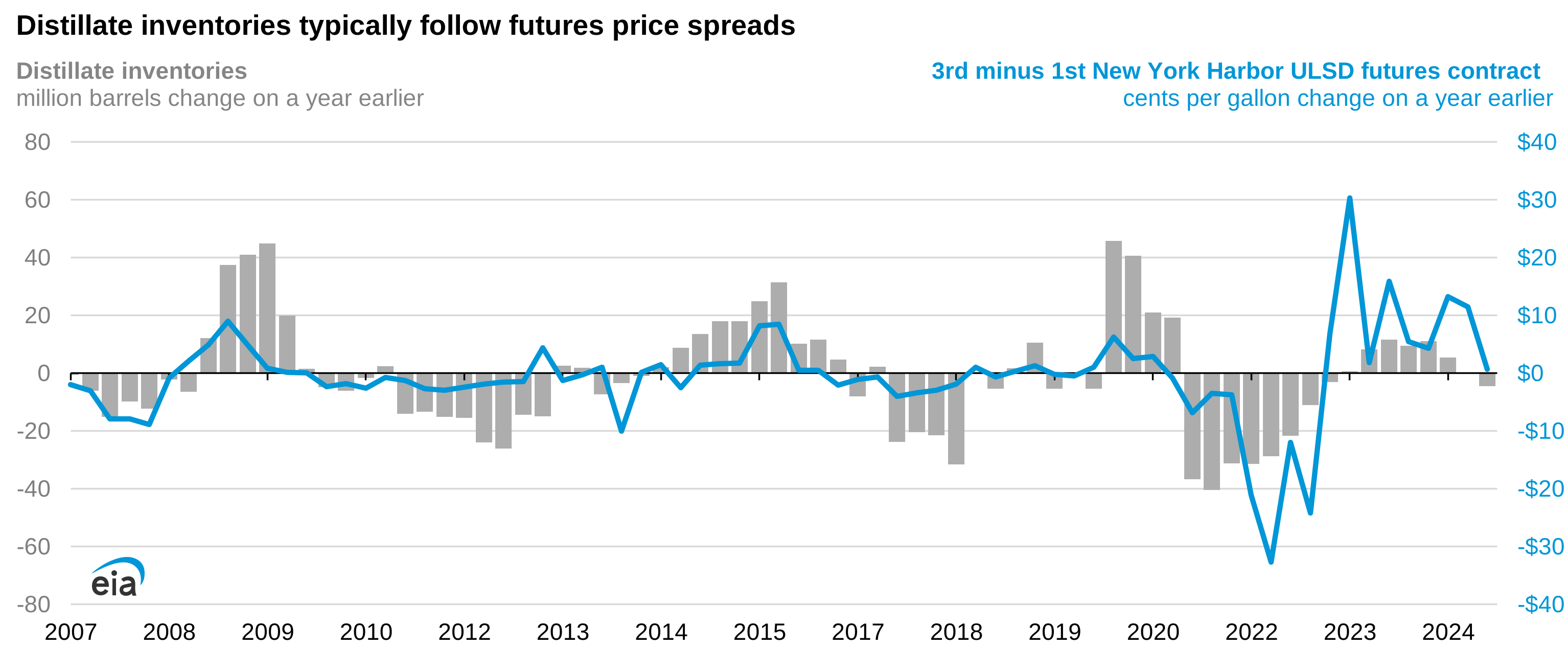
Data source: Bloomberg, L.P., U.S. Energy Information Administration, Short-Term Energy Outlook
Note: ULSD=ultra-low sulfur diesel