
Rapid declines from horizontal wells require more drilling to sustain production
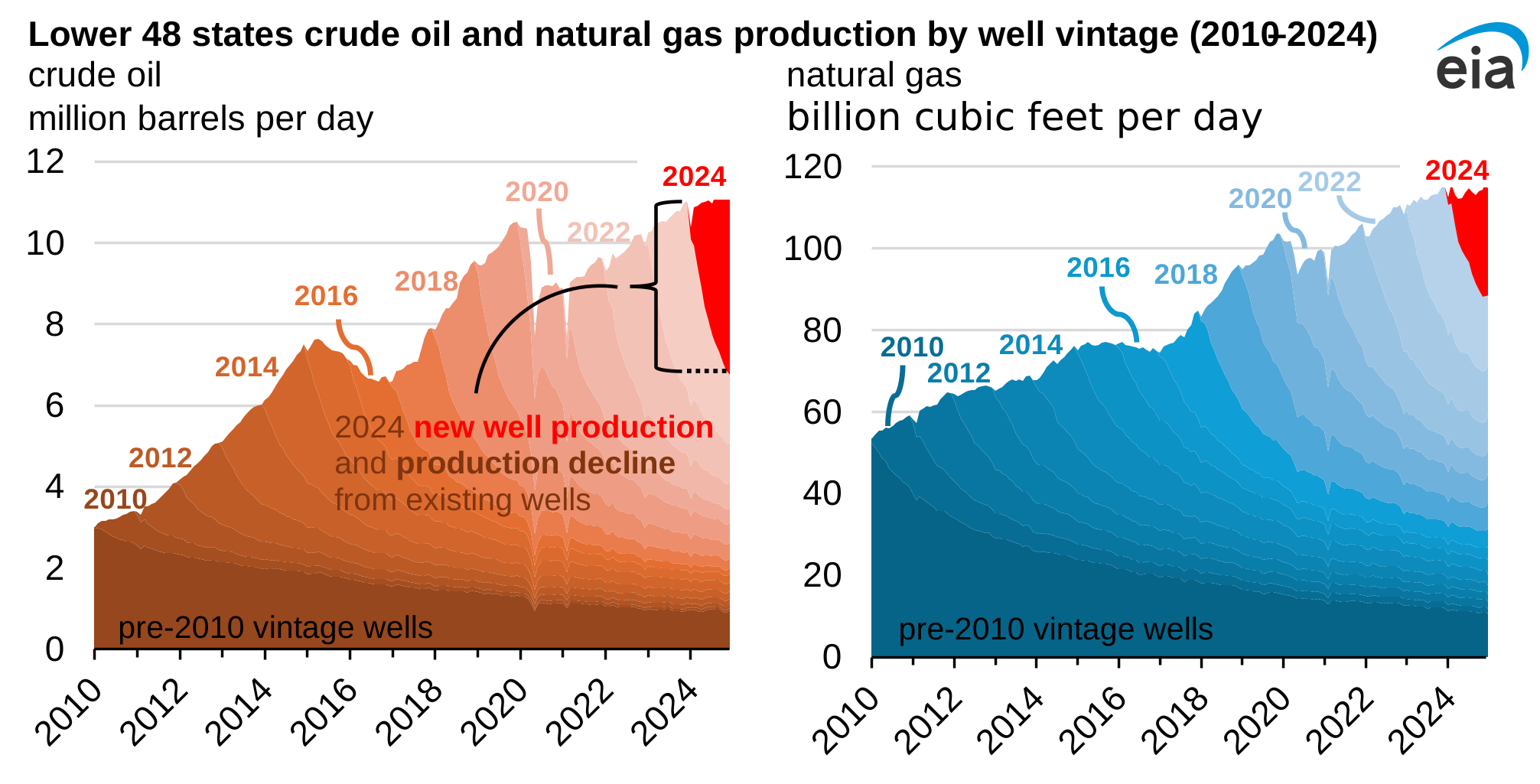
Note: Well vintage is the year a well first begins producing crude oil or natural gas
As U.S. crude oil and natural gas production have increased, so has the volume of production declines from existing wells. To offset the increasing declines, operators today must bring on new wells to sustain or increase production levels.
Between 2010 and 2024, hydrocarbon production from new wells in the Lower 48 states (L48) generally offset and exceeded declining production from existing wells. Because production from oil and natural gas wells declines over time as reservoir pressure decreases, new wells are required to maintain the same production level. The increasing number of horizontal wells has contributed to this trend because horizontal wells exhibit higher decline rates than vertical wells.
Crude oil production
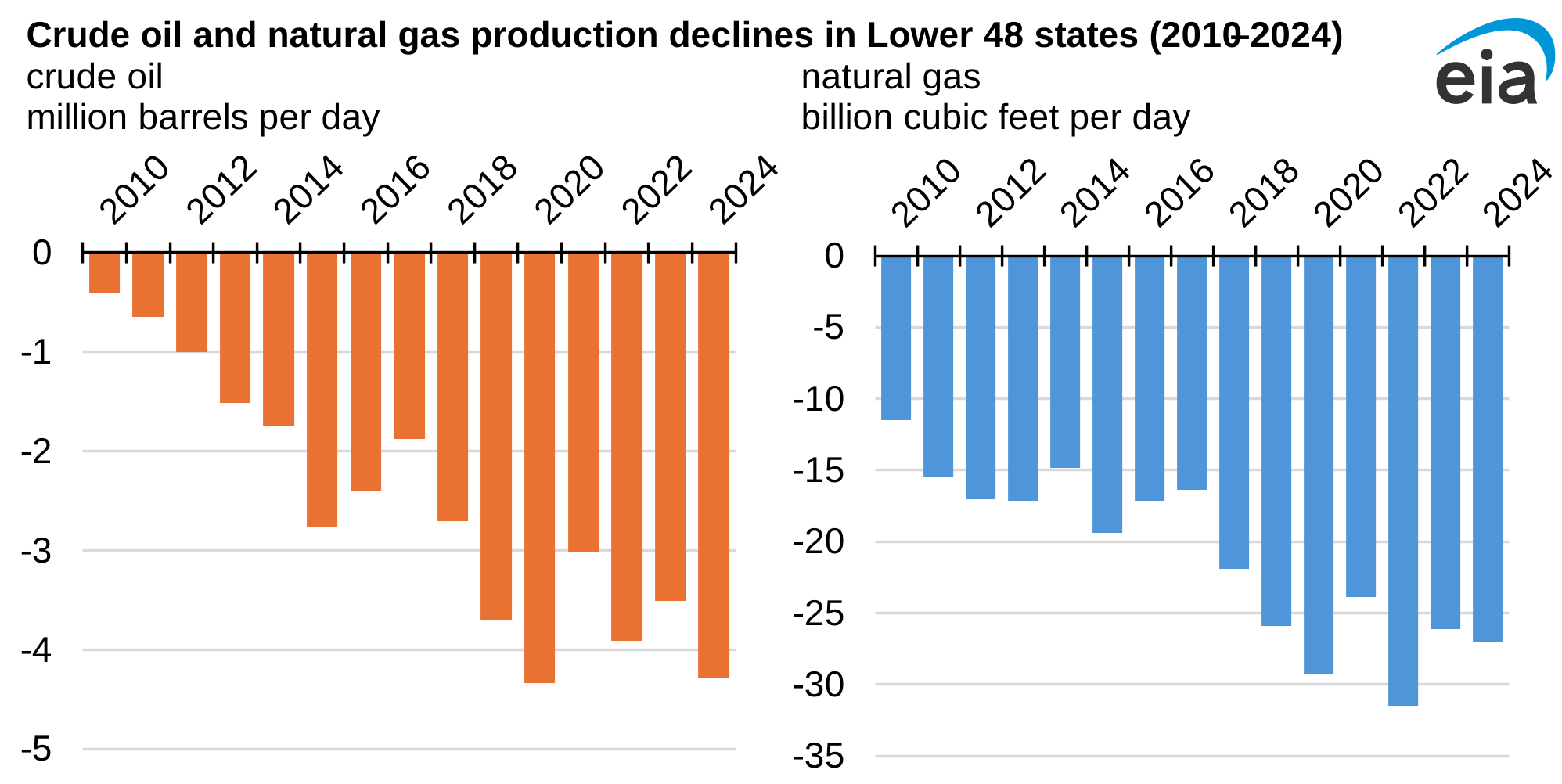
In December 2023, L48 crude oil production averaged 11.0 million barrels per day (b/d). Production from wells that came online in 2023 or earlier fell to 6.7 million b/d in December 2024, a decline of 4.3 million b/d. Those declines were offset by the more than 15,000 new wells that were brought online in 2024—about 11,700 of which were horizontal wells. The new wells produced 4.4 million b/d of crude oil, enough to overcome declines from existing wells, bringing L48 crude oil production to 11.2 million b/d in December 2024.
Natural gas production
Between December 2023 and December 2024, natural gas production from wells that came online in 2023 or earlier fell from 115.4 billion cubic feet per day (Bcf/d) to 88.4 Bcf/d, a decline of 27.0 Bcf/d. New wells offset those declines, producing an average of 28.0 Bcf/d of natural gas in December 2024. L48 production for natural gas increased to 116.5 Bcf/d in December 2024.
Horizontal wells
In the mid-2000s, operators began to drill more horizontal wells, which allow them to recover more oil and natural gas quickly after initial production begins than from vertical wells. In December 2024, horizontal wells produced 94% of oil and 92% of natural gas in the L48 states. However, horizontal wells have a high initial production rate with a steep decline relative to vertical wells.
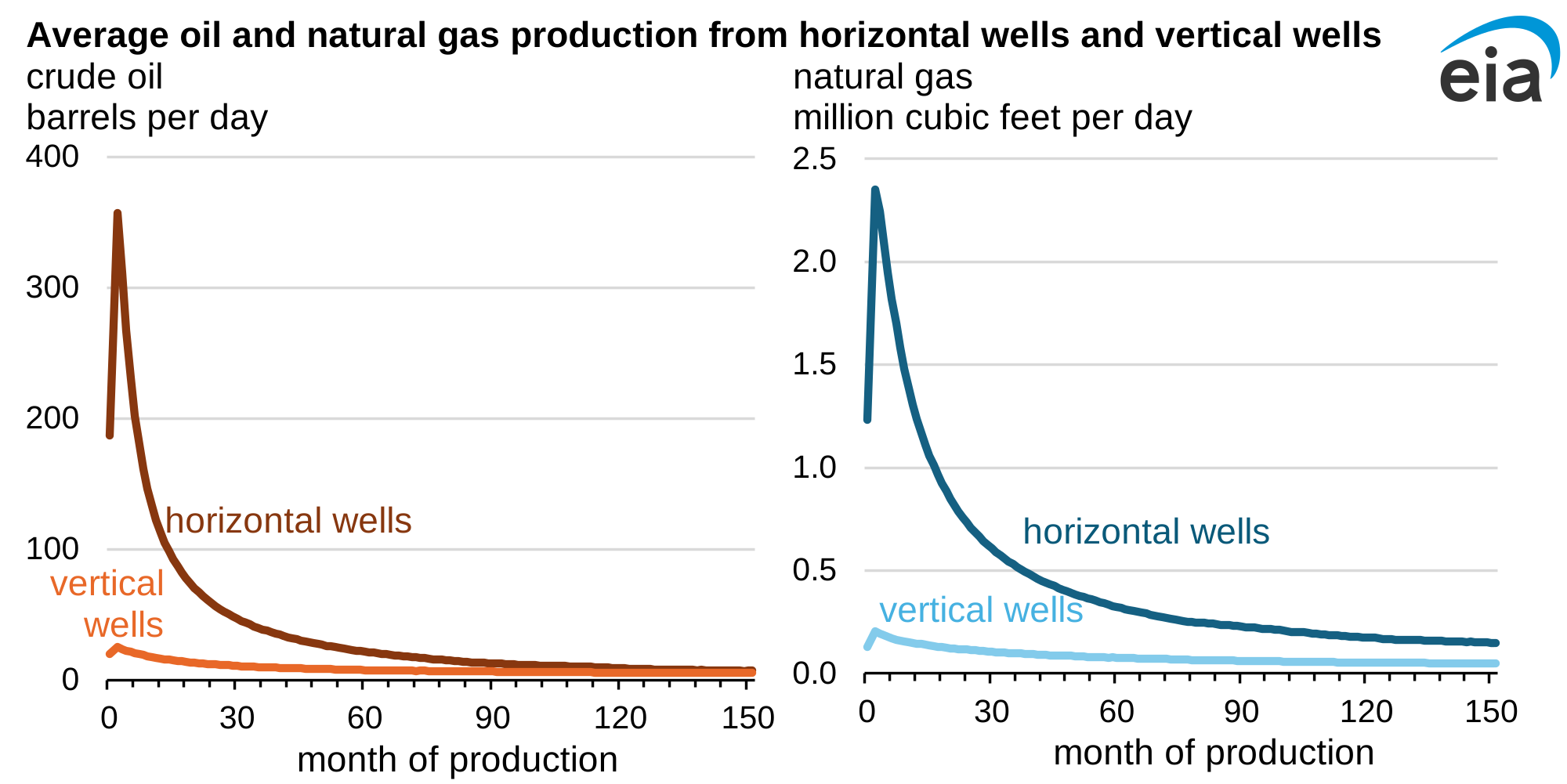
The rapid decline rates in horizontal wells are contributing to the trend described above with large numbers of new wells required to maintain or increase production levels.
Principal contributors: Faouzi Aloulou, Olga Popova, Jozef Lieskovsky