
Coal-fired power plants are well-stocked this year
Data values: U.S. Coal Supply, Consumption, and Inventories
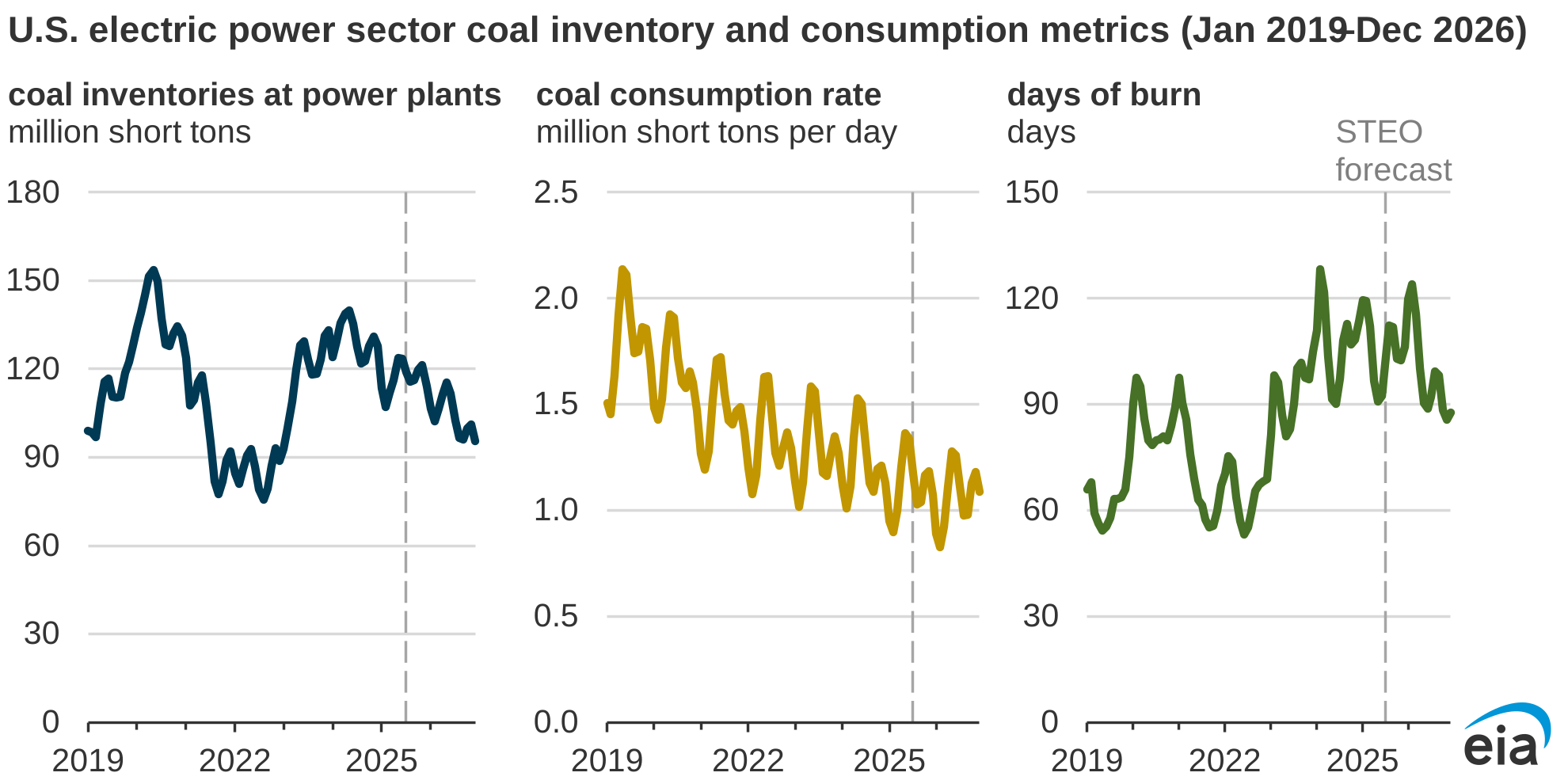
We expect U.S. coal-fired power plants will remain relatively well-stocked through the end of next year in our latest Short-Term Energy Outlook. We estimate power plants in the United States had 124 million short tons of coal on-site at the end of June for them to consume that coal at a rate of about 1.3 million short tons per day, meaning they had about 93 days’ worth of fuel on-site. This metric, also called days of burn, is calculated by dividing coal inventories held at power plants by a seasonal consumption rate. We forecast days of burn will range between about 90 and 120 days between now through the end of 2026, or about a month’s worth of coal more than power plants had on-site between 2019 and 2022.
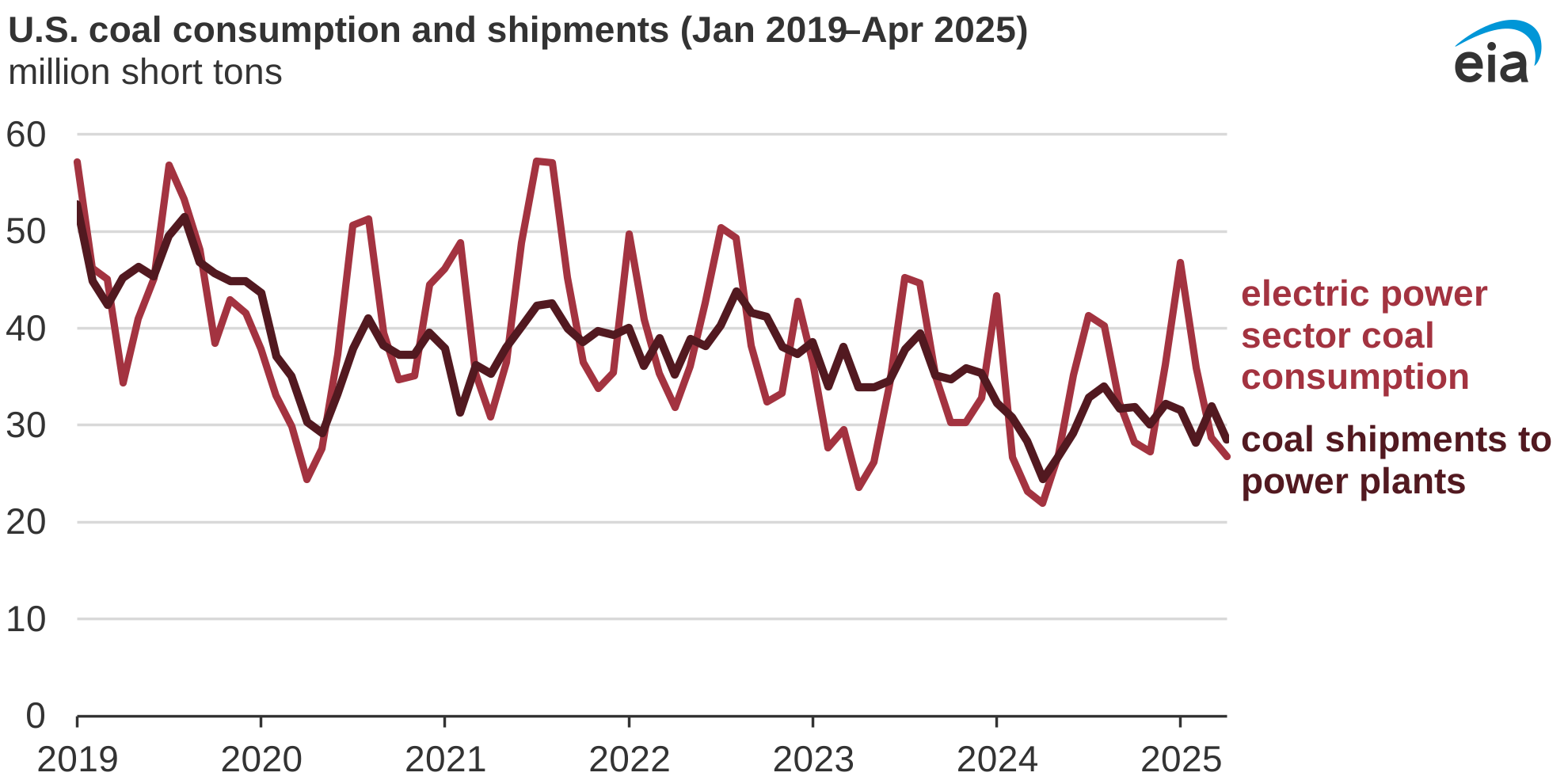
Although coal inventories held at U.S. power plants have fallen since early 2024, coal consumption in the U.S. electric power sector has also fallen since then, so the supply measure of days of burn remains relatively high. Reflecting this supply condition, coal shipments to power plants—many of which occur by rail—have declined in line with coal consumption in the U.S. electric power sector.
Data values: Total consumption and Receipts of fossil fuels by electricity plants
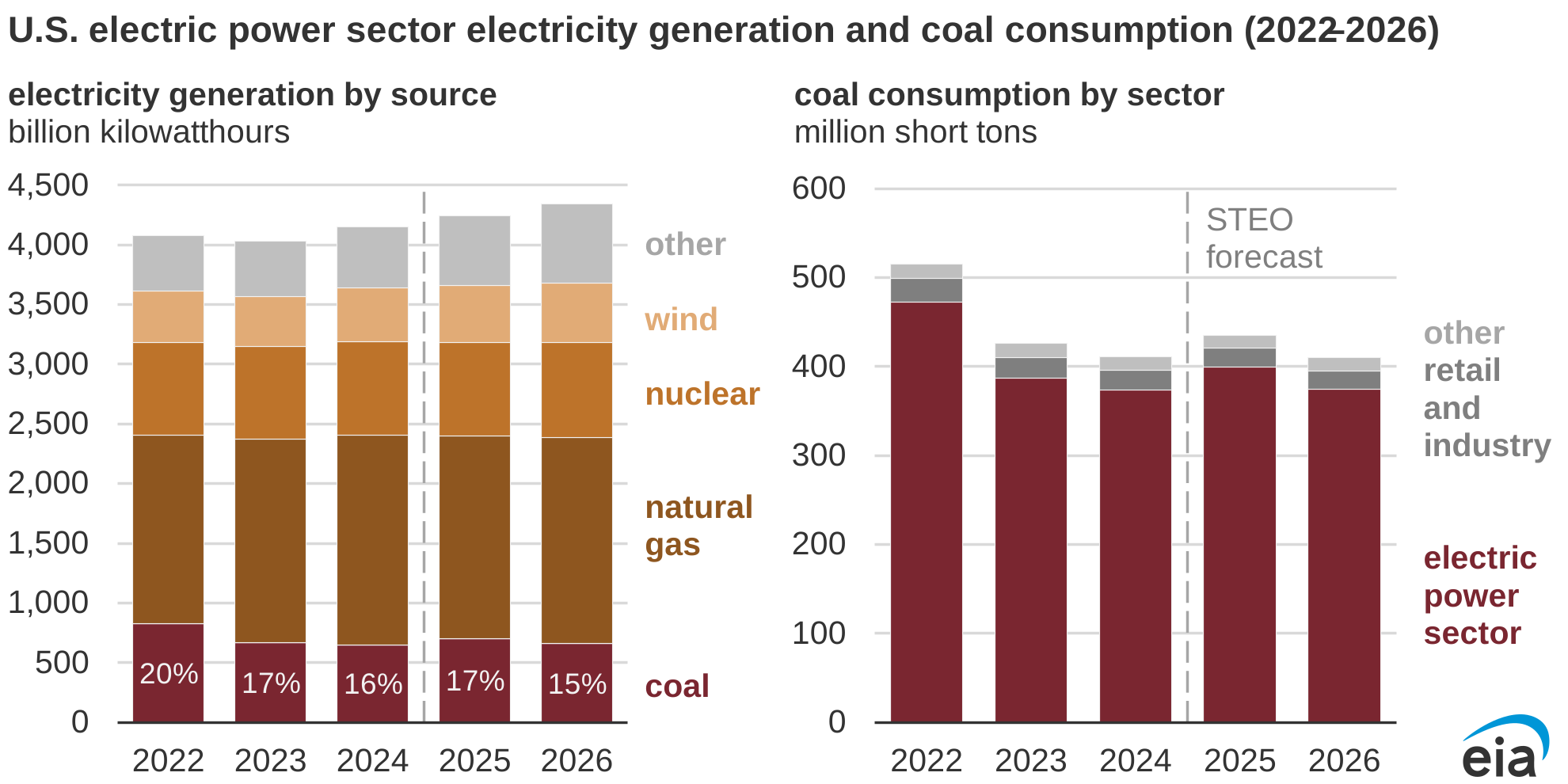
We forecast the long-term decrease in U.S. coal consumption will temporarily reverse in 2025 primarily because of rising electricity demand and coal’s increased competitiveness in the electric power sector, which accounted for more than 90% of U.S. coal consumption in 2024. U.S. natural gas prices last year were at historic lows, and as natural gas prices increased in the first quarter of 2025, coal became more competitive: U.S. coal consumption in the first quarter of 2025 was 18% more than in the first quarter of 2024.
In our short-term forecast, we expect coal’s share of U.S. electricity generation to increase from 16% in 2024 to 17% in 2025 and then decrease to 15% in 2026. Overall electricity generation is increasing to meet growing electricity demand, especially from the commercial and industrial sectors.
Similarly, we forecast a 6% increase in U.S. coal consumption for 2025, followed by a 6% decrease in 2026 with planned coal power plant retirements and increasing renewable capacity coming online.
Data values: U.S. Regional Electricity Generation, Electric Power Sector and U.S. Coal Supply, Consumption, and Inventories
Principal contributor: Jonathan Church