
After more than a decade of little change, U.S. electricity consumption is rising again
Data values: Electricity Overview (history) and U.S. Electricity Industry Overview (forecast)
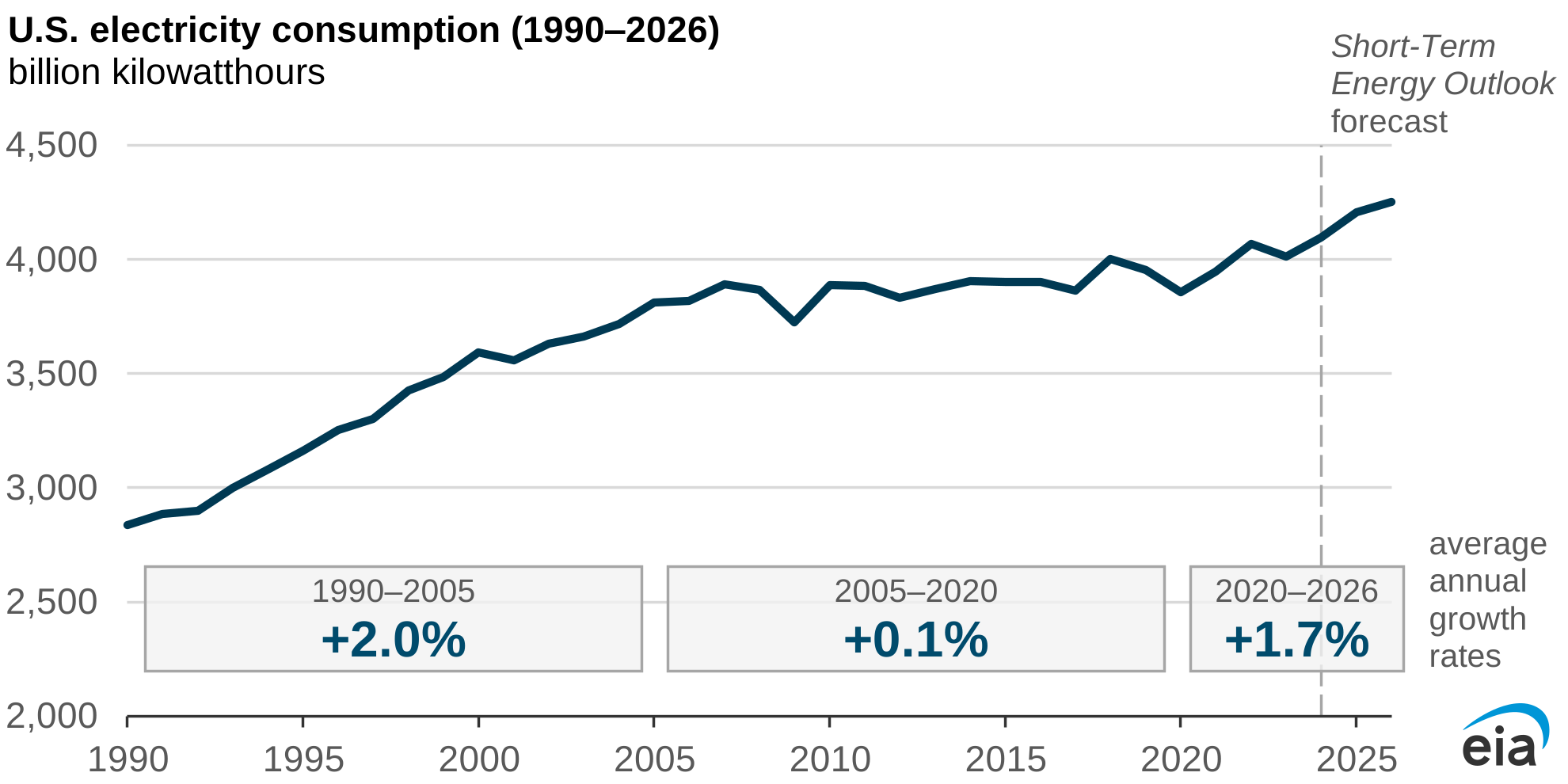
In our latest Short-Term Energy Outlook, we forecast U.S. annual electricity consumption will increase in 2025 and 2026, surpassing the all-time high reached in 2024. This growth contrasts with the trend of relatively flat electricity demand between the mid-2000s and early 2020s. Much of the recent and forecasted growth in electricity consumption is coming from the commercial sector, which includes data centers, and the industrial sector, which includes manufacturing establishments.
U.S. electricity consumption was essentially flat for nearly two decades. Electricity demand increases generally associated with population growth and economic growth were offset by efficiency improvements and other structural changes in the economy, such as the transition from manufacturing to service sectors that tend to consume less energy. Total electricity consumption includes sales to ultimate customers in the residential, commercial, and industrial sectors, and—to a lesser extent—sales to public transportation customers and the direct use of electricity at industrial facilities that produce power.
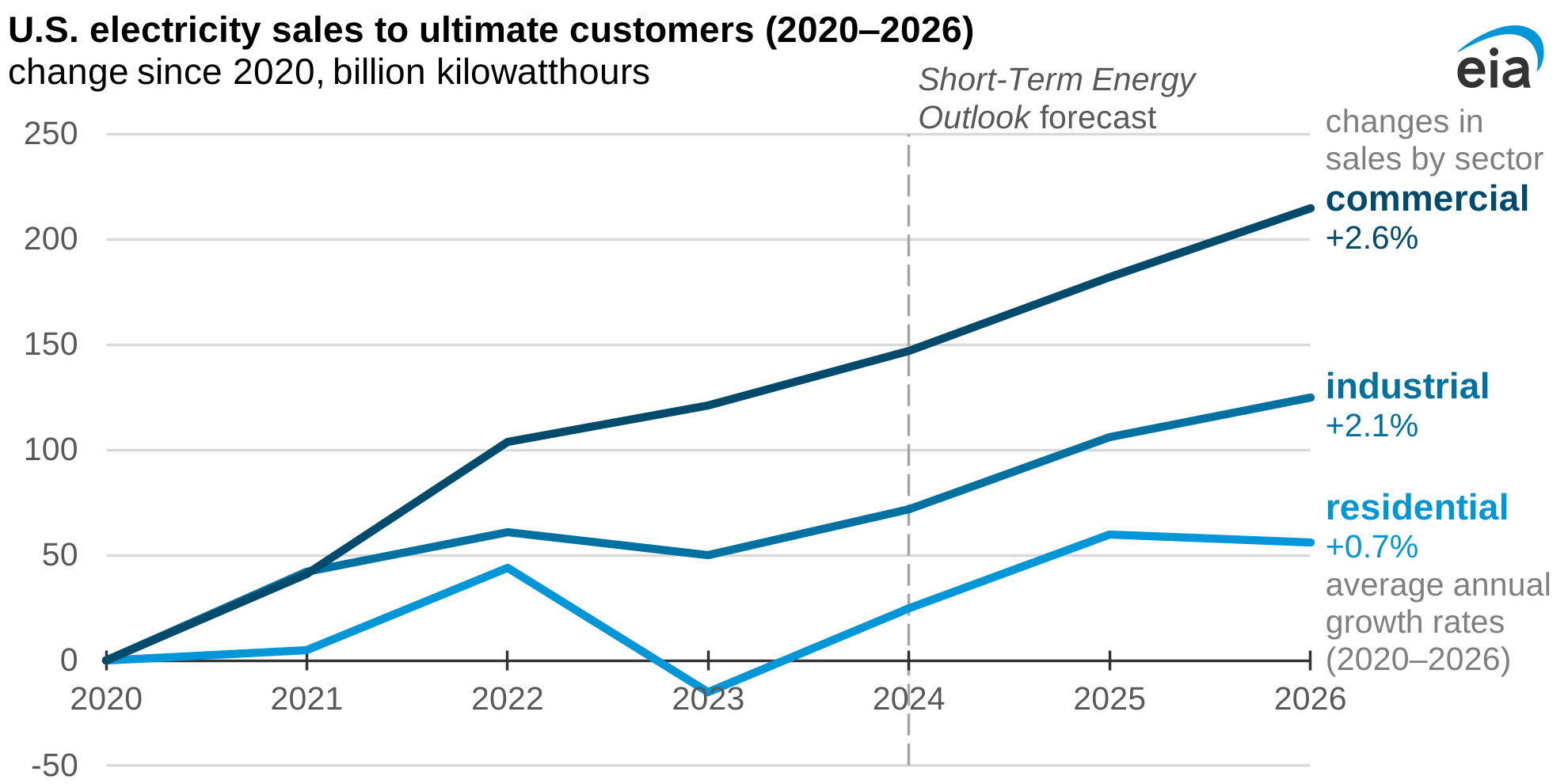
More recently, U.S. electricity consumption has increased since a relative low point in 2020. From 2020 through the end of our short-term forecast in 2026, we expect electricity consumption to grow at an average rate of 1.7% per year. The commercial and industrial sectors grow faster in the forecast, at an average of 2.6% and 2.1% per year, respectively. Forecast electricity sales to the residential sector, which largely depend on year-to-year temperature fluctuations, grow on average 0.7% between 2020 and 2026.
Data values: U.S. Electricity Industry Overview
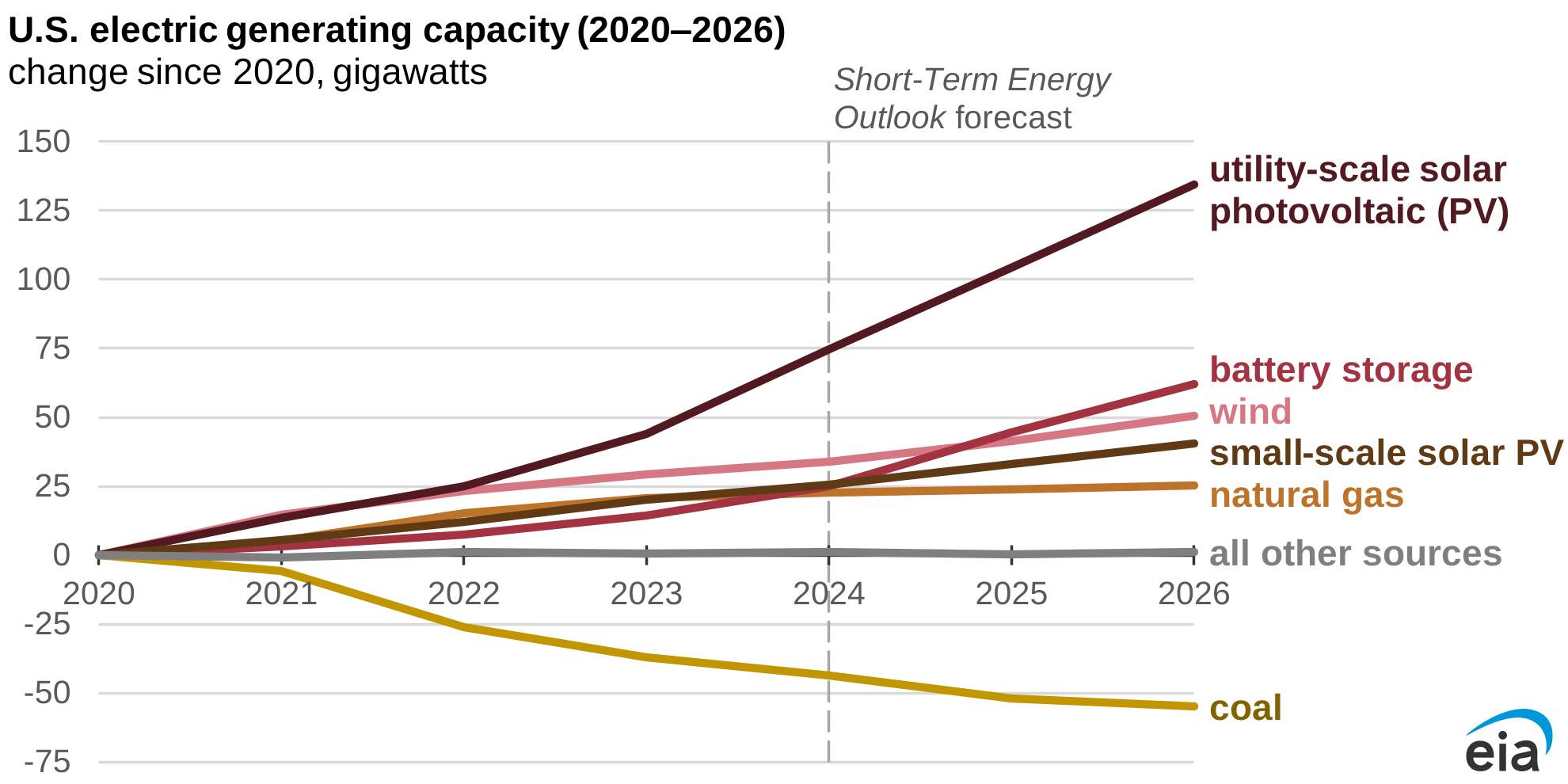
Expected electricity demand growth is spurring expansion in generating capacity and electricity storage. Much of this additional capacity is from solar and battery storage facilities. The new generating capacity is concentrated in Texas, California, the upper Midwest, and the Northeast.
Data values: U.S. Electric Generating Capacity
Electric utilities, grid operators, regulators, and other stakeholders are also committing to energy efficiency and demand response programs, according to analysis conducted by the Federal Energy Regulatory Commission and based on our utility spending data. In addition, utilities are expanding networks of high-voltage transmission lines to maintain system balancing and to ensure reliable electric service.
Principal contributors: Mark Schipper, Tyler Hodge