Menu
Crude oil, gasoline, heating oil, diesel, propane, and other liquids including biofuels and natural gas liquids.
Exploration and reserves, storage, imports and exports, production, prices, sales.
Sales, revenue and prices, power plants, fuel use, stocks, generation, trade, demand & emissions.
Energy use in homes, commercial buildings, manufacturing, and transportation.
Reserves, production, prices, employment and productivity, distribution, stocks, imports and exports.
Includes hydropower, solar, wind, geothermal, biomass and ethanol.
Uranium fuel, nuclear reactors, generation, spent fuel.
Comprehensive data summaries, comparisons, analysis, and projections integrated across all energy sources.
Monthly and yearly energy forecasts, analysis of energy topics, financial analysis, congressional reports.
Financial market analysis and financial data for major energy companies.
Greenhouse gas data, voluntary reporting, electric power plant emissions.
Maps, tools, and resources related to energy disruptions and infrastructure.
State energy information, including overviews, rankings, data, and analyses.
Maps by energy source and topic, includes forecast maps.
International energy information, including overviews, rankings, data, and analyses.
Regional energy information including dashboards, maps, data, and analyses.
Tools to customize searches, view specific data sets, study detailed documentation, and access time-series data.
EIA's free and open data available as API, Excel add-in, bulk files, and widgets
Come test out some of the products still in development and let us know what you think!
EIA's open source code, available on GitHub.
Forms EIA uses to collect energy data including descriptions, links to survey instructions, and additional information.
Sign up for email subscriptions to receive messages about specific EIA products
Subscribe to feeds for updates on EIA products including Today in Energy and What's New.
Short, timely articles with graphics on energy, facts, issues, and trends.
Lesson plans, science fair experiments, field trips, teacher guide, and career corner.
EIA is continuing normal publication schedules and data collection until further notice.
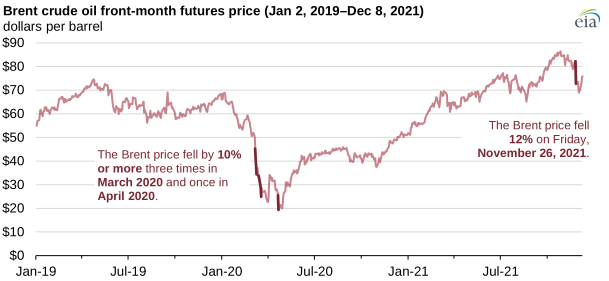
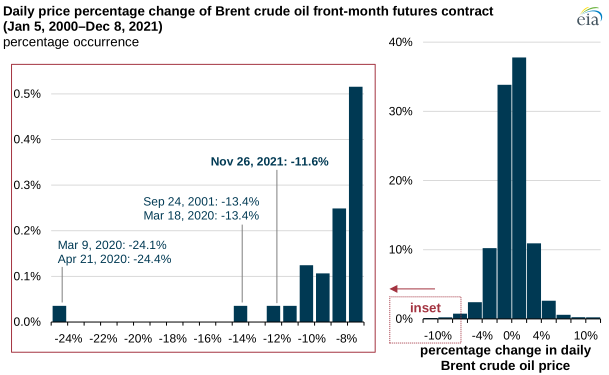
The front-month futures price for Brent crude oil decreased by $9.50 per barrel, or nearly 12%, on November 26 after the World Health Organization designated the SARS-CoV-2 Omicron variant as a variant of concern. Daily Brent crude oil prices have fallen by at least 10% on only 8 days since 2000.
The front-month futures price is the most actively traded futures contract for Brent crude oil on the Intercontinental Exchange. For the Brent crude oil front-month futures contract, daily prices typically change by less than 2%. In the 5,629 trading days since the start of 2000, Brent crude oil prices remained within 2% of the previous day’s value 72% of the time. This year, before the November 26 price drop, the most the Brent crude oil price decreased in a single day was 6.9%, on March 18.
The November 26 price decline likely reflected market expectations of lower global petroleum consumption in the coming months as a result of the Omicron variant, but other factors could have affected price changes on that day. Friday, November 26 was the day after Thanksgiving and near the end of the calendar month, which is when the front-month Brent futures contract expires. Significant news affecting global petroleum markets, announced at a time when market participants close and open several financial positions, may also have contributed to crude oil price volatility on that day.
Principal contributors: Jimmy Troderman, Jeff Barron
Tags: Brent, crude oil, oil/petroleum, liquid fuels, prices