
U.S. natural gas in storage in early November is 3% below the recent average
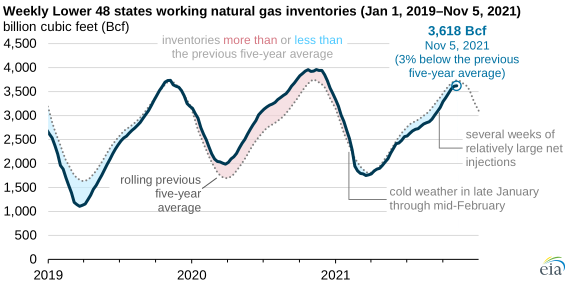
As we enter winter, working natural gas in underground storage facilities in the Lower 48 states measured 3,618 billion cubic feet (Bcf) on November 5, according to our Weekly Natural Gas Storage Report released on November 10. The amount of natural gas in storage has been below its previous five-year average since mid-February of this year. Storage levels approached average in late October and early November, the time of year when inventories are typically at their highest and when natural gas begins to be withdrawn as demand rises with colder weather.
The amount of working natural gas in storage in the Lower 48 states reached its lowest point in 2021 at 1,760 Bcf, or 4% below the previous five-year average, on March 15, following a period of significantly cold weather in late January through mid-February. Less natural gas was in storage than the previous five-year average for every week through the spring and summer because of the low inventory at the beginning of the injection season, relatively high natural gas consumption in the electric power sector, and relatively high volumes of natural gas exports. By mid-September, storage levels were 7% below the five-year average. More recently, eight consecutive weeks of relatively large net injections narrowed the gap with five-year average inventories to 3% as of November 5.
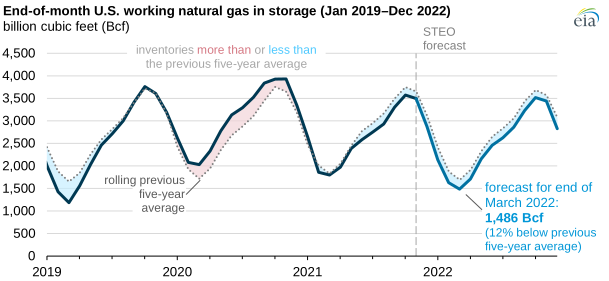
In our latest Short-Term Energy Outlook, we expect less U.S. working natural gas to be in storage than the previous five-year average through the winter, totaling 1,486 Bcf at the end of March 2022. That amount would be 12% less than the previous five-year average for that time of year. This forecast for inventories is very uncertain because it depends both on natural gas demand this winter, especially for space heating in the residential and commercial sectors, and on supply conditions as natural gas producers respond to higher natural gas prices. As we saw last February, cold weather can change this inventory level significantly.
Principal contributor: EIA Staff
Tags: storage, natural gas, inventories/stocks