
Wind is a growing part of the electricity mix in Texas
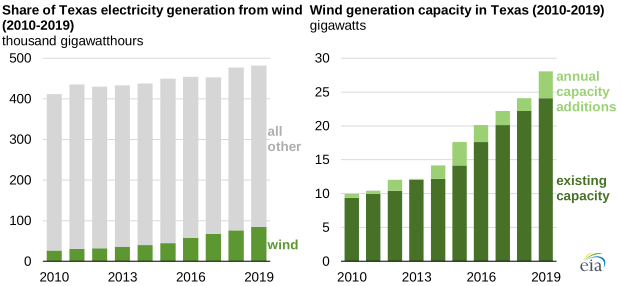
In 2019, wind-powered generation contributed 84.4 thousand gigawatthours (GWh) of electricity in Texas, an 11% increase from the 75.7 thousand GWh generated in 2018. Substantial growth in wind capacity in the state was the primary reason for this increase. Texas wind capacity rose almost 17% in 2019, from 24.1 gigawatts (GW) in 2018 to 28.1 GW in 2019. Wind power accounted for 18% of the electricity generated in Texas in 2019, compared with 6% in 2010.
The U.S. Energy Information Administration’s (EIA) Hourly Electric Grid Monitor provides data on hourly electricity demand and generation from the 64 balancing authorities in the Lower 48 states, including the Electric Reliability Council of Texas (ERCOT), the primary electric grid operator in Texas. On an hourly basis, wind output in ERCOT ranged from as little as 0.2 GW to as much as 21.2 GW in 2020, based on data through the end of September. On June 29, 2020, ERCOT reached an all-time high for hourly wind generation of 21.2 GW.
Wind penetration, expressed as the share of total demand satisfied by wind generation, set a new all-time record for ERCOT in 2020. On the morning of Saturday, May 2, 2020, wind generation contributed 59% of hourly electricity demand. Records for wind penetration are often broken in the spring because of highly seasonal patterns in both electricity demand and wind power output. In Texas, wind generation is usually highest in the windier spring season. The shoulder seasons of spring and fall are when electricity demand is relatively low because mild temperatures mean less electricity is used to heat or cool homes and businesses.
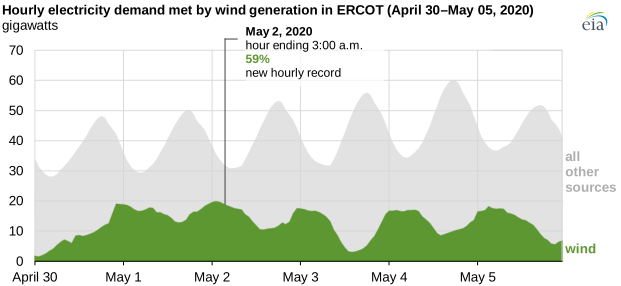
Note: ERCOT=Electric Reliability Council of Texas.
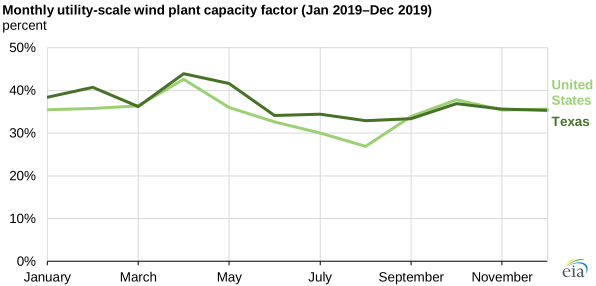
On a monthly basis, Texas wind power generation in 2019 ranged from a low of 6.3 thousand GWh in June to a high of 7.9 thousand GWh in April. In April 2019, wind generators in Texas ran at an overall 44% capacity factor (the utilization rate of total generating capacity). Monthly wind capacity factors in Texas are slightly higher and less variable than in the United States as a whole.
With 28.1 GW of installed wind capacity in 2019, Texas had more wind capacity than any other U.S. state. If Texas were a country, it would have had the fifth-highest installed wind capacity in the world. EIA expects wind capacity to continue growing in Texas as power producers take advantage of the state’s abundant wind resources, continuing cost declines for wind turbines, and tax incentives. Based on information about planned utility-scale wind capacity additions reported on Form EIA-860M, Preliminary Monthly Electric Generator Inventory, EIA expects 5.0 GW of new wind capacity will come online in Texas in 2020 and 3.6 GW in 2021.
Principal contributors: Fred Mayes, Elesia Fasching
Tags: generation, electricity, wind, Texas, states