
Nuclear reactor restart in Japan will likely displace natural gas electricity generation
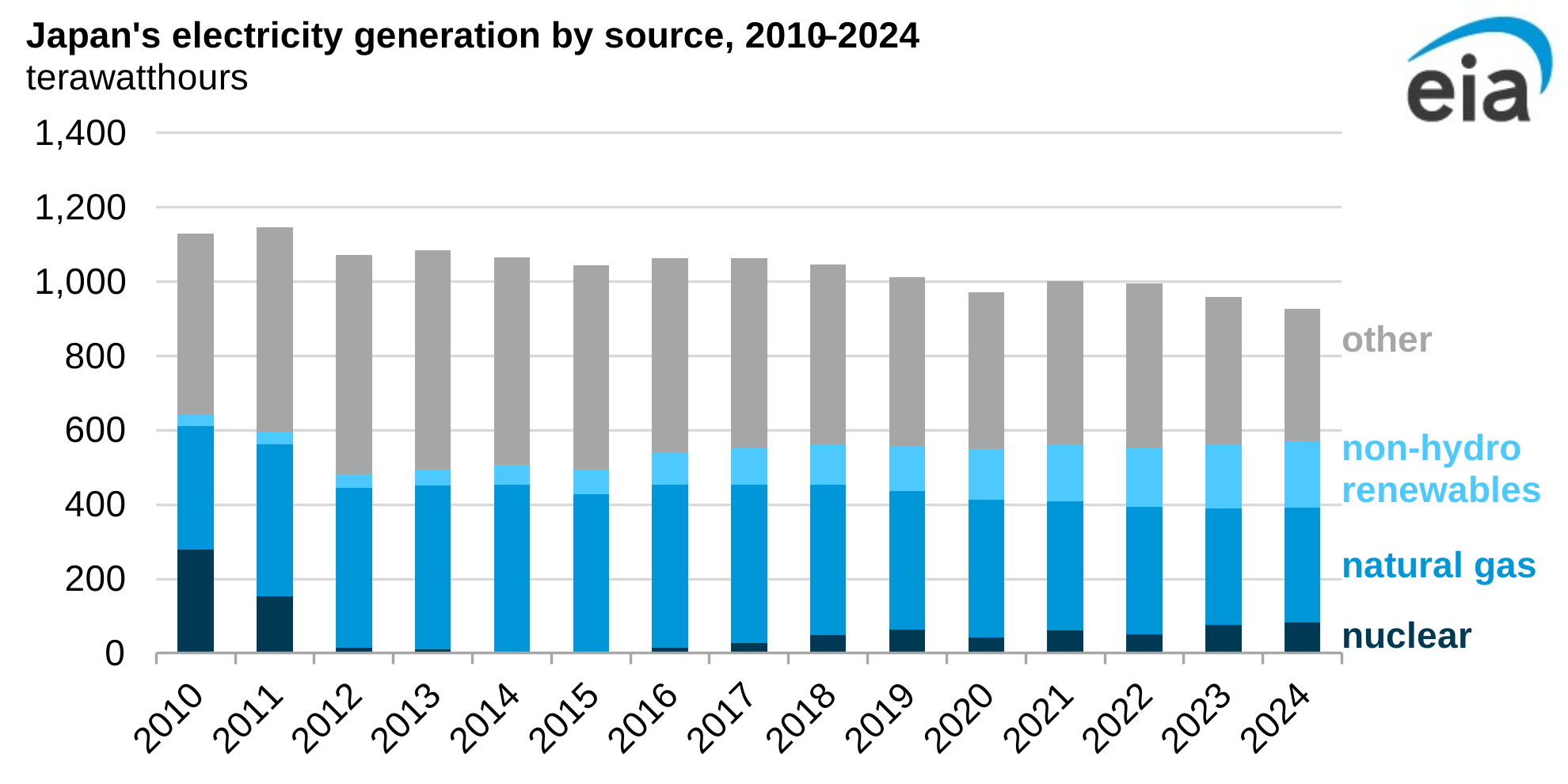
On February 9, 2026, Japan restarted Unit 6 of its largest nuclear power plant, the Kashiwazaki-Kariwa Nuclear Power Station in Niigata Prefecture, which was shut down following the 2011 Fukushima tsunami and nuclear accident. As the reactor returns to full operations, the resulting increase in nuclear generation is likely to displace generation from fossil sources, mainly natural gas, which accounted for 33% of all Japan’s electricity generation in 2024.
Kashiwazaki-Kariwa Unit 6, with 1,356 megawatts (MW) of installed capacity, could displace approximately 1.3 million tons of liquefied natural gas (LNG), or 62 billion cubic feet (Bcf) of natural gas imports annually, based on Japanese government estimates of fuel substitution.
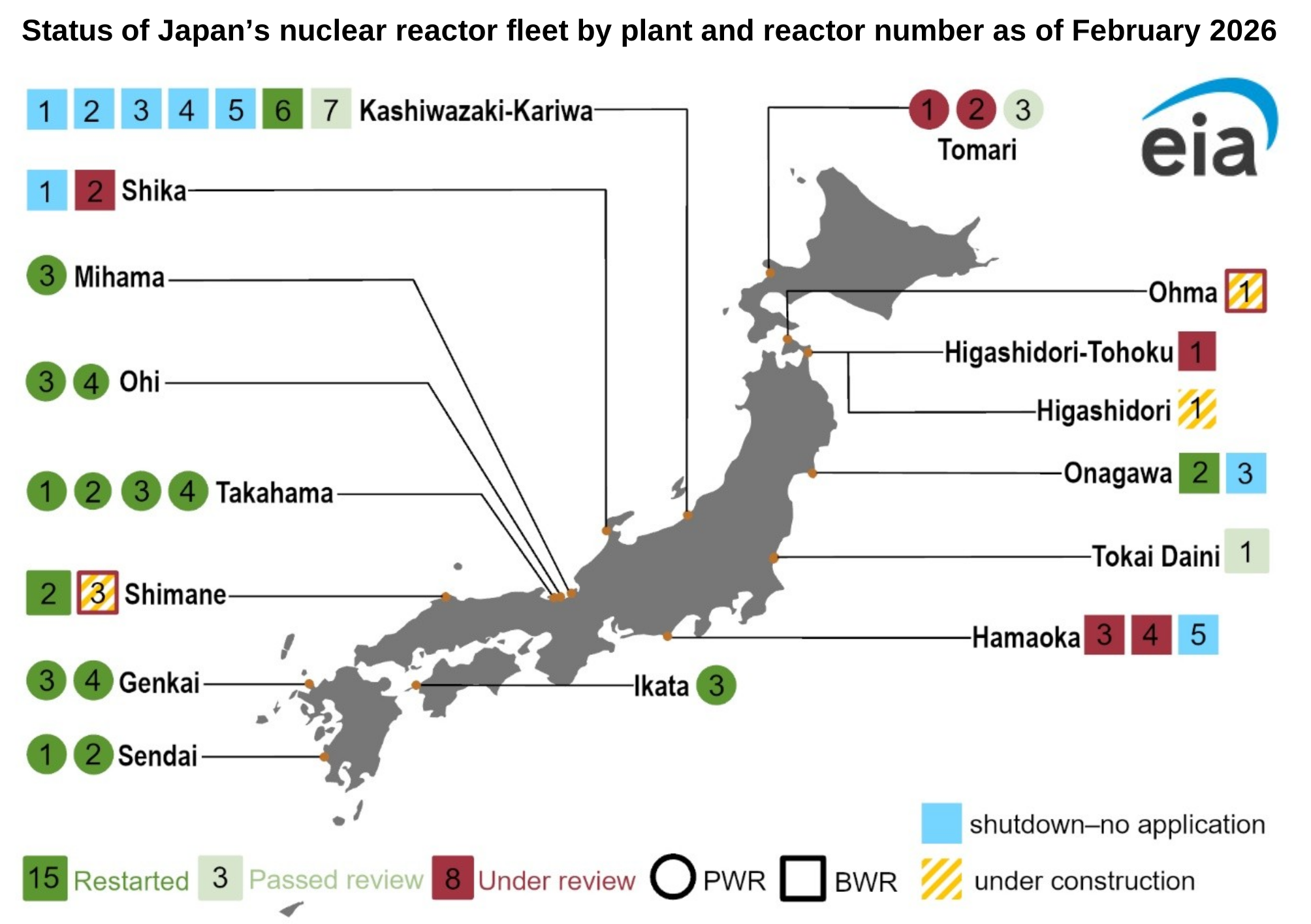
With the restart, Japan now has 15 operating nuclear reactors, with a combined electricity generation capacity of 33 gigawatts (GW). In 2024, Japan’s operating nuclear fleet generated 83 terawatthours of electricity, or 9% of all electricity generated in Japan that year. Kashiwazaki-Kariwa Unit 6 is Tokyo Electric Power Company’s (TEPCO) first reactor to resume operations after all were shut down for mandatory safety inspections and safety upgrades following the 2011 tsunami and nuclear accident. We estimate that Unit 6 will produce 9,500 gigawatthours of electricity annually once fully operating, likely around mid-March. TEPCO has delayed the restart of Kashiwazaki-Kariwa Unit 7 (1,356 MW) until 2029–2030.
Note: PWR=pressurized water reactor, BWR=boiling water reactor
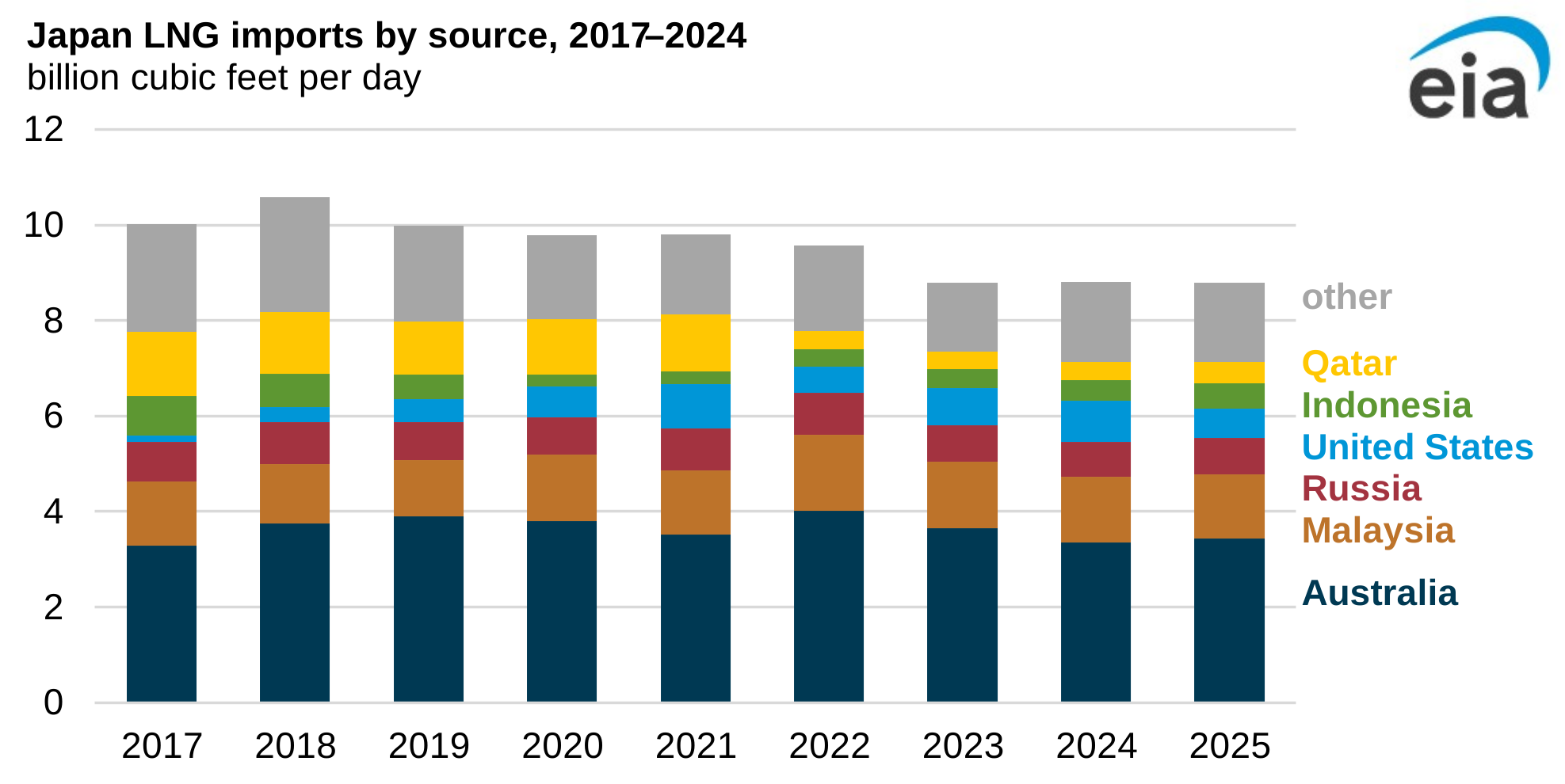
Generation from natural gas has decreased every year since 2017 as nuclear reactors have slowly restarted and renewable generation, mainly solar, has increased. Imports of LNG have declined as demand for natural gas has decreased, with Japanese companies importing 9 billion cubic feet per day (Bcf/d) in 2025, compared to 11 Bcf/d in 2018. Although total volumes of LNG imports have decreased, Japan still imports large volumes of natural gas. In 2025, Japan imported the second most volume of LNG after China. Japan relies on LNG imports to meet all of its domestic natural gas demand, most of which is used to generate electricity.
Note: LNG=liquefied natural gas
Australia, Malaysia, Russia, and the United States were the top four suppliers of LNG to Japan from 2022 through 2025. LNG imports from Australia increased to 3.4 Bcf/d last year, accounting for 39% of total imports. In contrast, LNG imports from the United States decreased from 0.9 Bcf/d in 2024 to 0.6 Bcf/d in 2025, falling to 7% of total imports.
Under Japan’s long-term energy policy, nuclear power is expected to account for approximately 20% of total electricity generation by fiscal year 2040, which would require up to 30 reactors in operation. Out of the remaining fleet of 32 operable reactors, 15 are currently operating, 3 have received initial approval from Japan’s Nuclear Regulation Authority, 6 are under review, and 8 have not filed a restart application.
Principal contributors: Slade Johnson, Jonathan Russo