
Electric power sector has driven rising Pennsylvania natural gas consumption since 2013

Natural gas-fired electric power generation has increased in Pennsylvania since 2013 as the state has shifted toward natural gas as its main fuel source for electric power generation. In October 2024, natural gas-fired generation accounted for 57% of the electricity generated in Pennsylvania, more than twice the share in October 2013 (26%). Over the past decade, natural gas has become the primary fuel source for electricity generation in the state, surpassing coal-fired generation in 2016 on an annual basis and nuclear-powered generation in 2019. Natural gas-fired generation reached an all-time monthly peak in Pennsylvania of 15.3 million megawatthours (MWh) in July 2024, as hourly electricity demand peaked across multiple regions of the Lower 48 states due to widespread heatwaves.
From 2013 to 2023, fuel consumption for electricity generation in Pennsylvania shifted from mostly coal to natural gas. Pennsylvania sits on top of the Marcellus shale play within the Appalachian Basin where dry natural gas production has more than doubled in the past decade. Dry natural gas production in Pennsylvania increased from 8.9 billion cubic feet per day (Bcf/d) in 2013 to 20.8 Bcf/d in 2023, as the cost of natural gas fell compared with other energy sources. In addition, power generators in the state made investments in new technologies that increased the efficiency of natural gas as a source of power generation such as combined-cycle gas turbines, which use heat from natural gas turbines to run steam turbines to generate power from both.
More power is now generated in Pennsylvania than is consumed, prompting generators to send surplus electricity to other states. In 2023, power companies in Pennsylvania sent more electricity outside state borders than companies in any other state in the country, moving 83.4 million MWh to neighboring states.
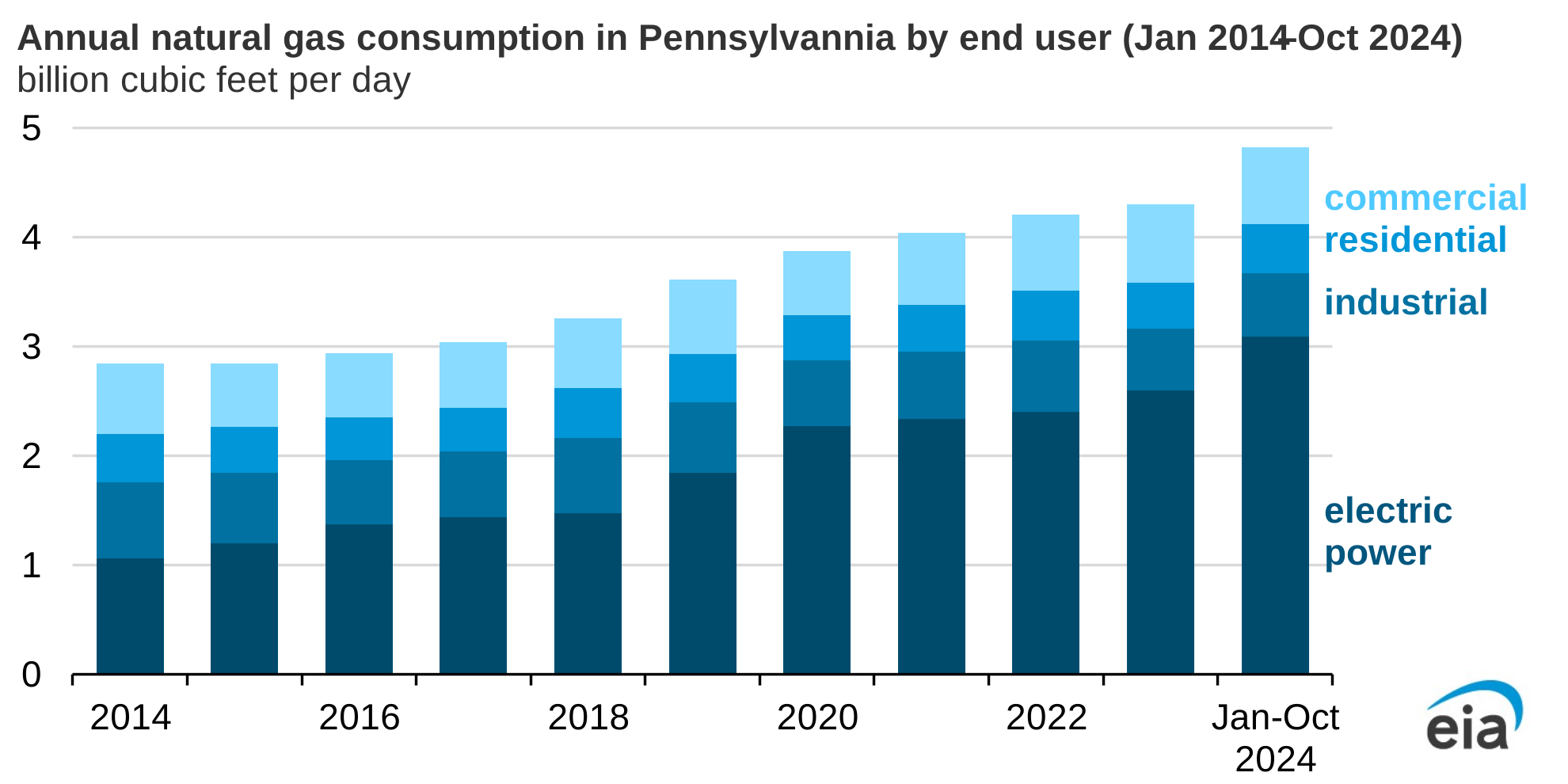
Rising natural gas consumption in the electric power sector was the primary driver of increased use in Pennsylvania over the past decade. In 2013, natural gas consumption for power generation averaged 1.0 Bcf/d. Natural gas use in the electric power sector more than doubled since then, reaching 2.6 Bcf/d in 2023, while use in the residential, commercial, and industrial sectors remained relatively stable. Total natural gas delivered to all consumers in Pennsylvania averaged 4.8 Bcf/d in 2024 through October, up from 2.6 Bcf/d during all of 2013.
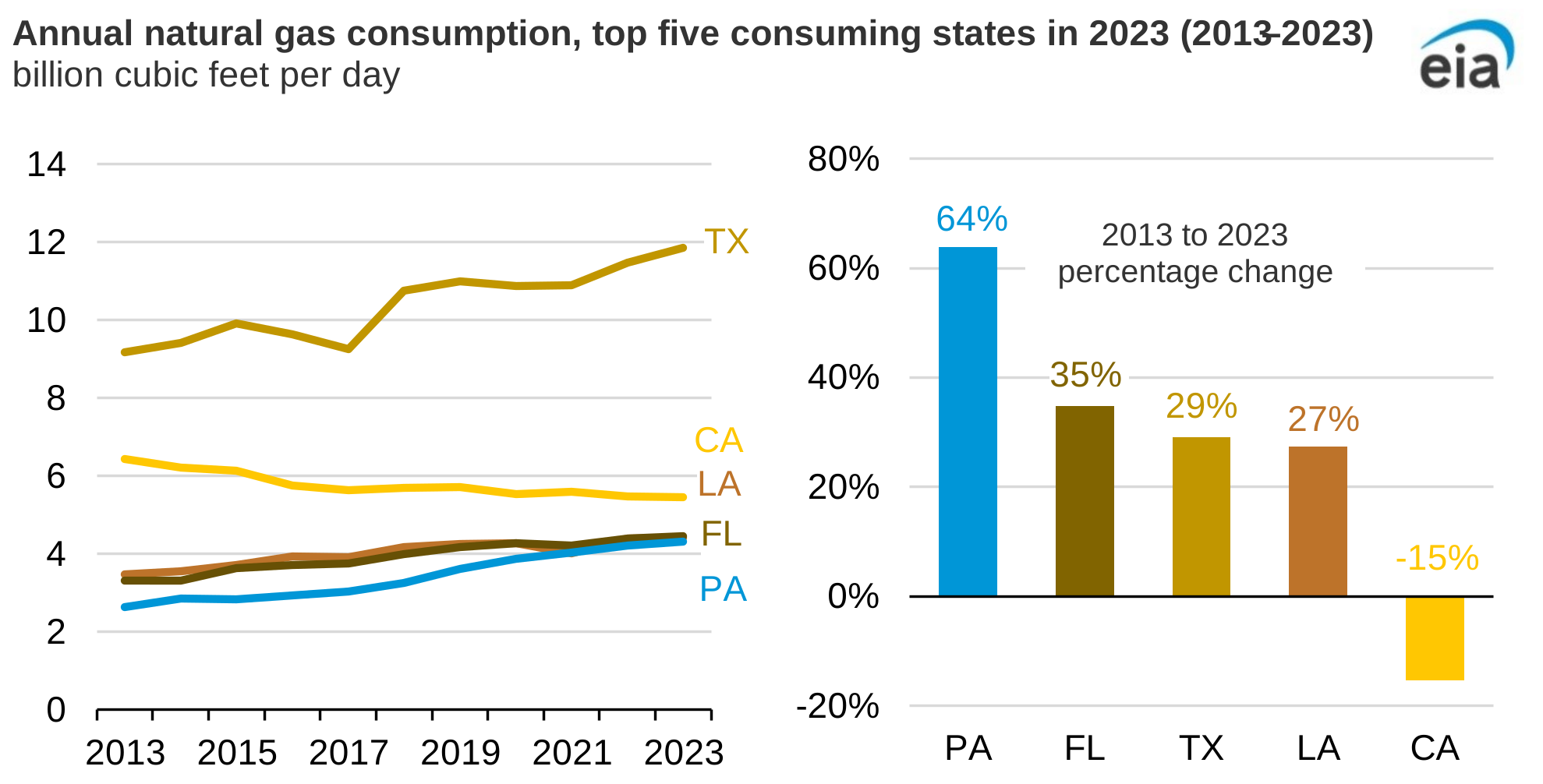
Note: PA=Pennsylvania, FL=Florida, TX=Texas, LA=Louisiana, CA=California
Between 2013 and 2023, natural gas consumption in Pennsylvania increased by 64% (1.7 Bcf/d), the largest percentage increase among the top five natural gas consuming states in the United States in 2023. In 2013, Pennsylvania ranked as the seventh-largest consuming state of natural gas in the United States, behind Illinois, Florida, New York, Louisiana, California, and Texas; in 2019, Pennsylvania ranked as the fifth-largest consuming state and has remained at that rank since then. From 2013 to 2023, natural gas consumption increased in all of the top five consuming states except California, where natural gas as a share of power generation has decreased by 15% since 2013 as the state has increased its share of renewables in its electricity generation mix.
Principal contributors: Grace Wheaton, Andrew Iraola