
Improving well productivity helps U.S. oil companies increase production at a lower cost
Updated December 12, 2024 to correct units of measure in the third chart.
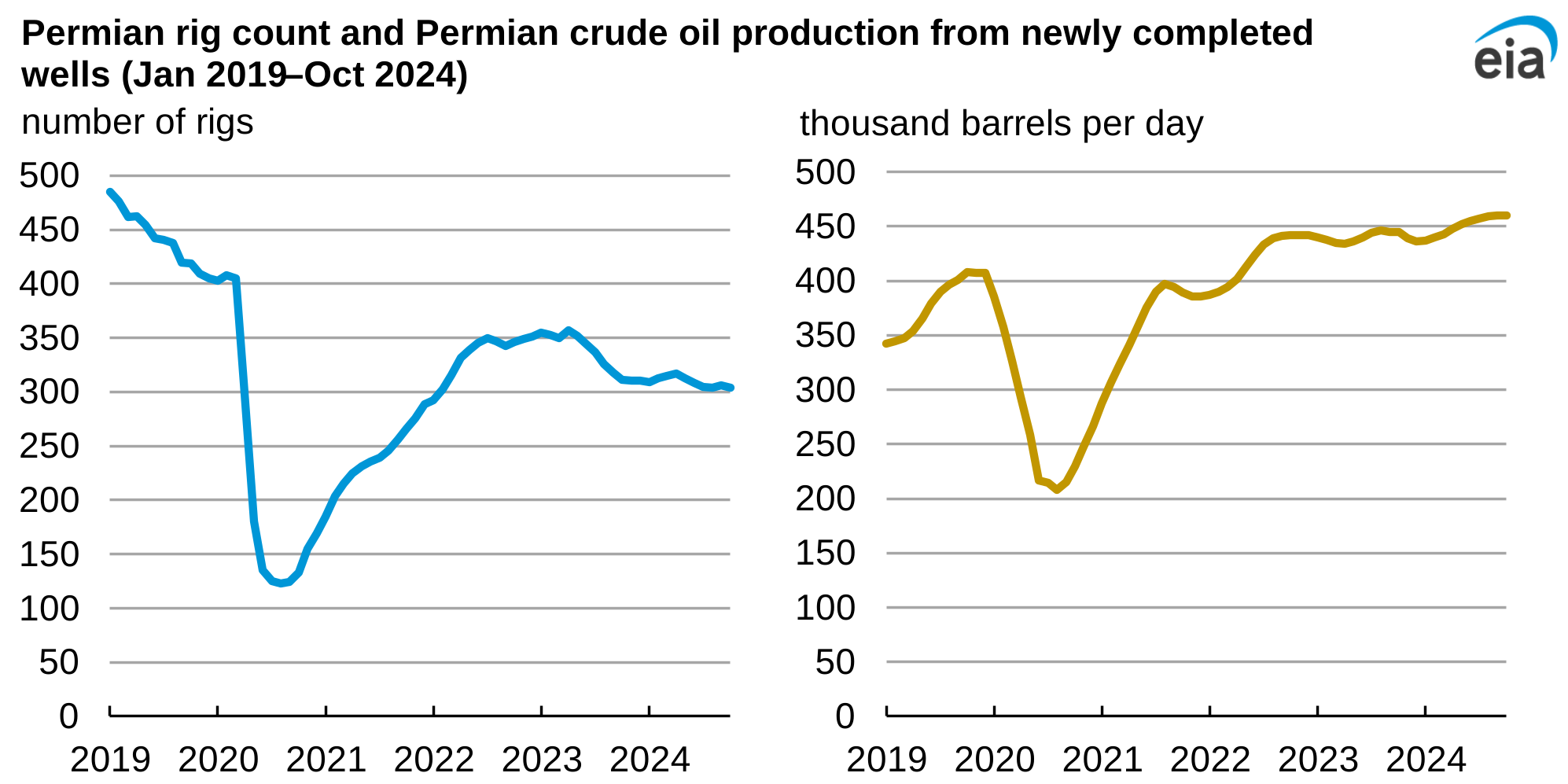
Note: Permian crude oil production shows monthly data smoothed over a 12-month period.
Second-quarter 2024 financial results for 34 publicly traded U.S. oil exploration and production (E&P) companies suggest increasing well productivity is helping these companies reduce production costs on a per barrel basis and freeing up cash for other uses such as dividends and share repurchases.
In the first eight months of 2024, U.S. crude oil production has averaged a record high of 13.1 million barrels per day (b/d), making it likely the United States will be the world’s top producer of crude oil for the seventh consecutive year.
Increasing well productivity, primarily due to advances in horizontal drilling and hydraulic fracturing technologies, has been a key driver in U.S. crude oil production growth, enabling U.S. producers to extract more crude oil from new wells drilled while maintaining production volumes from legacy wells drilled previously.
In the Permian region, the largest source of crude oil production growth in our November Short-Term Energy Outlook forecast, output from newly completed wells has steadily increased over the last two years even as the number of active drilling rigs has declined. Among the publicly traded E&P companies that we looked at, recent production and spending data indicate these companies are increasing crude oil production while continuing to control costs.
Many publicly traded E&P companies have been slower to return to pre-pandemic production volumes compared with private companies. Instead, they prioritized increasing shareholder returns and debt reduction while limiting production growth in response to post-pandemic supply chain issues and cost inflation.
Over the last two years, however, these publicly traded E&P companies have generally increased production. Crude oil production in the second quarter of 2024 of 3.9 million b/d was the most in the last five years.
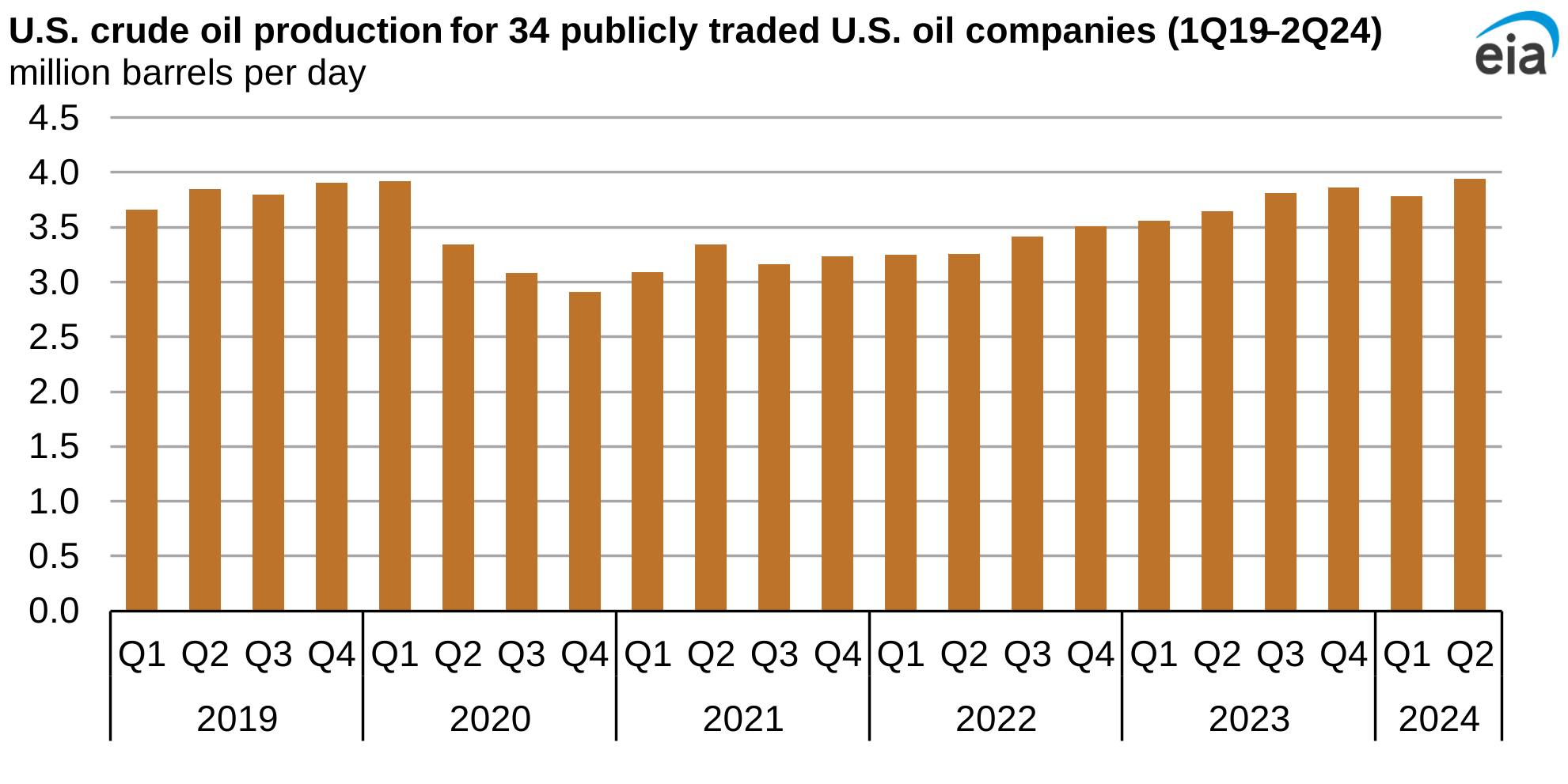
Note: 1Q19=the first quarter of 2019
Even as their crude oil production has increased, these E&P companies have kept their production costs flat. Upstream capital expenditure per barrel of oil equivalent (BOE) produced has averaged around $21/BOE in real terms since the middle of 2022. Over the same period, crude oil production by the E&P companies increased by 21%. By comparison, these E&P companies produced crude oil at an average production cost of $32/BOE in 2019.
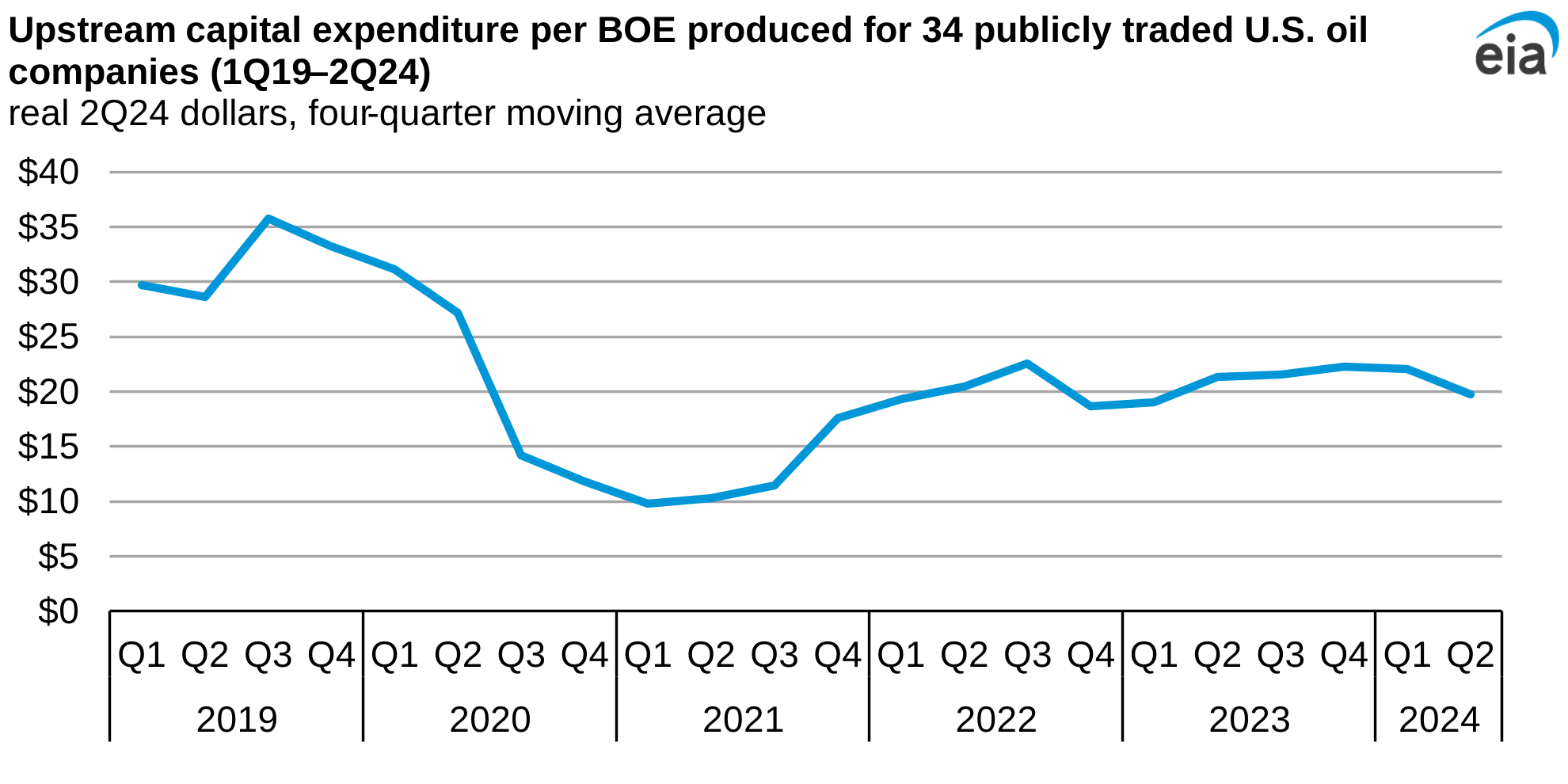
Note: BOE=barrel of oil equivalent. 1Q19=the first quarter of 2019
We base our analysis of 34 publicly traded oil companies that produce most of their crude oil in the United States on their published financial reports. Our observations do not represent the entire sector because we exclude private companies, which do not publish financial reports. The included 34 publicly traded companies accounted for 30% of the crude oil produced in the United States in the second quarter of 2024, or about 3.9 million b/d.
Principal contributor: Alexander de Keyserling
Tags: wells, production/supply, oil/petroleum, crude oil, liquid fuels, rig count, Permian