
In-brief analysis
January 26, 2026
Nuclear plants reported few outages in the first three weeks of January 2026
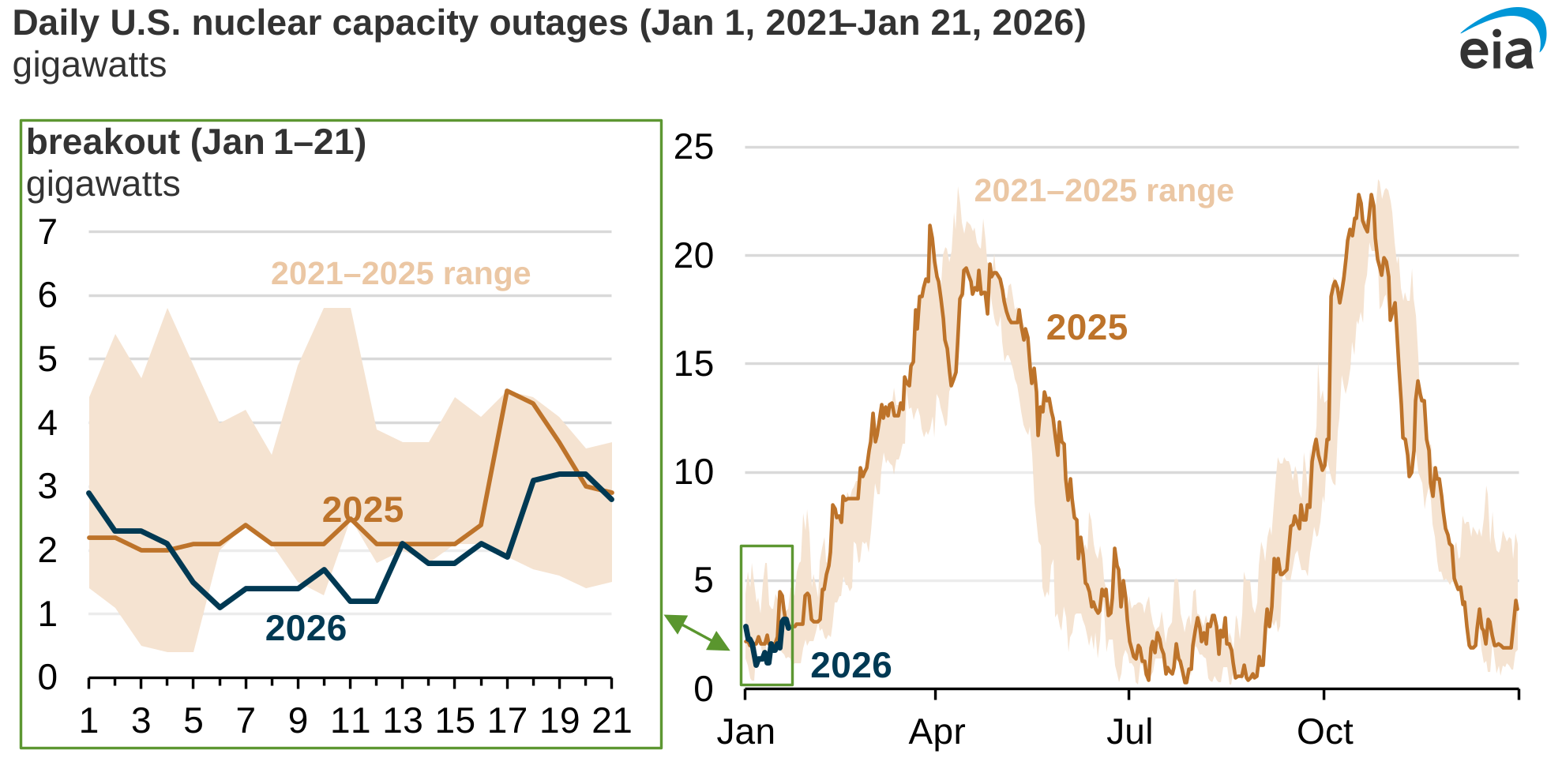
Data source: U.S. Energy Information Administration, Status of U.S. Nuclear Outages dashboard
- Between January 1, 2026, and January 21, 2026, nuclear power plant outages averaged 2.0 gigawatts (GW), 20% less than in the same period in 2025 and below the previous five-year range (2021–25) for 7 out of 21 days.
- Data from our Status of U.S. Nuclear Outages dashboard indicate that nuclear power plant outages in the United States fell to 1.1 GW on January 6, 2026, the lowest since September 2, 2025, and 1.0 GW below the outages on January 6, 2025.
- A large portion of current outages are from the Palisades Nuclear Plant in Michigan, which is in the process of restarting. In March 2025, the U.S. Department of Energy approved a loan to support restarting Palisades, and on September 9, 2025, the Nuclear Regulatory Commission changed the status of the Palisades plant from decommissioning to restarting. The Palisades plant has been operating at 0% since then, and we count it as an outage in our Status of U.S. Nuclear Outages dashboard. On January 6, 2026, the Palisades plant outage accounted for nearly three-quarters of the total U.S. nuclear outages.
- Nuclear power plants in the United States typically serve base load electricity demand, which occurs more or less continuously throughout the day and across seasons.
- Nuclear power plants undergo both planned outages, usually for maintenance and refueling, and unplanned outages, which include weather-related disruptions and early retirements. Planned nuclear power plant outages are seasonal with higher outages in the spring and fall, when electricity demand declines.
Principal contributor: Kimberly Peterson