U.S. Energy Information Administration logo
Skip to sub-navigation
In-brief analysis
January 5, 2026

Crude oil prices fell in 2025 amid oversupply
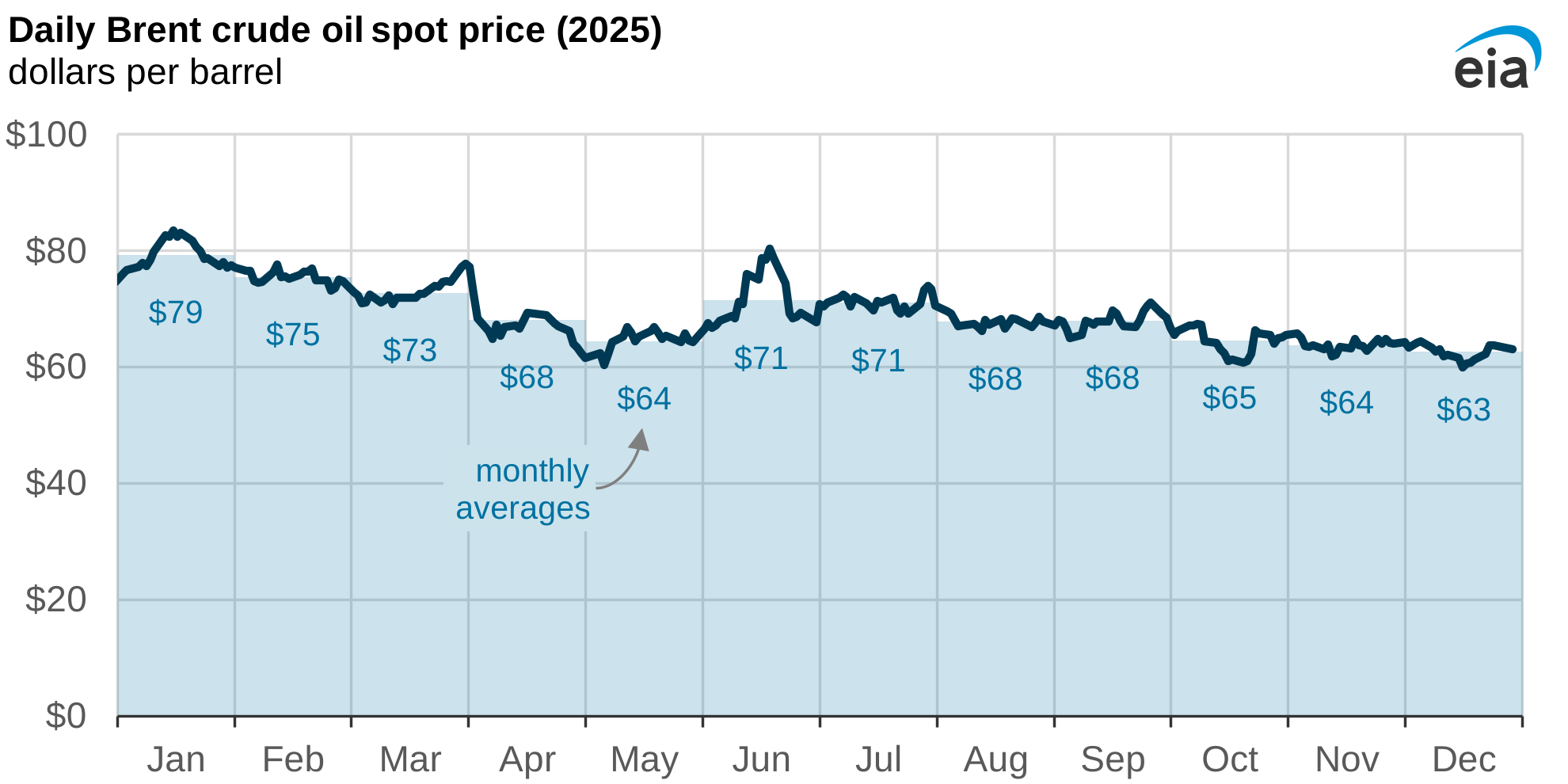
daily Brent crude oil spot price

Data source: U.S. Energy Information Administration, based on Thomson Reuters data
Data values: Europe Brent Spot Price FOB (free on board)

Crude oil prices generally declined in 2025 with supplies in the global crude oil market exceeding demand. Crude oil inventory builds in China muted some of the price decline. Events such as Israel’s June 13 strikes on Iran and attacks between Russia and Ukraine targeting oil infrastructure periodically supported prices.

On a monthly average basis, the price of Brent crude oil declined from a high of $79 per barrel (b) in January to a low of $63/b in December, which was the lowest monthly average price since early 2021. The annual average price was $69/b, the lowest since 2020, even when adjusting for inflation.
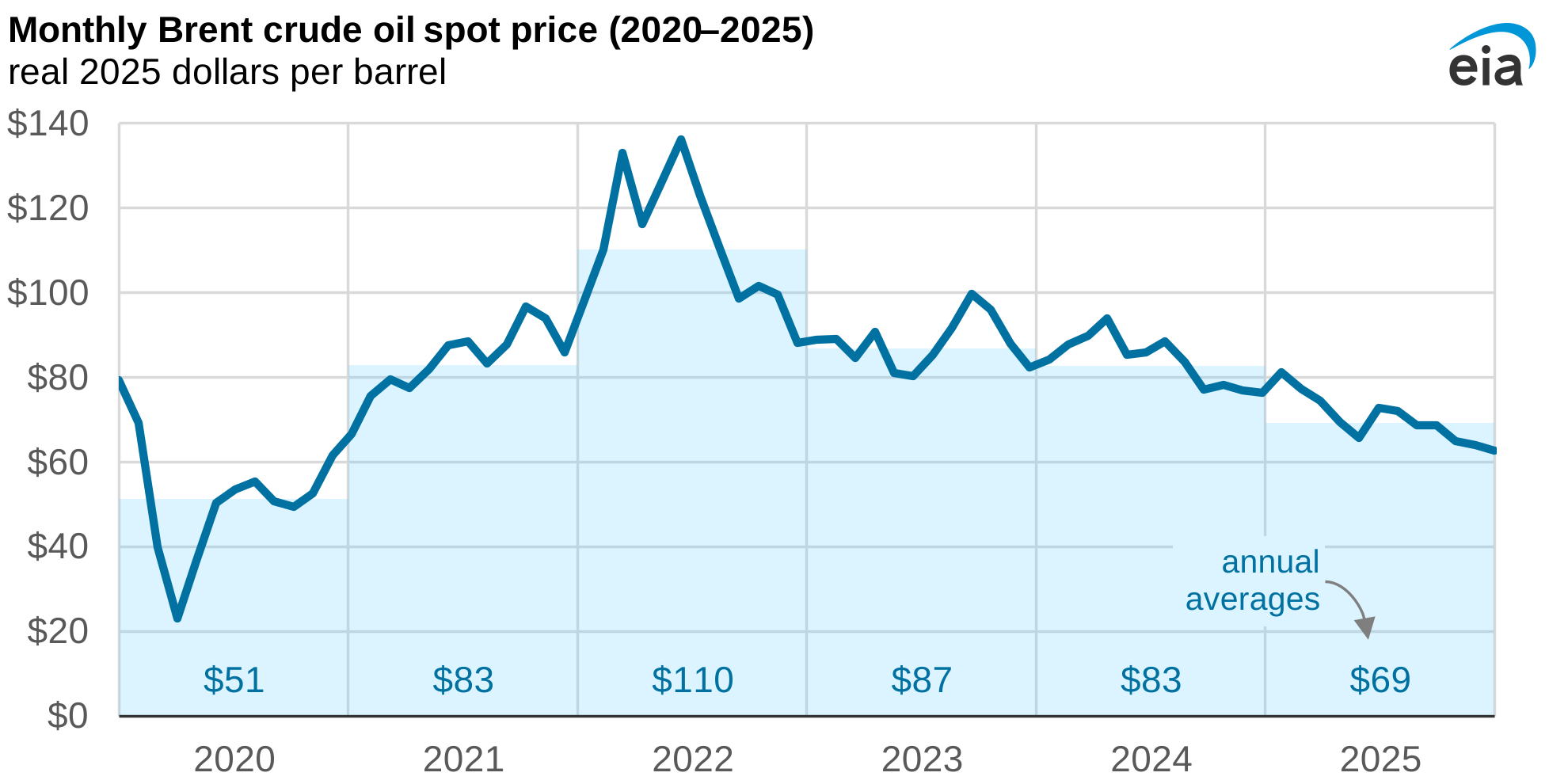
monthly Brent crude oil spot price
Data source: U.S. Energy Information Administration, based on Thomson Reuters data
Data values: Europe Brent Spot Price FOB adjusted for inflation using the GDP Implicit Price Deflator

In the first half of the year, crude oil prices declined in response to slowing economic activity, which can affect global oil demand. Prices decreased in the first quarter (1Q25) with a contraction in U.S. GDP, and prices fell nearly $15/b further in April amid expectations that escalating tariffs among large economies could continue to slow economic growth.

In the second half of the year, OPEC+ announcements that increased crude oil production targets for the group increased the prospect of an oversupplied market. In our most recent Short-Term Energy Outlook, we estimate that global production of crude oil and liquid fuels outpaced consumption throughout 2025, with implied stock builds of more than 2.5 million barrels per day in the final two quarters of the year. These stock builds were the largest recorded since 2000, aside from in 2020.
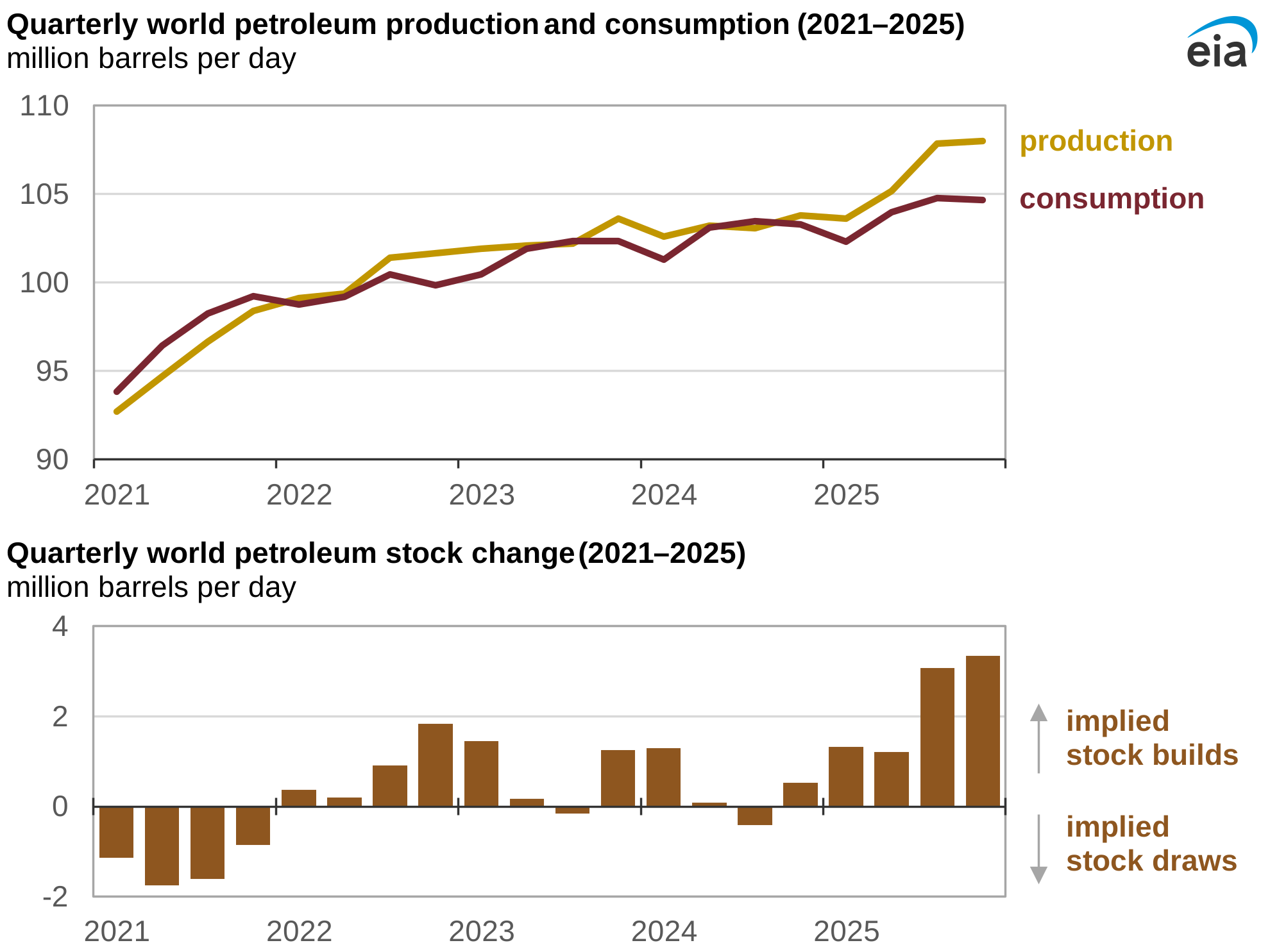
quarterly world petroleum production and consumption
Data source: U.S. Energy Information Administration, Short-Term Energy Outlook, December 2025
Data values: International Petroleum and Other Liquids Production, Consumption, and Inventories

Generally, crude oil prices tend to decrease as global petroleum stocks increase. However, crude oil inventory builds in China likely limited price declines from the stock builds, essentially acting as a source of demand by removing barrels from the global market.

Principal contributors: Alex de Keyserling, Jimmy Troderman

Statistics
Analysis
Tools
Education
News

Petroleum & Other Liquids

Crude oil, gasoline, heating oil, diesel, propane, and other liquids including biofuels and natural gas liquids.

Natural Gas

Exploration and reserves, storage, imports and exports, production, prices, sales.

Electricity

Sales, revenue and prices, power plants, fuel use, stocks, generation, trade, demand & emissions.

Coal

Reserves, production, prices, employment and productivity, distribution, stocks, imports and exports.

Nuclear & Uranium

Uranium fuel, nuclear reactors, generation, spent fuel.

Renewable & Alternative Fuels

Includes hydropower, solar, wind, geothermal, biomass and ethanol.

EIA Survey Forms

Forms EIA uses to collect energy data including descriptions, links to survey instructions, and additional information.

Total Energy

Comprehensive data summaries, comparisons, analysis, and projections integrated across all energy sources.

U.S. States

State energy information, including overviews, rankings, data, and analyses.

International

International energy information, including overviews, rankings, data, and analyses.

Environment

Greenhouse gas data, voluntary reporting, electric power plant emissions.

Data Tools, Apps, & Maps

Tools to customize searches, view specific data sets, study detailed documentation, and access time-series data.

Open Data

EIA's free and open data available as API, Excel add-in, bulk files, and widgets

EIA Beta

Come test out some of the products still in development and let us know what you think!

Open Source Code

EIA's open source code, available on GitHub.

RSS Feeds

Subscribe to feeds for updates on EIA products including Today in Energy and What's New.