
Distillate and jet fuel contribute to record U.S. petroleum product exports in 2024
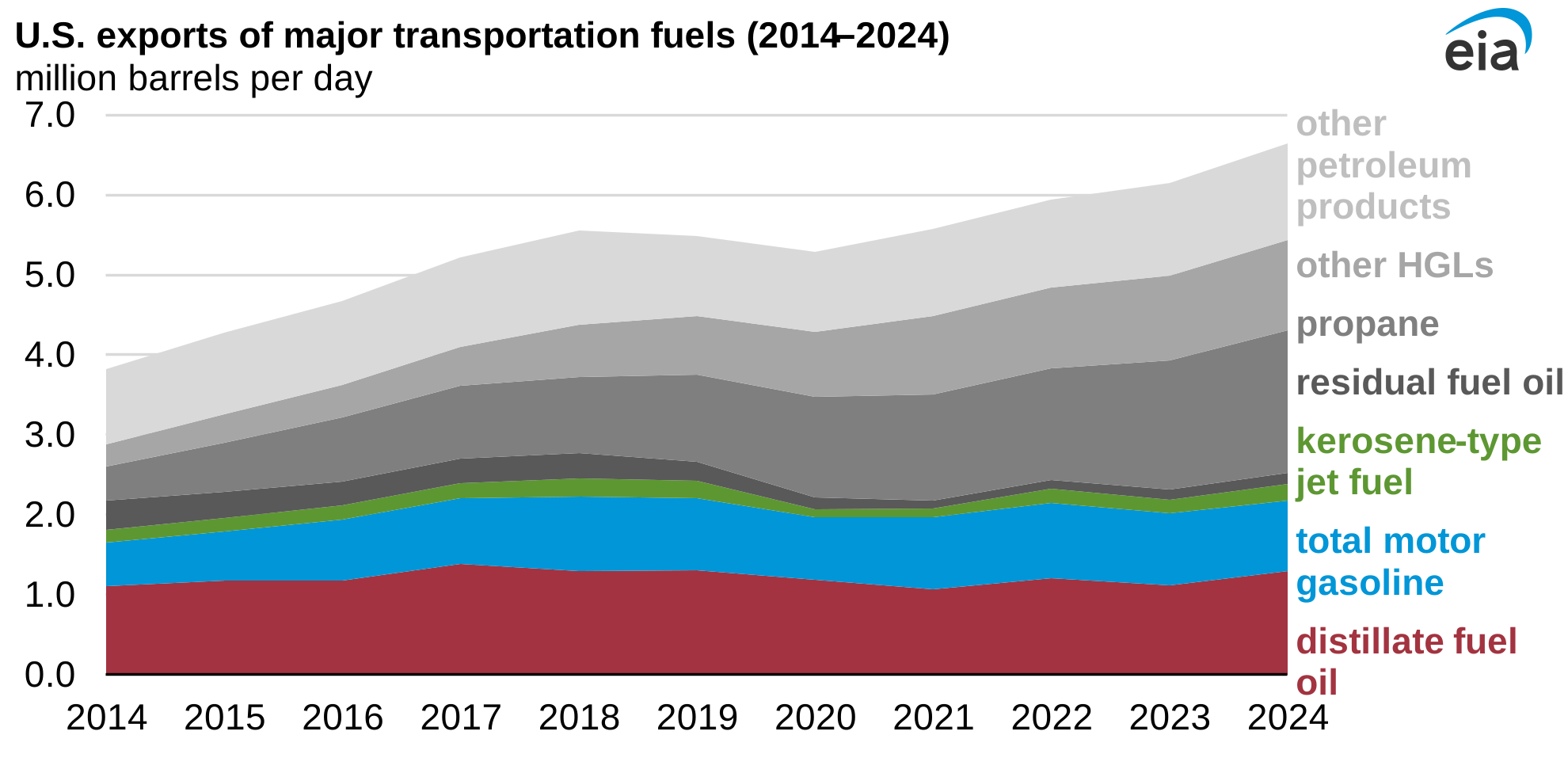
Note: HGLs=hydrocarbon gas liquids
In 2024, U.S. exports of total petroleum products increased to a record 6.6 million barrels per day (b/d) annual average. Annual U.S. petroleum product exports increased by 495,000 b/d as U.S. exports of distillate fuel oil, typically sold as diesel, and jet fuel increased compared with 2023, while exports of total motor gasoline decreased. Imports of major petroleum products, including gasoline, distillate fuel oil, and jet fuel, decreased by 210,000 b/d in 2024 compared with 2023.
Distillate fuel oil accounts for the largest share of U.S. transportation fuel exports and is the second-largest petroleum export by volume, after propane. Distillate exports increased 182,000 b/d to about 1.30 million b/d in 2024, still less than the annual record of 1.38 million b/d in 2017.
The largest destination for U.S. distillate exports is Mexico, which accounted for 272,000 b/d (21%) in 2024. Other major destinations included Chile (110,000 b/d), the Netherlands (103,000 b/d), the UK (81,000 b/d), and Peru (74,000 b/d).
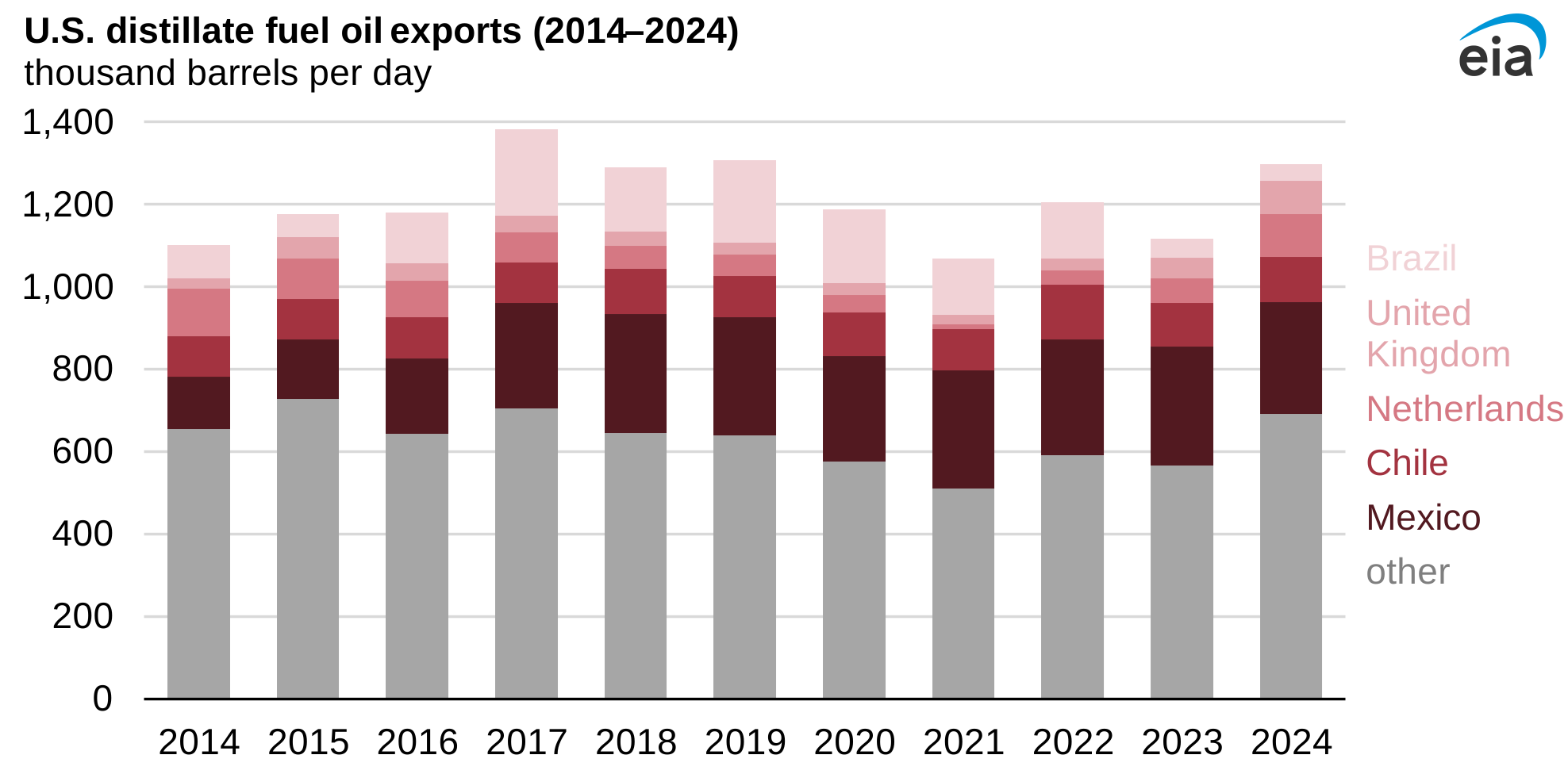
Brazil was the second-largest destination for U.S. distillate exports over the previous 10 years (2014–23), but it only received 41,000 b/d of U.S. exports in 2024. This decrease indirectly reflects sanctions by European countries on Russia’s distillate imports. Brazil increased imports of discounted and displaced distillate from Russia last year, reducing its own imports from the United States. At the same time, major European hubs in the Netherlands and the UK imported significantly more distillate from the United States. The Netherlands imported 103,000 b/d of distillate from the United States in 2024, and UK distillate imports averaged 81,000 b/d. In 2021, the Netherlands imported just 12,000 b/d of U.S. distillate, and the UK imported only 23,000 b/d.
In 2024, exports of U.S. motor gasoline, including both finished motor gasoline and motor gasoline blending components, totaled 877,000 b/d, or 24,000 b/d less than in 2023. Mexico is the largest destination for U.S. gasoline exports, accounting for more than half of 2024 exports at 495,000 b/d. Other destinations for U.S. gasoline exports are generally concentrated in the Western Hemisphere, such as Guatemala, Colombia, Canada, and Panama—the next-largest destinations by volume in 2024.
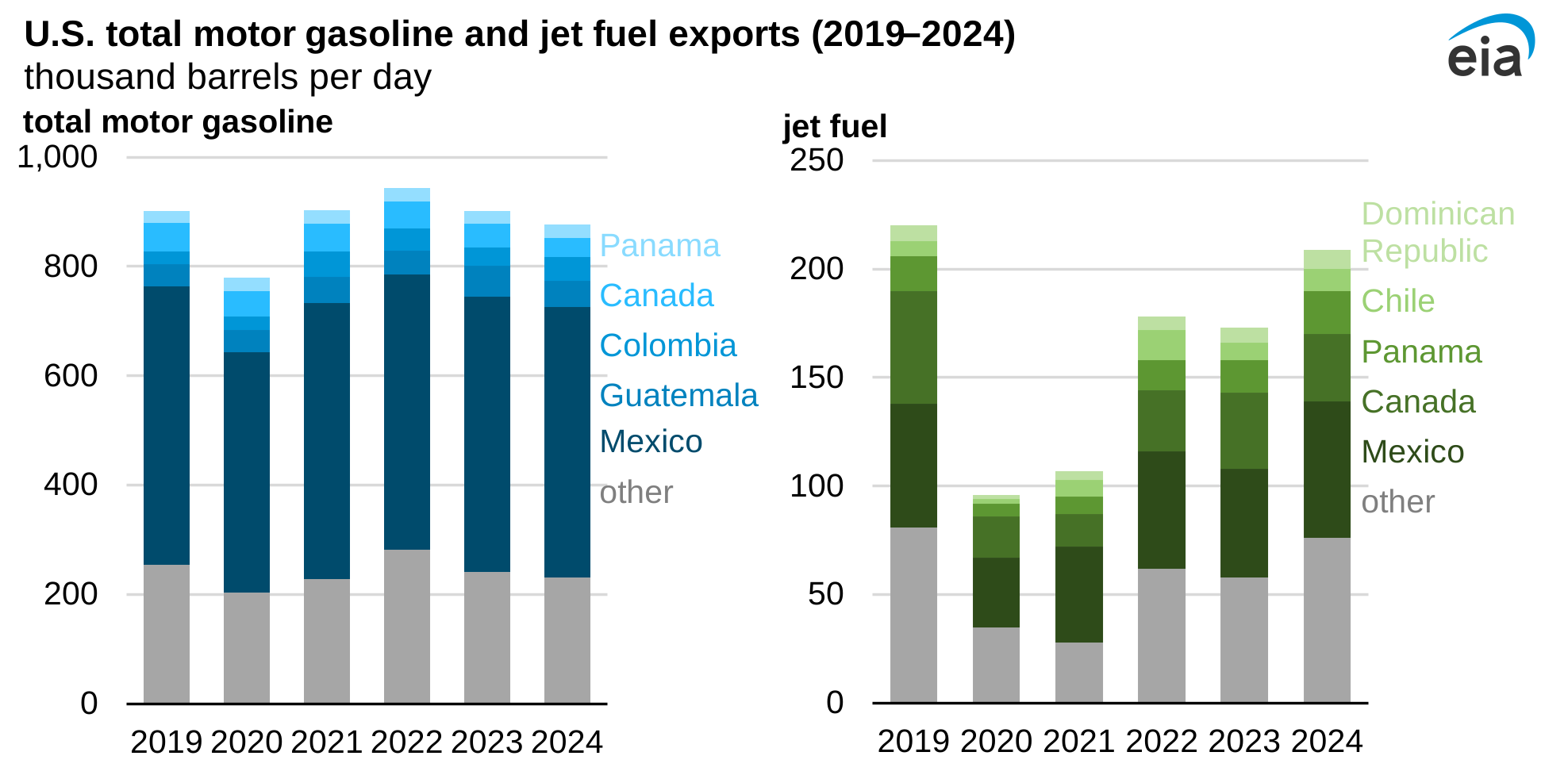
Note: Total motor gasoline exports are calculated as the sum of exports of finished motor gasoline and exports of motor gasoline blending components.
Jet fuel exports in 2024 increased relative to 2023, rising to a total of 209,000 b/d but remaining below pre-pandemic levels. Major destinations for jet fuel exports are elsewhere in the Americas, and as with the other fuels, Mexico has historically been the largest single destination, constituting 63,000 b/d (30%) of 2024 exports. U.S. annual exports of jet fuel to Mexico were their highest on record last year.
Principal contributor: Kevin Hack