
Northwest U.S. and western Canadian natural gas prices trade at historic lows in 2024
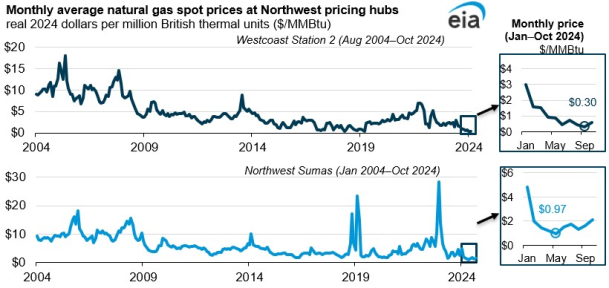
Note: Prices are adjusted for inflation based on September 2024 Bureau of Labor Statistics’ Consumer Price Index data.
Monthly average natural gas spot prices at northwestern U.S. and western Canada border pricing hubs reached historic lows in 2024 through October, according to data from Natural Gas Intelligence. Robust natural gas production in western Canada, where output has generally increased over the last two years, and high natural gas inventories in the region contributed to the low prices.
At Westcoast Station 2, the western Canada benchmark, the daily spot natural gas price has averaged $1.04 per million British thermal units (MMBtu) in 2024 through October, reaching its lowest monthly average of $0.31/MMBtu in September. Located near Fort St. John, British Columbia, close to natural gas production activities in the Western Canadian Sedimentary Basin (WCSB), Westcoast Station 2 is a key pricing hub for gauging production and available supply in the regional market.
At Northwest Sumas, the main pricing hub for natural gas in the U.S. Pacific Northwest, the daily spot price averaged $1.87/MMBtu in 2024 through October and reached its lowest monthly average this year of $0.97/MMBtu in May. The monthly average price for the first 10 months of this year is the lowest for this period of any year since we began collecting data for this hub in 1998.
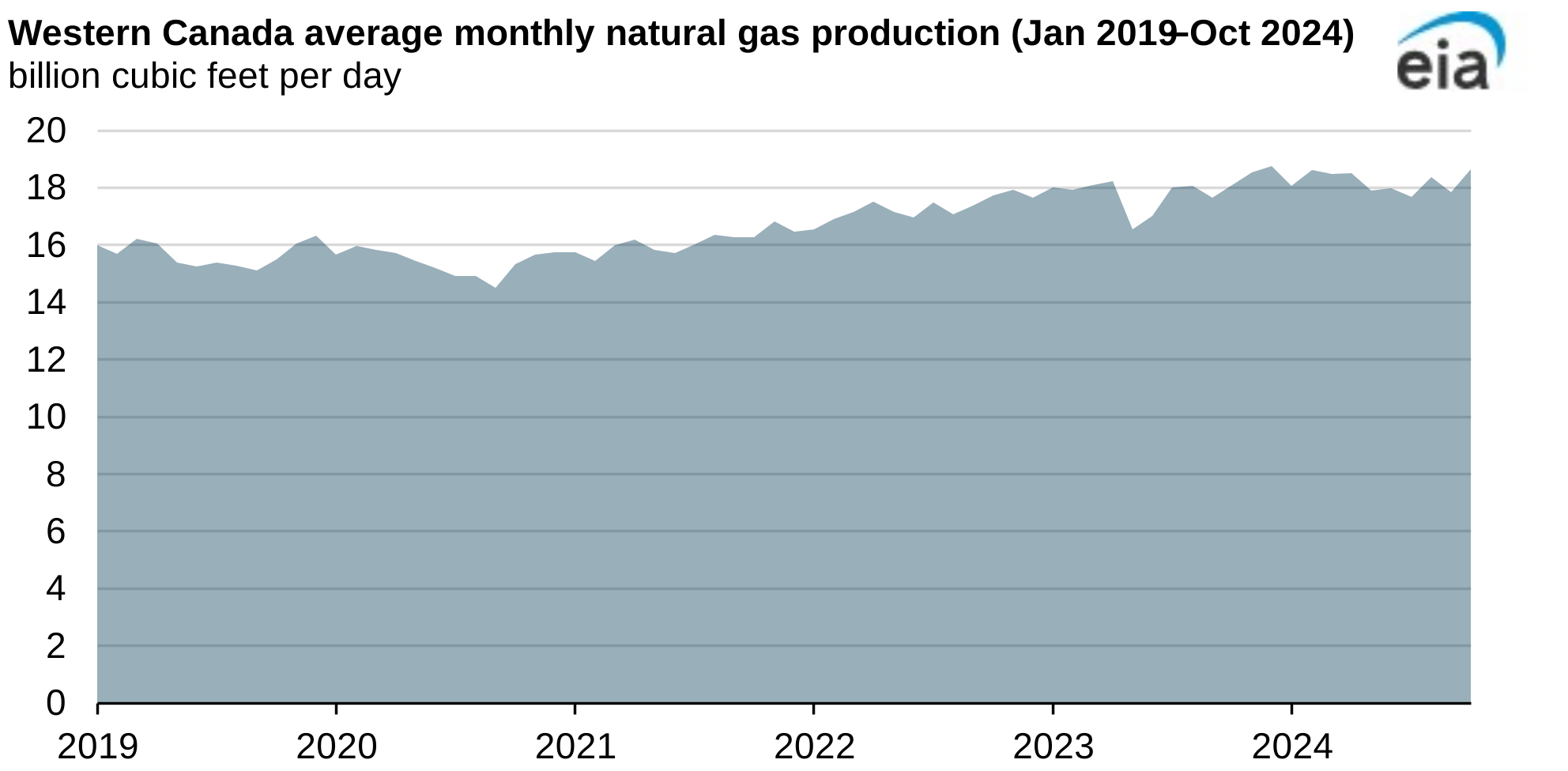
Relatively high natural gas production in the WCSB since the end of 2022 and relatively high natural gas exports into the western United States reduced natural gas prices in western Canada and the U.S. Pacific Northwest in 2024.
Production in western Canada averaged 18.2 billion cubic feet per day (Bcf/d) from January through October of this year, 3% more than during the same period in 2023 and 11% more than the five-year (2019–23) average for that period, according to S&P Global Commodity Insights. Excluding the disruption caused by the Donnie Creek wildfire in May 2023, producers have been increasing production ahead of the start of liquefied natural gas (LNG) exports from LNG Canada in Kitimat, British Columbia, which is on track to come online by the middle of 2025.
Natural gas exports to the U.S. Pacific Northwest over this same period averaged 3.7 Bcf/d, which is 11% (0.4 Bcf/d) more than the five-year average. Because natural gas production has risen in advance of demand for natural gas for LNG exports, more natural gas has gone into storage. As of August 31, natural gas inventories in Canada were 37% (6.5 Bcf) above the five-year average.
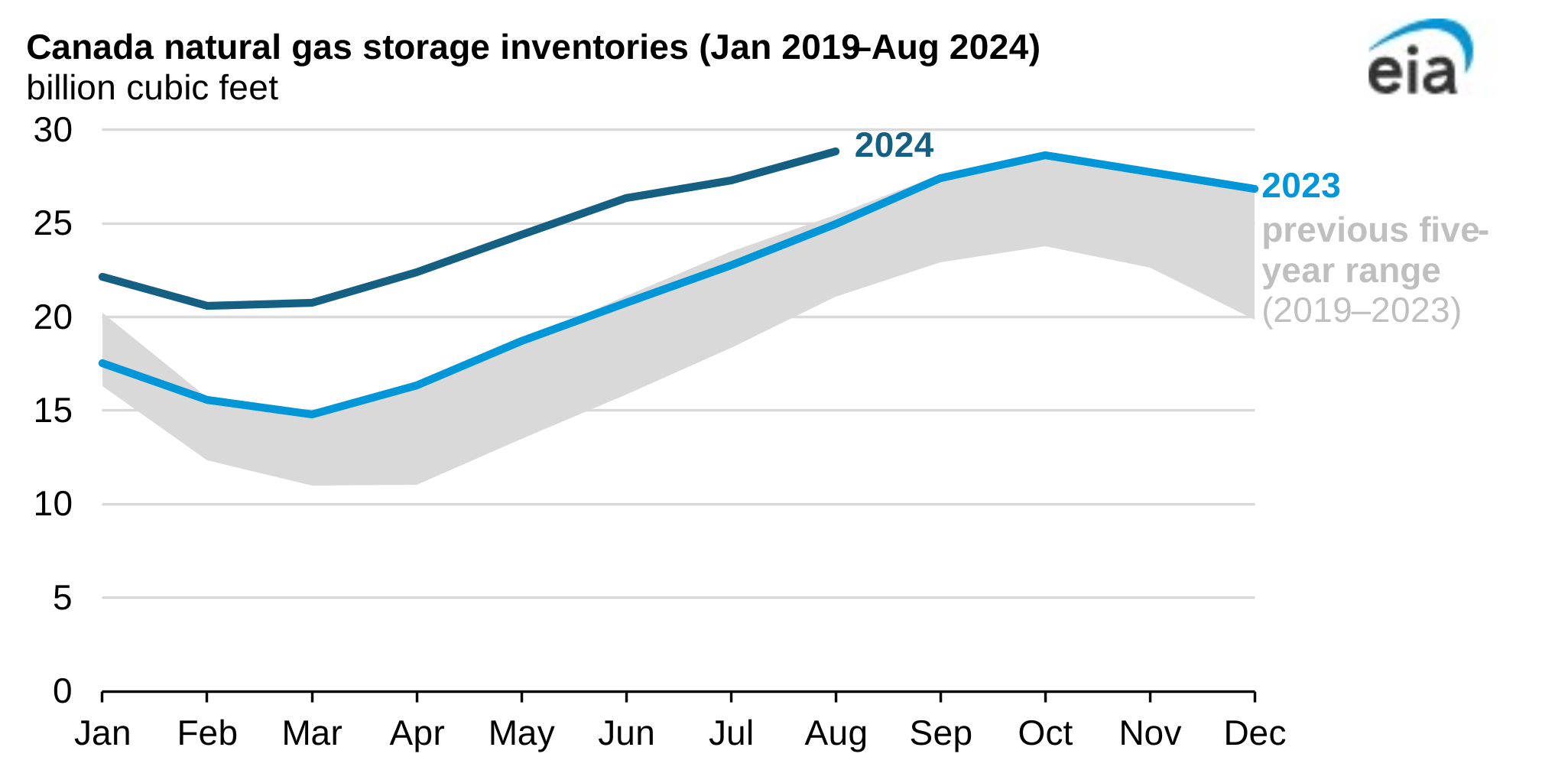
In the U.S. Pacific region, natural gas inventories have remained consistently above the five-year average so far this year. The Jackson Prairie underground storage facility, operated by Puget Sound Energy, is the largest natural gas storage facility in the Pacific Northwest, with a working gas capacity of 24.6 Bcf. As of October 31, 2024, Jackson Prairie was more than 90% full.
Principal contributor: Andrew Iraola
Tags: natural gas, prices, United States, Northwest, Canada