
Hurricane Milton nears landfall on Florida’s west coast, disrupts energy infrastructure
This TIE was updated with additional mapping.
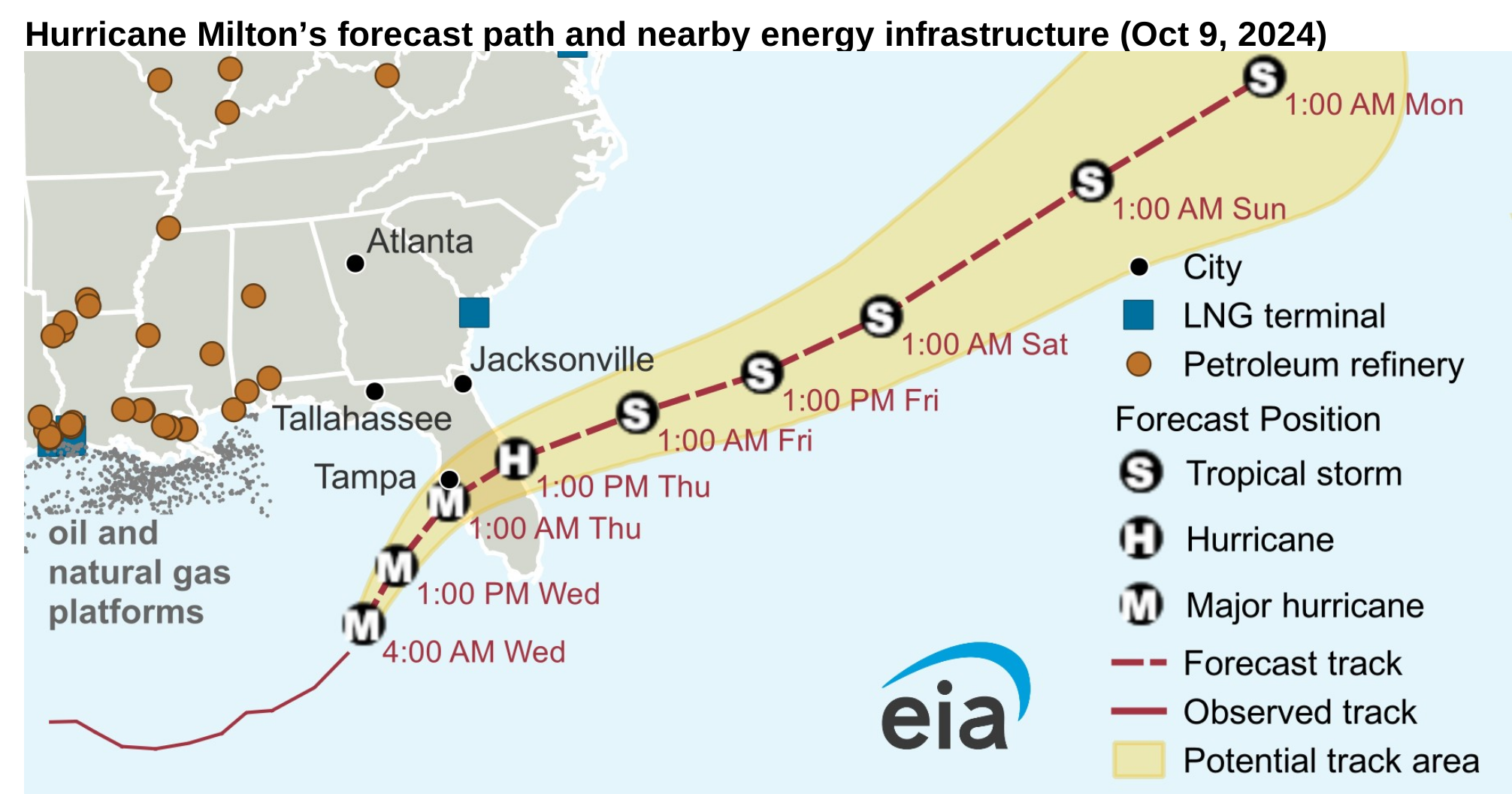
As of 8:00 a.m. eastern time on October 9, Hurricane Milton is expected to make landfall late Wednesday or early Thursday as a major hurricane on the west coast of Florida with sustained winds of 160 miles per hour, creating the potential for significant disruptions to energy infrastructure.
Utilities in Florida are preparing for high volumes of power outages. High winds, flooding, and storm surge from Hurricane Milton might affect energy infrastructure such as power plants, power transmission and distribution lines, and fuel terminals.
Trade press reports state that some retail gasoline stations in Florida are without fuel as demand increased prior to the hurricane. In a press conference on Tuesday, Florida governor Ron DeSantis indicated that the state was dispatching and staging fuel as needed. However, Florida does not have any refineries or gasoline pipelines that connect it to states with excess supply. Florida's gasoline and diesel are delivered by truck or ship from domestic and international sources.

The U.S. Coast Guard reports several ports in Florida are closed. Inbound and outbound vessel traffic to Port Tampa Bay, where over 17 million tons of petroleum- and natural gas-related products move through in a typical year, has ceased. More than 43% of Florida's petroleum products, including gasoline, diesel, and jet fuel for the state’s major airports, moves through Port Tampa Bay. The duration of the port closures and impacts from Hurricane Milton on trade movements for petroleum and natural gas remain uncertain.
Hurricane Milton follows Hurricane Helene, a Category 4 hurricane that made landfall on the Florida Panhandle on September 26 and caused major power outages and damage to electricity infrastructure on its path from Florida to the Appalachian Mountains. Three other named storms have made landfall so far this hurricane season (Beryl, Debby, and Francine) as either Category 1 or 2 hurricanes.
Much like Hurricane Helene, Milton’s forecasted path toward Florida’s west coast takes it away from the most prolific oil- and natural gas-producing areas near Texas, Louisiana, and Mississippi.
Press reports indicated earlier this week that Chevron closed its Blind Faith oil platform in the U.S. Gulf of Mexico and evacuated all personnel from the facility in preparation for Hurricane Milton. The Blind Faith platform, which has a production capacity of 65,000 barrels per day, is approximately 160 miles southeast of New Orleans. However, as of Wednesday morning, the Bureau of Safety and Environmental Enforcement had not reported that significant oil and natural gas production in the Gulf of Mexico had been shut in due to Hurricane Milton.
To help analysts assess potential energy-related storm effects, EIA maintains energy disruption maps that display energy infrastructure and real-time storm information.
Principal contributors: Matthew French, Paul Merolli