
Agricultural feedstock costs drive RIN prices to all-time highs
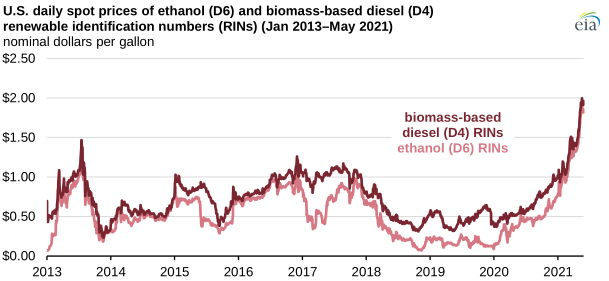
The prices of renewable identification number (RIN) credits—the compliance mechanism used for the Renewable Fuel Standard (RFS) program administered by the U.S. Environmental Protection Agency (EPA)—sharply increased through April of this year, and they are now higher than at any time during the 13-year history of the RFS program. Rising global demand for the agricultural feedstocks used to make corn fuel ethanol and biomass-based diesel fuels has driven fuel ethanol and biomass-based diesel prices higher in 2021, pushing their corresponding RIN prices to new highs.
Renewable fuel producers generate RINs that can be used for compliance or traded in secondary markets. Refiners and importers of gasoline and diesel are obligated parties and must generate or purchase RINs to demonstrate compliance. The higher-value RINs allow market participants to offset rising biofuel costs and to continue blending at suitable levels for RFS compliance.
On May 18, corn fuel ethanol D6 RIN prices reached $1.90 per gallon (gal), and biomass-based diesel D4 RIN prices reached $2.00/gal, both marking all-time high daily prices in the RFS program. As of May 28, corn fuel ethanol D6 RIN prices had increased by 129% since the beginning of the year, and biomass-based diesel D4 RIN prices had increased by 96%.
Although regulatory factors and rising RFS targets often raise RIN prices, higher agricultural feedstock costs are currently the primary reason for the high RIN prices, which are correspondingly driving up biofuel spot prices.
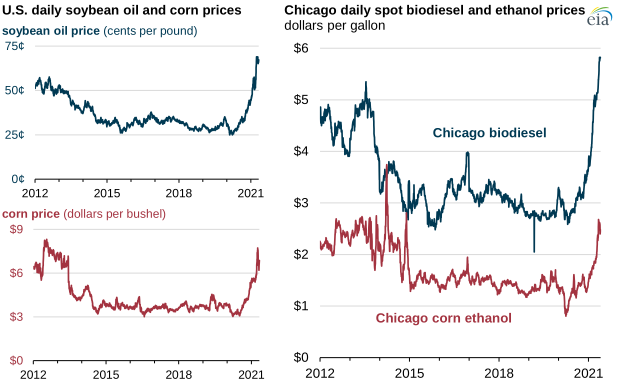
The two primary feedstocks for biofuels production in the United States are corn and soybean oil, which are used for fuel ethanol and biomass-based diesel production, respectively. Since December 31, 2020, U.S. corn prices have increased by 42% while U.S. soybean oil prices have increased by 55%. Both prices have reached their highest levels in more than eight years, driven in large part by increased demand from China and concerns around future domestic supply.
Correspondingly, the Chicago daily spot price of fuel ethanol settled at $2.32 per gallon (gal) on April 30, which was the highest price since December 2014 and an increase of 58% since the beginning of the year. Similarly, the Chicago spot price of biodiesel settled at $5.23/gal on April 30, marking the highest price since July 2013 and an increase of 40% since the beginning of the year.
Principal contributors: Sean Hill, Matthew French