
Mixed outlook for energy expenditures this winter
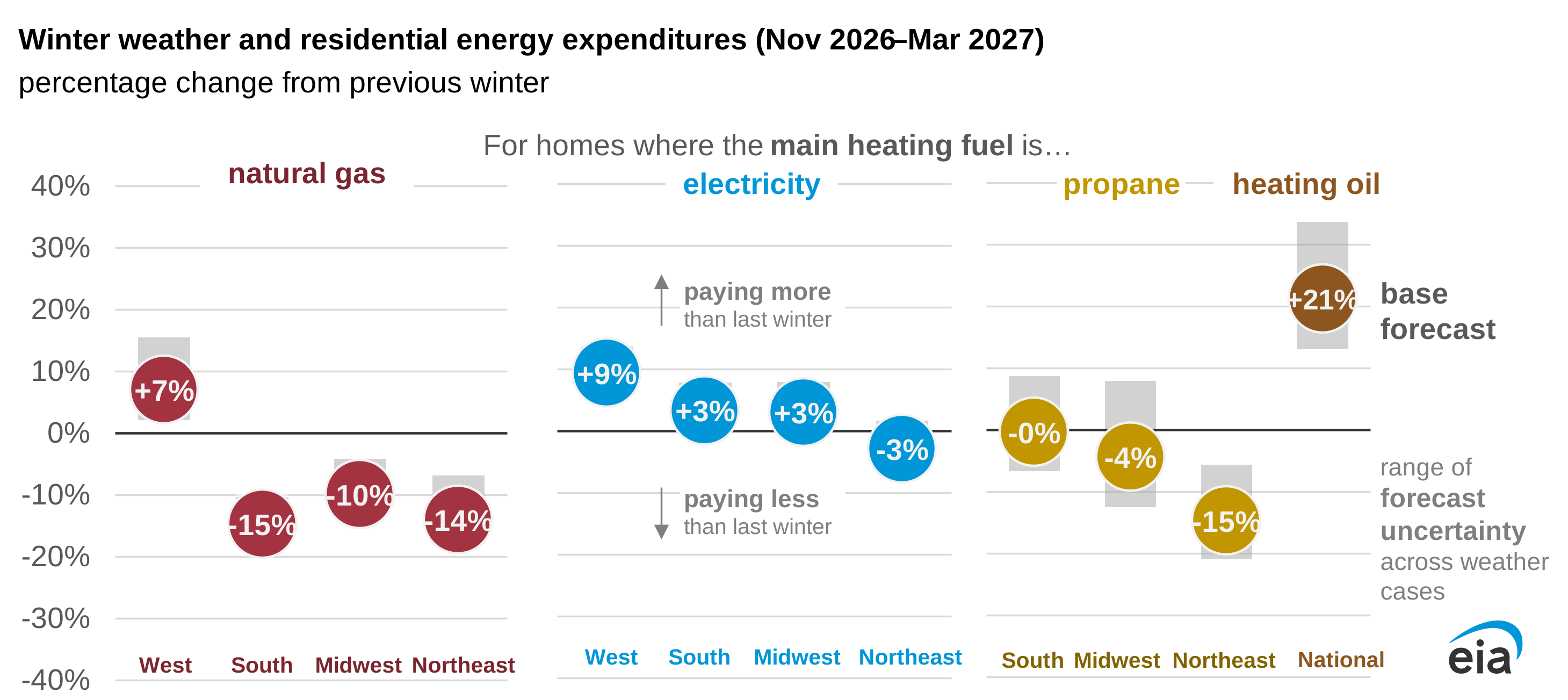
We expect energy expenditures this winter to vary because of diverging trends in energy prices among fuels and regional variation in forecast temperatures. We expect that lower prices for natural gas and propane will drive decreases in expenditures this year for the half of U.S. households heating with those fuels. Higher prices for electricity and heating oil drive increased expenditures for households heating with those fuels in our forecast.
Although we expect national average temperatures to be similar to last winter, our forecast assumes warmer temperatures in the Northeast, following a relatively cold winter last year, and much colder temperatures in the West, following an unusually warm winter last year. Temperatures in the Midwest and South are similar to last year.
Homes that use heating oil as their main heating fuel—about 3% of U.S. homes, which are mostly in the Northeast—could see the largest increase in spending this year. We expect a 21% increase in spending on heating oil compared with last winter, driven by increasing global distillate prices. We forecast the price of heating oil will average 34% more this winter than last winter, but warmer forecast temperatures are expected to partly offset our forecast increase in prices. We expect the more than 40% of homes heating with electricity will experience a 4% increase in electricity bills on average. We expect energy expenditures will decrease on average by 9% in homes heating with natural gas and by 3% in those heating with propane.
Distillate dynamics
Global distillate fuel production, which includes heating oil production, has dropped because of reduced global refining activity. Lower production has caused rising international prices, driving up both the cost to import distillate to the United States and the demand for distillate exports from the United States. Through the first seven months of 2026, U.S. distillate exports increased 20% over the same period last year, with much of the increased volumes sent to Europe.
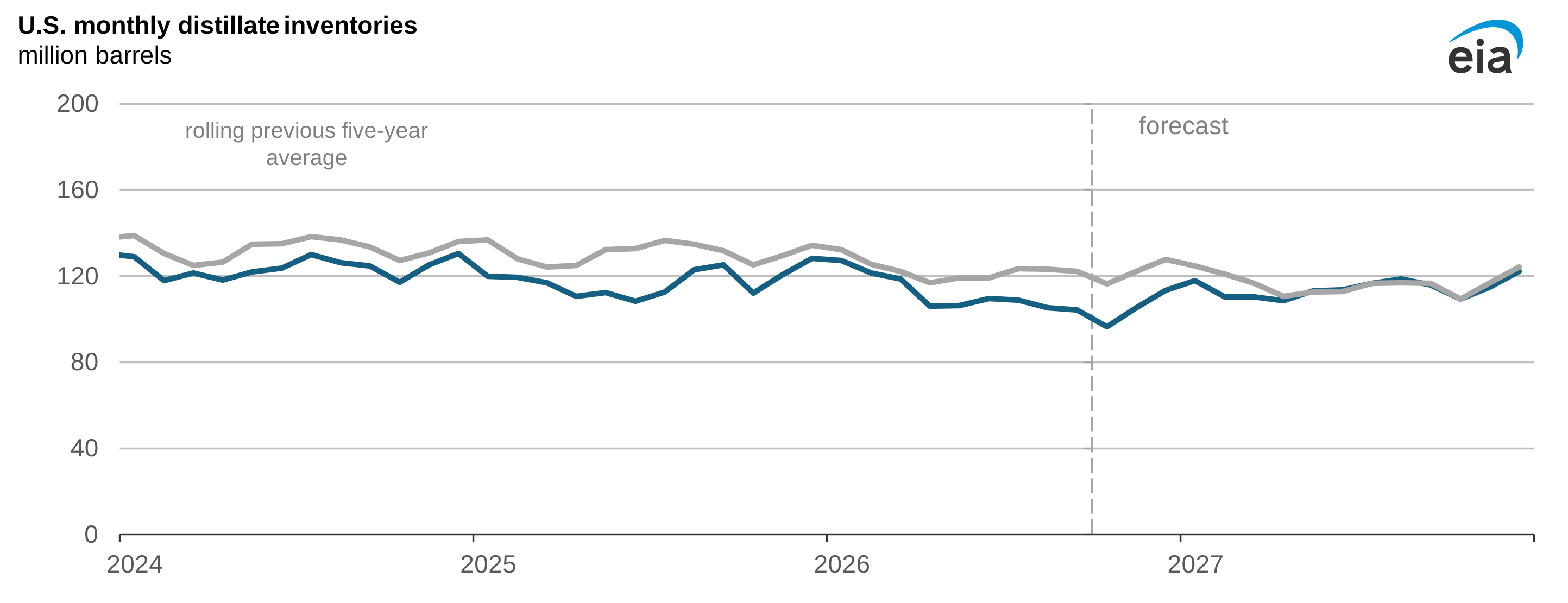
With more costly U.S. imports and higher demand for U.S. exports, U.S. distillate fuel stocks are low heading into winter. We expect inventories will be about 11% below the five-year average in the fourth quarter of 2026.
Principal contributors: EIA Staff