
In-brief analysis
March 26, 2026
Middle East crude oil tanker rates reached a multi-decade high in March
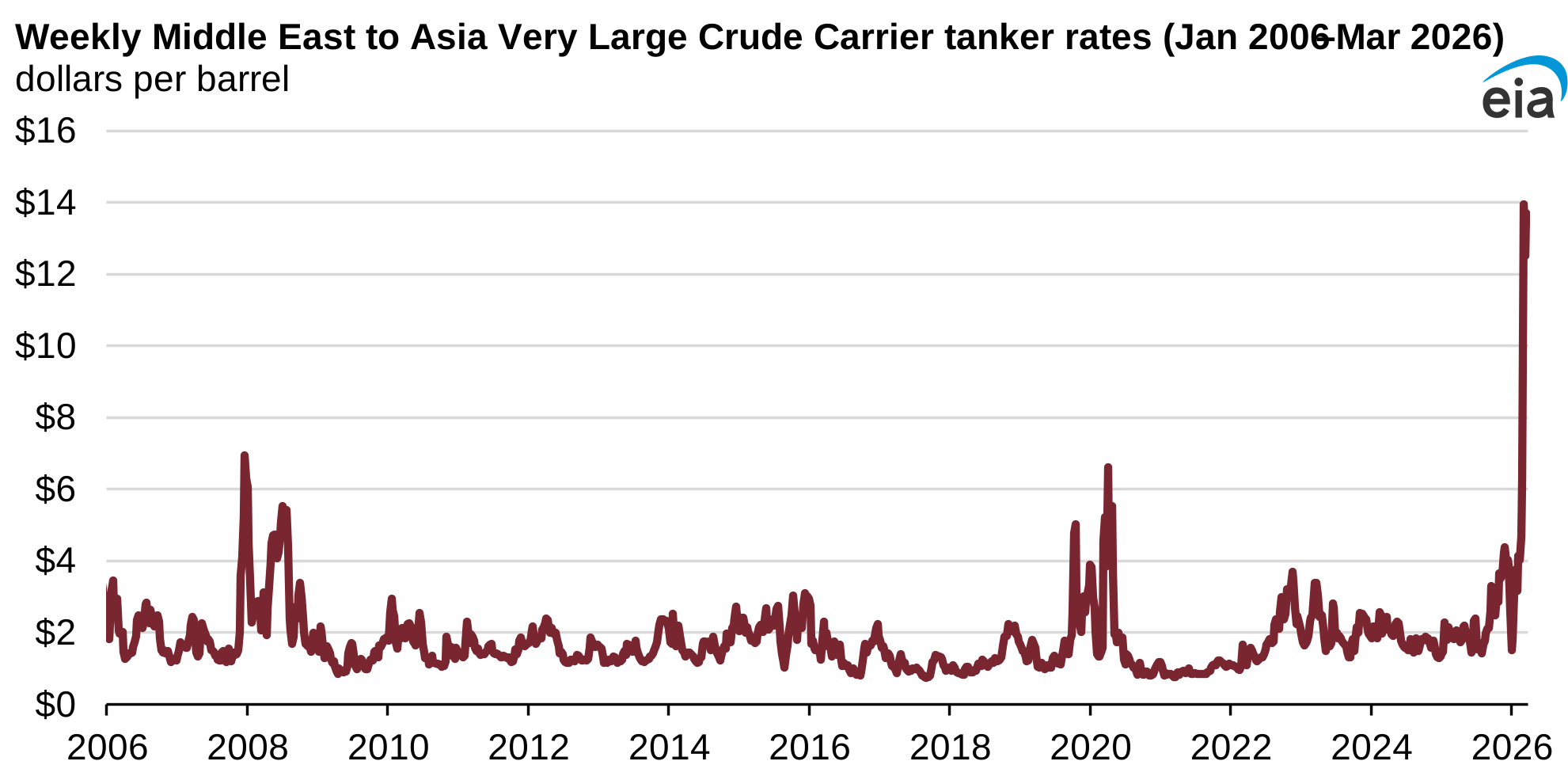
Data source: Argus Freight
- In March 2026, tanker rates for Very Large Crude Carriers (VLCCs) leaving the Middle East to Asia were the highest since at least November 2005, when data were first recorded. The price increase followed Iran’s closure of the Strait of Hormuz on March 2.
- The Strait of Hormuz is an important chokepoint, connecting the Persian Gulf to the Gulf of Oman and Arabian Sea. The physical risk of attacks on vessels attempting to traverse the Strait of Hormuz, as well as the high cost of war risk insurance for vessels to do so, drove crude oil tanker rates from the Middle East Gulf to all destinations to record highs.
- The high risk and effective closure of the Strait has led to a backup of vessels confined in the Persian Gulf that had already loaded crude oil from various Gulf countries. The confined vessels reduce the availability of global tanker capacity, which increases tanker rates.
- Crude oil tanker rates from the Americas, especially the U.S. Gulf Coast, also rose to record highs because of high demand for crude oil and fewer vessels available for shipment.
- Clean tanker (used for petroleum products) and natural gas carrier rates have also increased. On March 17, the U.S. Department of Homeland Security issued a temporary waiver for compliance with the Jones Act, which may contribute to additional shifts in global shipping and tanker availability.
Principal contributor: Josh Eiermann
Tags: international, crude oil, oil/petroleum, liquid fuels