
Most natural gas pipelines built in 2025 connect the South Central United States to supply
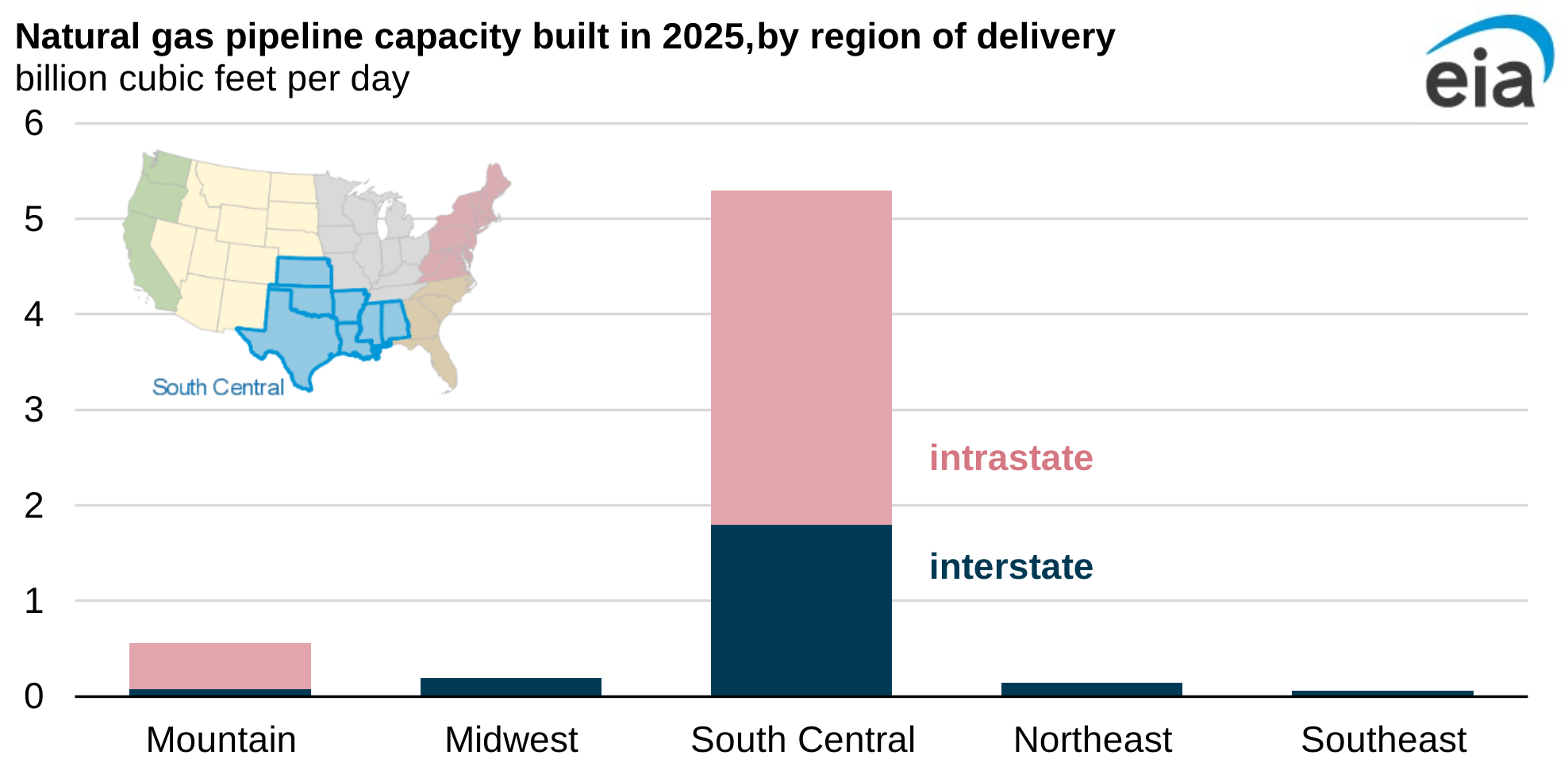
Note: Regions are based on EIA natural gas storage regions, with the East region broken out into Northeast and Southeast regions.
Natural gas pipeline projects completed in the United States in 2025 increased capacity by approximately 6.3 billion cubic feet per day (Bcf/d), according to our recently updated Natural Gas Pipeline Projects Tracker. A substantial portion, 85%, or 5.3 Bcf/d, of this new capacity is dedicated to delivering natural gas to the South Central region of the United States. This region includes the Gulf Coast, where much of the nation's growing natural gas demand, particularly from liquefied natural gas (LNG), is concentrated. The new capacity primarily connects both new and existing supply sources to consumers in the region.
Approximately 65% of the total pipeline capacity built in 2025 consists of intrastate pipelines, continuing the recent trend of intrastate pipeline builds outpacing interstate capacity additions. These pipelines operate primarily within state lines and are therefore not subject to the jurisdiction of the Federal Energy Regulatory Commission (FERC).
The new intrastate capacity built in 2025 largely functions as gathering systems, which are essential for transporting natural gas from producers into the wider transmission system. Two such projects completed in 2025 expanded pipeline capacity by a combined 3.5 Bcf/d to connect natural gas production from the natural gas-producing Haynesville formation to the Gillis Hub in southeastern Louisiana. The Louisiana Energy Gateway project added 1.8 Bcf/d, and the New Generation Gas Gathering system added 1.7 Bcf/d. Both were in service as of October 2025.
In addition, three major projects expanded natural gas pipeline capacity for delivery to growing demand centers on the Gulf Coast by a combined 1.8 Bcf/d. The Evangeline Pass Expansion project added 1.1 Bcf/d, and the East Lateral Xpress Project added 0.3 Bcf/d. These two projects deliver feedgas directly to Plaquemines LNG, which shipped its first cargo in 2025. The Texas to Louisiana Pathway Project added 0.4 Bcf/d in interstate capacity from Texas through to eastern Louisiana.
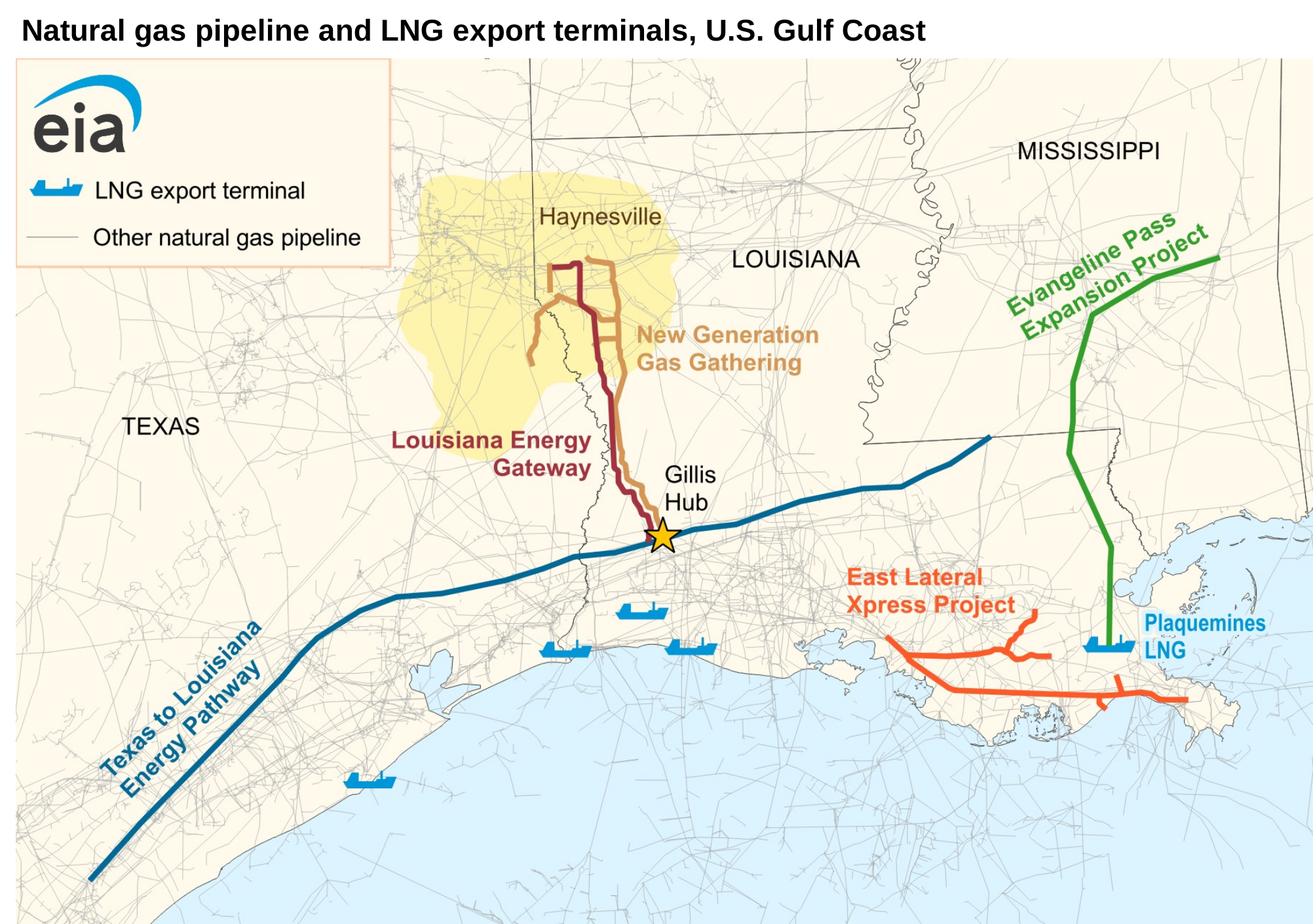
Note: LNG=liquefied natural gas
Principal contributors: Katie Dyl, Trinity Manning-Pickett, Laia Munoz-Cortijo