
Crude oil tanker rates reached multi-year highs in late 2025
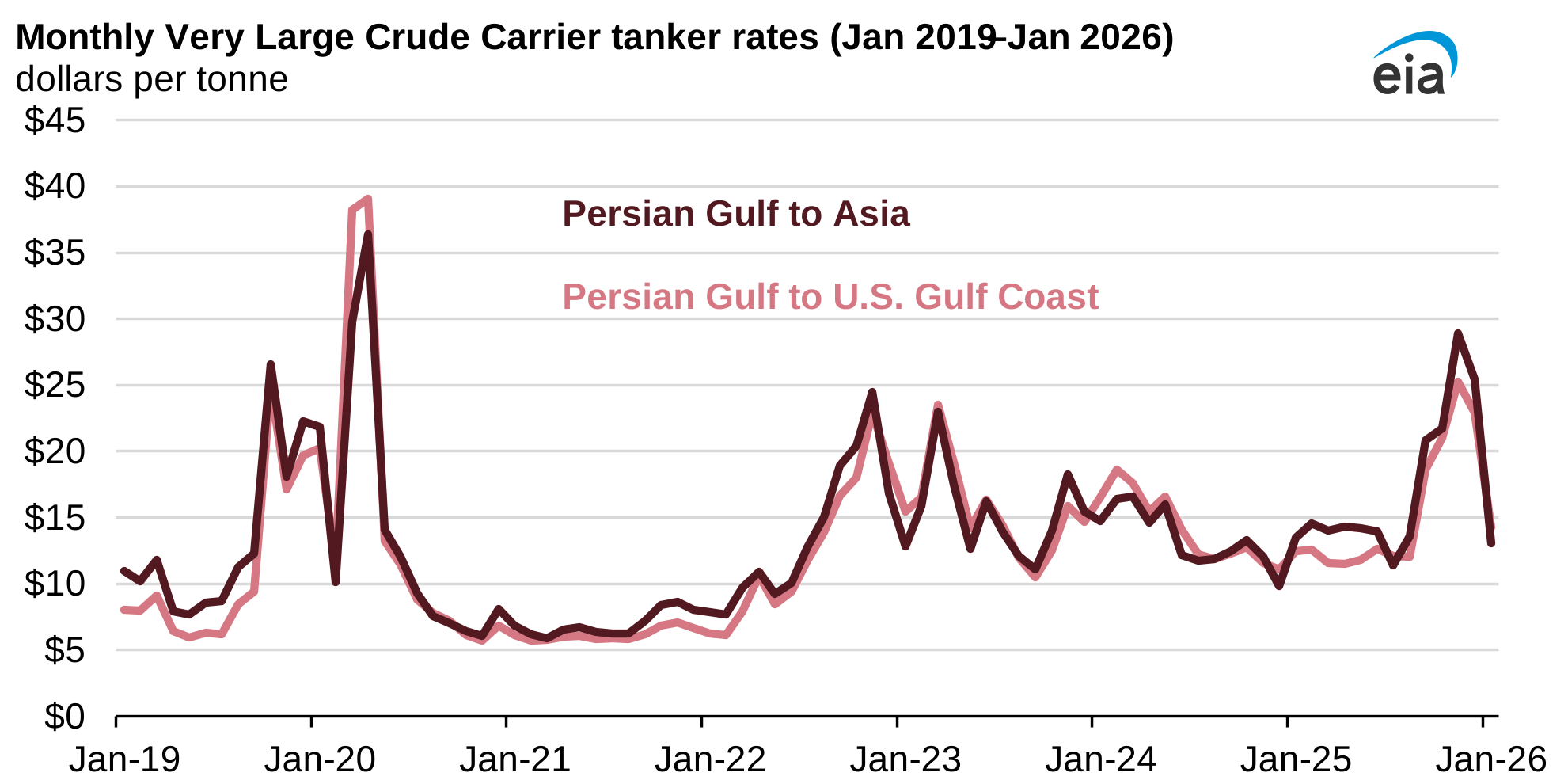
Shipping rates for crude oil tankers were at multi-year highs at the end of 2025 before falling in early 2026. Rates climbed in the fall of 2025 because of increased demand for crude oil shipments, particularly from buyers in East Asia, limiting the number of vessels available for bookings. In this analysis, we look at several key global tanker routes for Very Large Crude Carriers (VLCCs) and Suezmax tankers, including the Persian Gulf-to-Asia route and the U.S. Gulf Coast-to-Europe route.
In November 2025, VLCC rates for vessels leaving the Persian Gulf were the highest since summer 2020, while Suezmax rates were the highest since November 2022 for vessels traveling to the U.S. Gulf Coast (USGC) and since January 2023 for those bound for the Black Sea. Rates then fell for VLCCs and Suezmaxes on all routes in December heading into the new year.
VLCCs carry around 1.9 million barrels to 2.2 million barrels of crude oil and are typically used for long-haul routes. Suezmax vessels carry around 1 million barrels, are designed for medium-length routes, and are the largest vessels that can transit the Suez Canal.
Crude oil output has been high in the Persian Gulf after an increase in production from OPEC. More crude oil production subsequently lowered prices in the region, further increasing demand for crude oil from the Persian Gulf. VLCC rates grew 118% year on year in November from the Persian Gulf to the USGC. Rates from the Persian Gulf to Asia grew 139%, according to Argus.
October and November typically have high seasonal demand as countries in East Asia build up inventories for heating oil and diesel as well as agricultural demand during the harvest season in the fall. Cargo volumes from Persian Gulf countries peaked in October 2025, based on more than a decade of available data dating back to January 2016. These volumes primarily went to China, Japan, South Korea, India, and the United States, according to Vortexa.
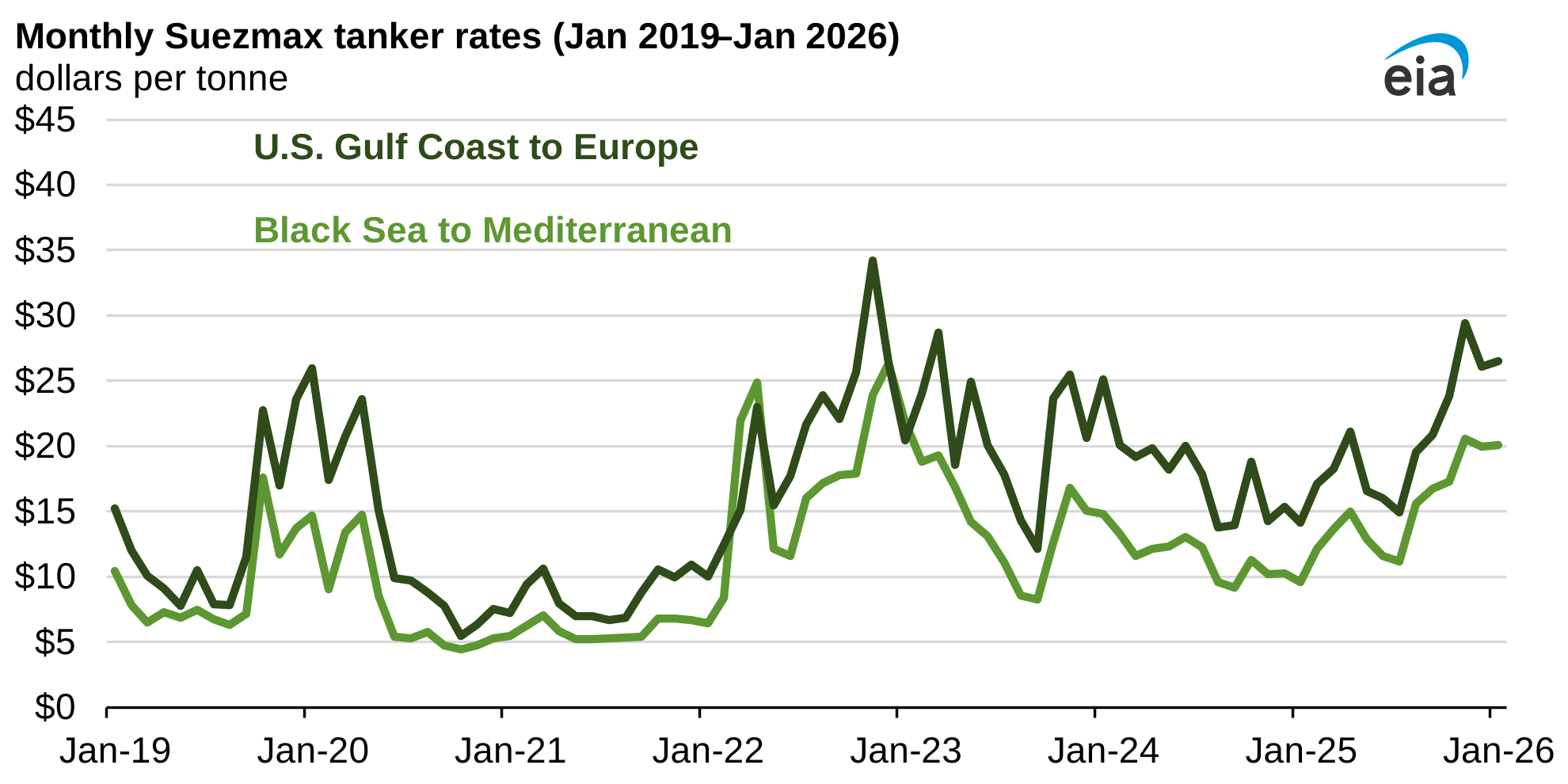
Suezmax rates subsequently increased because of higher VLCC tanker rates. When VLCC rates are exceptionally high because they are tied up on long-haul routes, shippers may opt for Suezmaxes as a more economical choice, increasing Suezmax rates as well. Suezmax rates from the USGC to Europe increased 107% from November 2024 to November 2025, and rates from the Black Sea to the Mediterranean increased 102%. Increased demand for oil in the Mediterranean and Europe increased rates for vessels leaving the USGC.
Since 2022, sanctions on Russia have limited transportation of crude oil from Russia to Europe. With the European Union’s ban on crude oil imports from Russia, Europe has increased its imports of crude oil from the USGC, thereby increasing tanker rates from the USGC to Europe. These trade shifts have also increased the average distance that crude oil needs to travel, increasing rates. New sanctions in 2025 also led to a shift in India’s import patterns by reducing imports of Russia’s crude oil from shadow fleets (vessels that operate using deceptive practices like spoofing their location, changing vessel names, or using false flags of convenience). India’s imports of Persian Gulf crude oil then increased, according to Vortexa, further tightening the market for vessels out of the Persian Gulf.
At the beginning of 2026, VLCC rates have declined due to less tanker demand, mostly related to seasonal factors. VLCC rates from the Persian Gulf to Asia fell 43% from November 2025 to January 2026, while rates from the Persian Gulf to the USGC fell 55% during the same period. Suezmax rates slightly decreased but remain at multi-year highs. Suezmax rates from the USGC to Europe fell 10%, and rates from the Black Sea to the Mediterranean fell 2%.
Principal contributor: Josh Eiermann
Tags: crude oil, oil/petroleum, liquid fuels, international