
Solar power generation drives electricity generation growth over the next two years
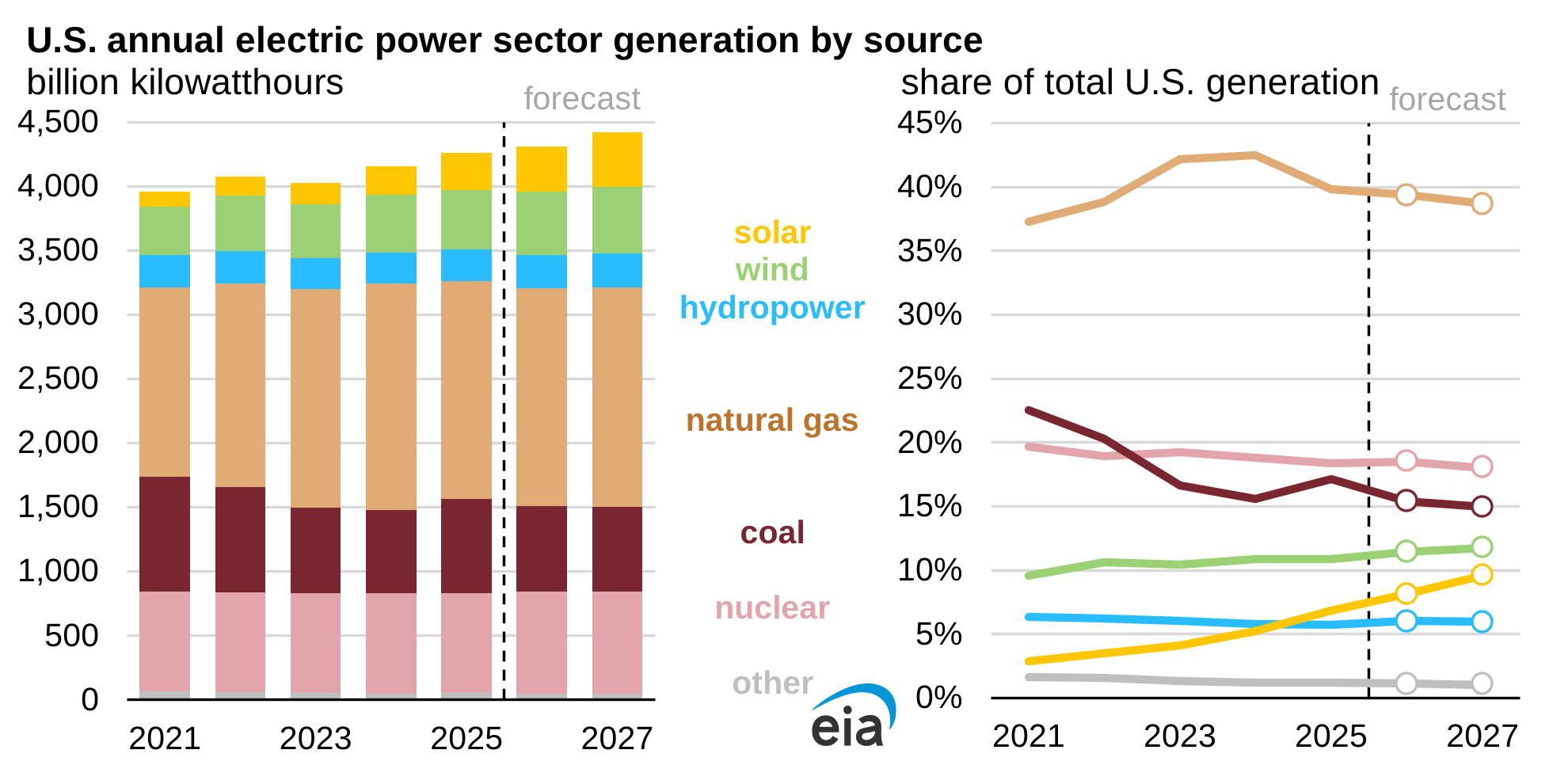
Electricity generation by the U.S. electric power sector totaled about 4,260 billion kilowatthours (BkWh) in 2025. In our latest Short-Term Energy Outlook (STEO), we expect U.S. electricity generation will grow by 1.1% in 2026 and by 2.6% in 2027, when it reaches an annual total of 4,423 BkWh. The three main dispatchable sources of electricity generation (natural gas, coal, and nuclear) accounted for 75% of total generation in 2025, but we expect the share of generation from these sources will fall to about 72% in 2027. We expect the combined share of generation from solar power and wind power to rise from about 18% in 2025 to about 21% in 2027.
In our STEO forecast, utility-scale solar is the fastest-growing source of electricity generation in the United States, increasing from 290 BkWh in 2025 to 424 BkWh by 2027. Almost 70 gigawatts (GW) of new solar generating capacity projects are scheduled to come online in 2026 and 2027, which represents a 49% increase in U.S. solar operating capacity compared with the end of 2025.
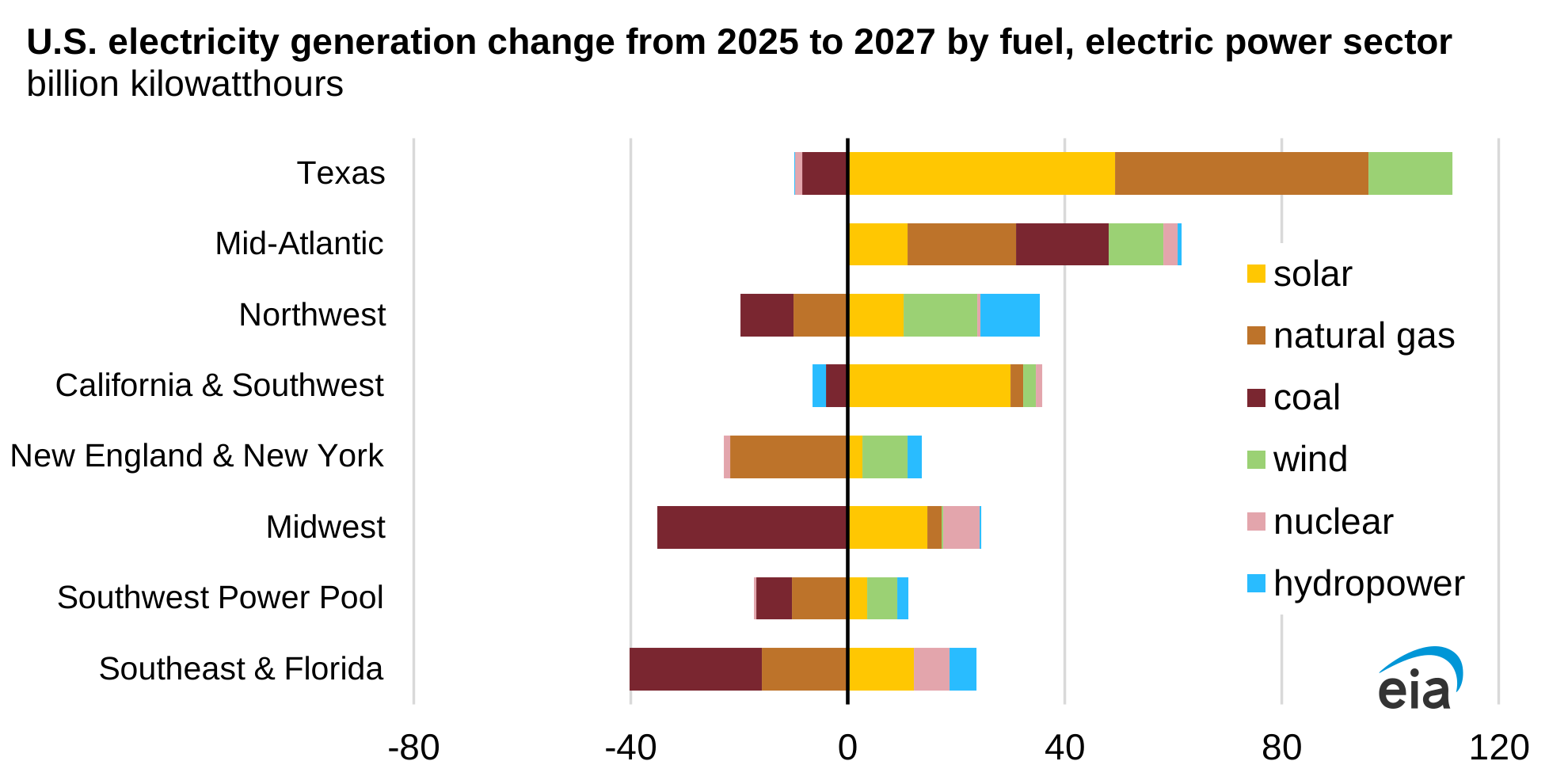
Much of the utility-scale solar generation capacity additions will come online in Texas. We expect that solar electricity generation supplied to the grid managed by the Electric Reliability Council of Texas (ERCOT) will grow from 56 BkWh in 2025 to 106 BkWh by 2027. Increasing amounts of battery storage capacity help to support the fluctuations in solar output during the day. The electric power sector plans to expand battery capacity in ERCOT from about 15 GW in 2025 to 37 GW by the end of 2027.
Wind generation has been traditionally concentrated in the central part of the country, such as in the grid operated in the Midwest by the Midcontinent Independent System Operator (MISO). However, additions of new wind generating capacity have slowed in MISO, and we expect little growth in MISO wind generation through 2027, averaging just over 100 BkWh annually. New solar plant projects are also starting up in MISO. We expect MISO solar generation to grow from 31 BkWh in 2025 to 46 BkWh in 2027.
Natural gas is the largest source of electricity in the United States; however, its contribution to total generation has been declining from a peak share of 42% in 2024. In our forecast, U.S. natural gas-fired generation totals 1,696 BkWh in 2026, about the same as in 2025, and then increases to 1,711 BkWh in 2027 as overall power demand increases. The increase in natural gas-fired generation is slower than the overall increase in total U.S. generation, and so natural gas’s share of total power generation falls to 39% in 2027 compared to 40% in 2025.
Natural gas-fired generation increases 23% in ERCOT between 2025 and 2027 and 5% in the Mid-Atlantic area of the country where the grid is managed by PJM Interconnection. The regional growth in natural gas-fired generation responds partly to the growing electricity demand from data centers.
U.S. generation fueled by coal increased by 13% in 2025 to 731 BkWh due to cold temperatures in some regions and because of relatively higher natural gas prices. With existing policies and scheduled retirements planned by plant operators, we expect that coal plant retirements will lead to U.S. coal-fired generation declining an average of 5% annually over the next two years, producing 661 BkWh in 2027. The share of coal in power generation would fall to 15% in 2027 from 17% in 2025.
Principal contributors: Tyler Hodge, Katherine Antonio