U.S. Energy Information Administration logo
Skip to sub-navigation
In-brief analysis
August 18, 2025

U.S. natural gas storage levels remain above average through injection season
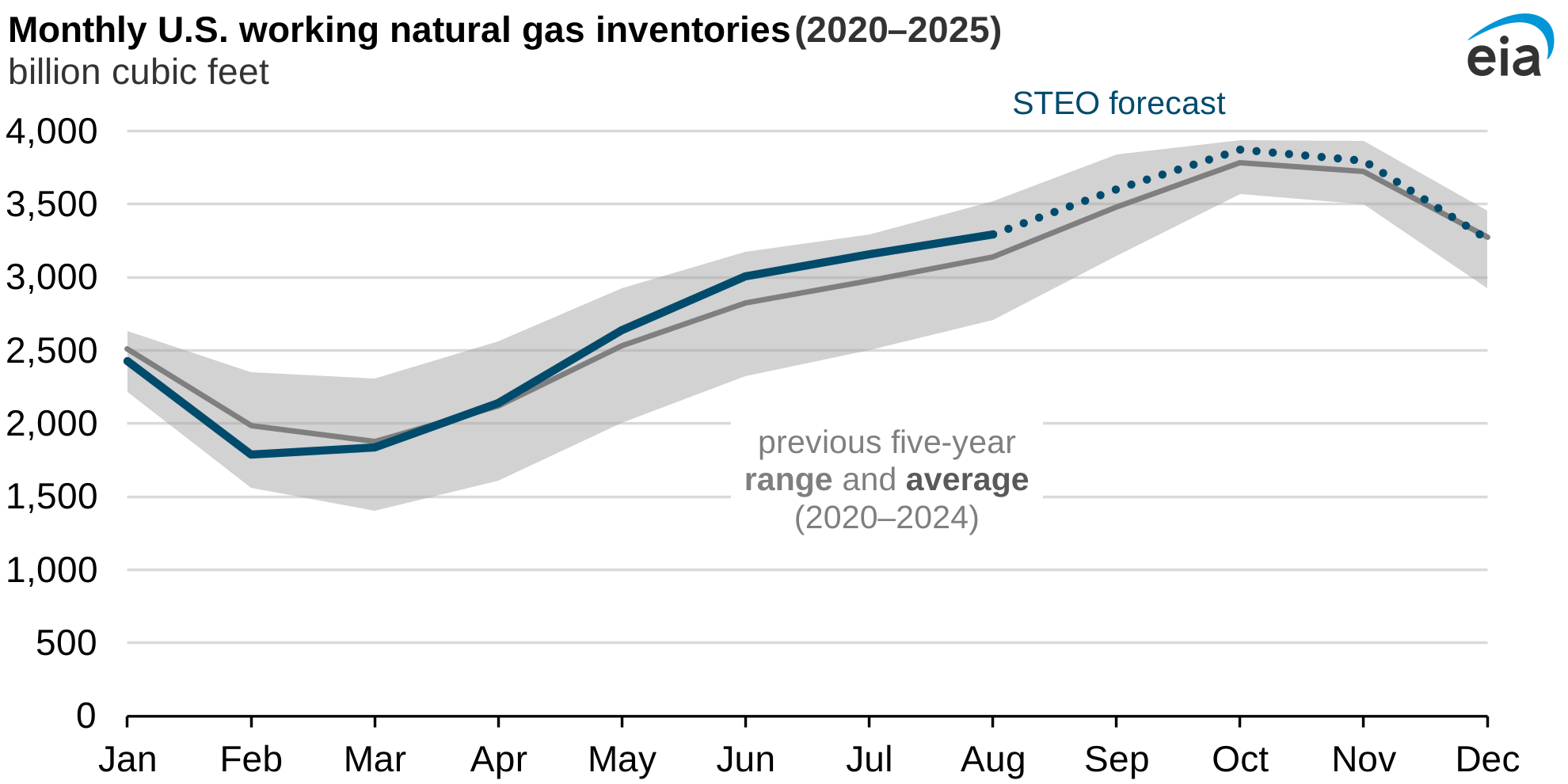
monthly U.S. working natural gas inventories

Data source: U.S. Energy Information Administration, Short-Term Energy Outlook (STEO), August 2025
Data values: U.S. Natural Gas Supply, Consumption, and Inventories

In our latest Short-Term Energy Outlook, we forecast U.S. working natural gas inventories will reach 3,872 billion cubic feet (Bcf) by the end of October, or 2% more than the previous five-year average for that time of year. Natural gas inventories grew quickly in late April through early June, with seven consecutive weeks of net injections to inventories exceeding 100 Bcf each for the first time since 2014.

U.S. natural gas production outpaced natural gas consumption during the start of the 2025 injection season. The injection season generally runs from April through October, when injections into storage are typically greater than withdrawals. The latest data from our Weekly Natural Gas Storage Report show total natural gas inventory was 7% above the five-year (2020–24) average as of August 8, compared with the start of this injection season, when it was 4% below average for the week ending March 28.
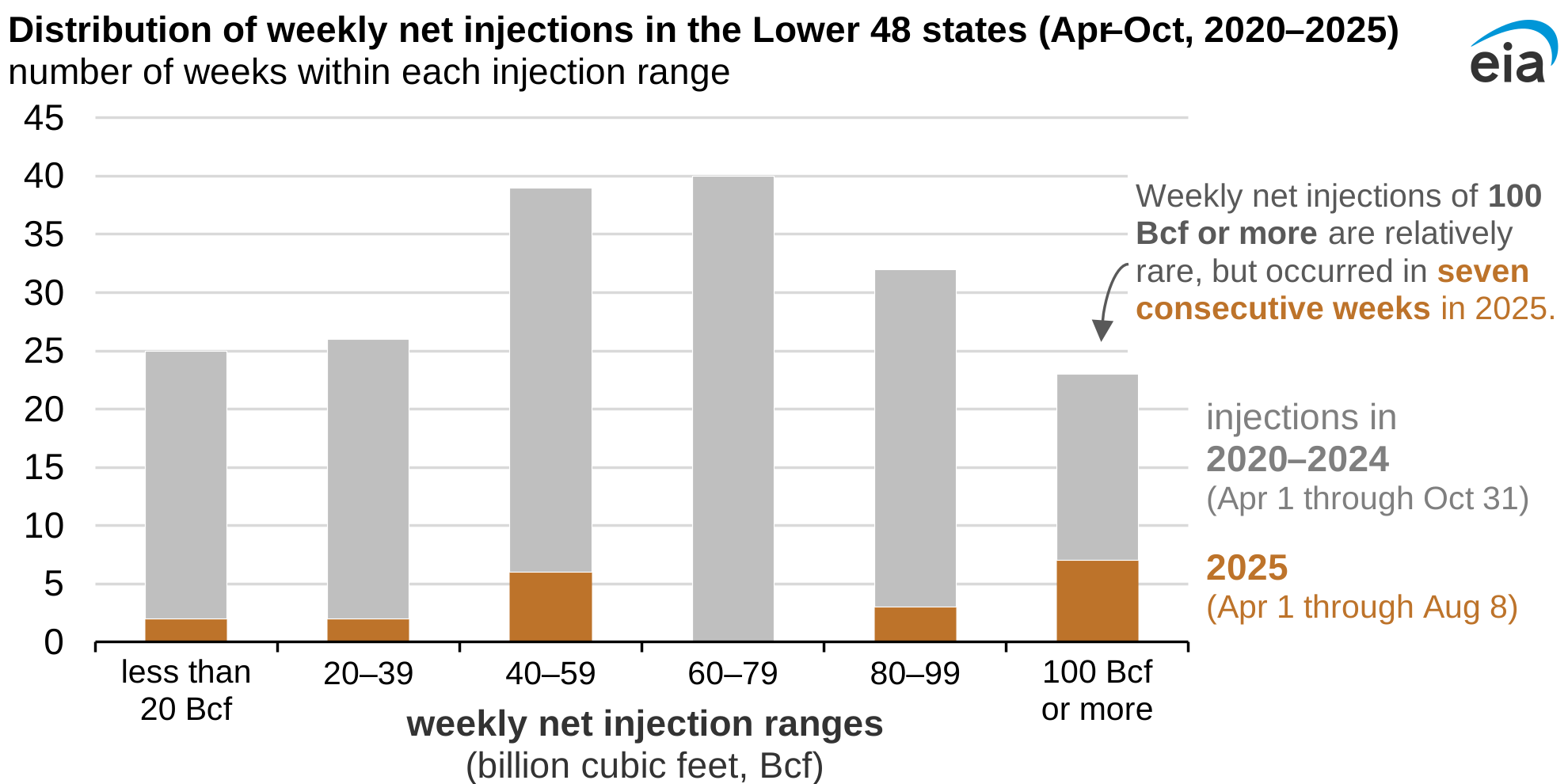
distribution of weekly net injections in the lower 48 states
Data source: U.S. Energy Information Administration, Weekly Natural Gas Storage Report; 2025 injections through the week ending August 8.

Weekly net injections exceeding 100 Bcf in the Lower 48 states generally occur in about three weeks per year, based on data for the previous five years (2020–24). In 2025, weekly net injections exceeded 100 Bcf in seven consecutive weeks, based on data through August 8. However, we expect smaller weekly injections through October as more natural gas is consumed for power generation and exported as liquefied natural gas.
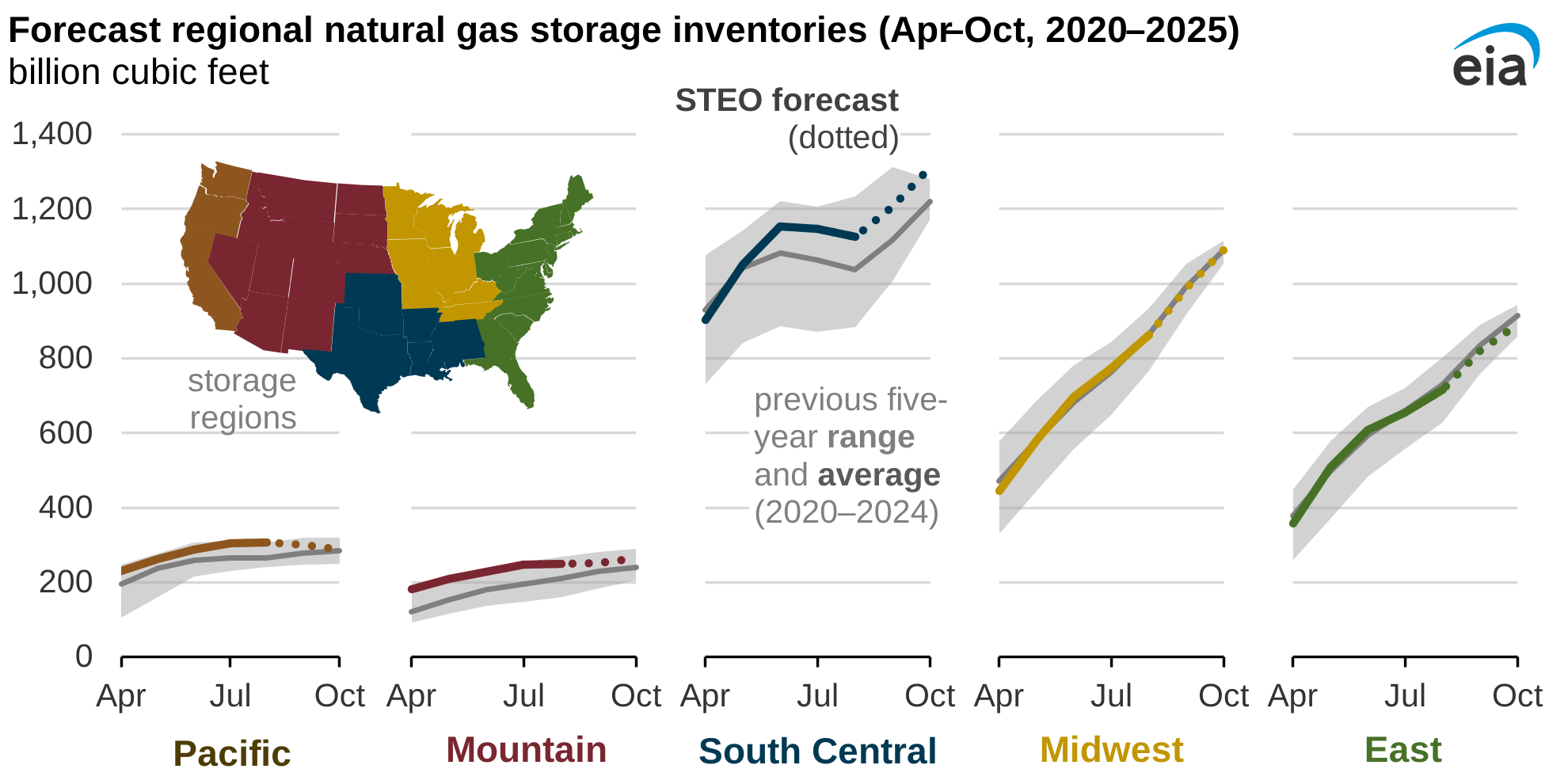
forecast regional natural gas storage inventories
Data source: U.S. Energy Information Administration, Short-Term Energy Outlook (STEO), August 2025
Data values: U.S. Natural Gas Supply, Consumption, and Inventories

The South Central, Midwest, and East storage regions contributed the most to increasing storage volumes in prior months. We forecast inventory in the South Central region will remain above the five-year average through October and end the season at the highest level since 2016. We expect inventories in all other regions will end October near their five-year average levels.

Principal contributors: Trinity Manning-Pickett, Andrew Iraola

Statistics
Analysis
Tools
Education
News

Petroleum & Other Liquids

Crude oil, gasoline, heating oil, diesel, propane, and other liquids including biofuels and natural gas liquids.

Natural Gas

Exploration and reserves, storage, imports and exports, production, prices, sales.

Electricity

Sales, revenue and prices, power plants, fuel use, stocks, generation, trade, demand & emissions.

Coal

Reserves, production, prices, employment and productivity, distribution, stocks, imports and exports.

Nuclear & Uranium

Uranium fuel, nuclear reactors, generation, spent fuel.

Renewable & Alternative Fuels

Includes hydropower, solar, wind, geothermal, biomass and ethanol.

EIA Survey Forms

Forms EIA uses to collect energy data including descriptions, links to survey instructions, and additional information.

Total Energy

Comprehensive data summaries, comparisons, analysis, and projections integrated across all energy sources.

U.S. States

State energy information, including overviews, rankings, data, and analyses.

International

International energy information, including overviews, rankings, data, and analyses.

Environment

Greenhouse gas data, voluntary reporting, electric power plant emissions.

Data Tools, Apps, & Maps

Tools to customize searches, view specific data sets, study detailed documentation, and access time-series data.

Open Data

EIA's free and open data available as API, Excel add-in, bulk files, and widgets

EIA Beta

Come test out some of the products still in development and let us know what you think!

Open Source Code

EIA's open source code, available on GitHub.

RSS Feeds

Subscribe to feeds for updates on EIA products including Today in Energy and What's New.