
U.S. manufacturing energy consumption has continued to increase since 2010 low
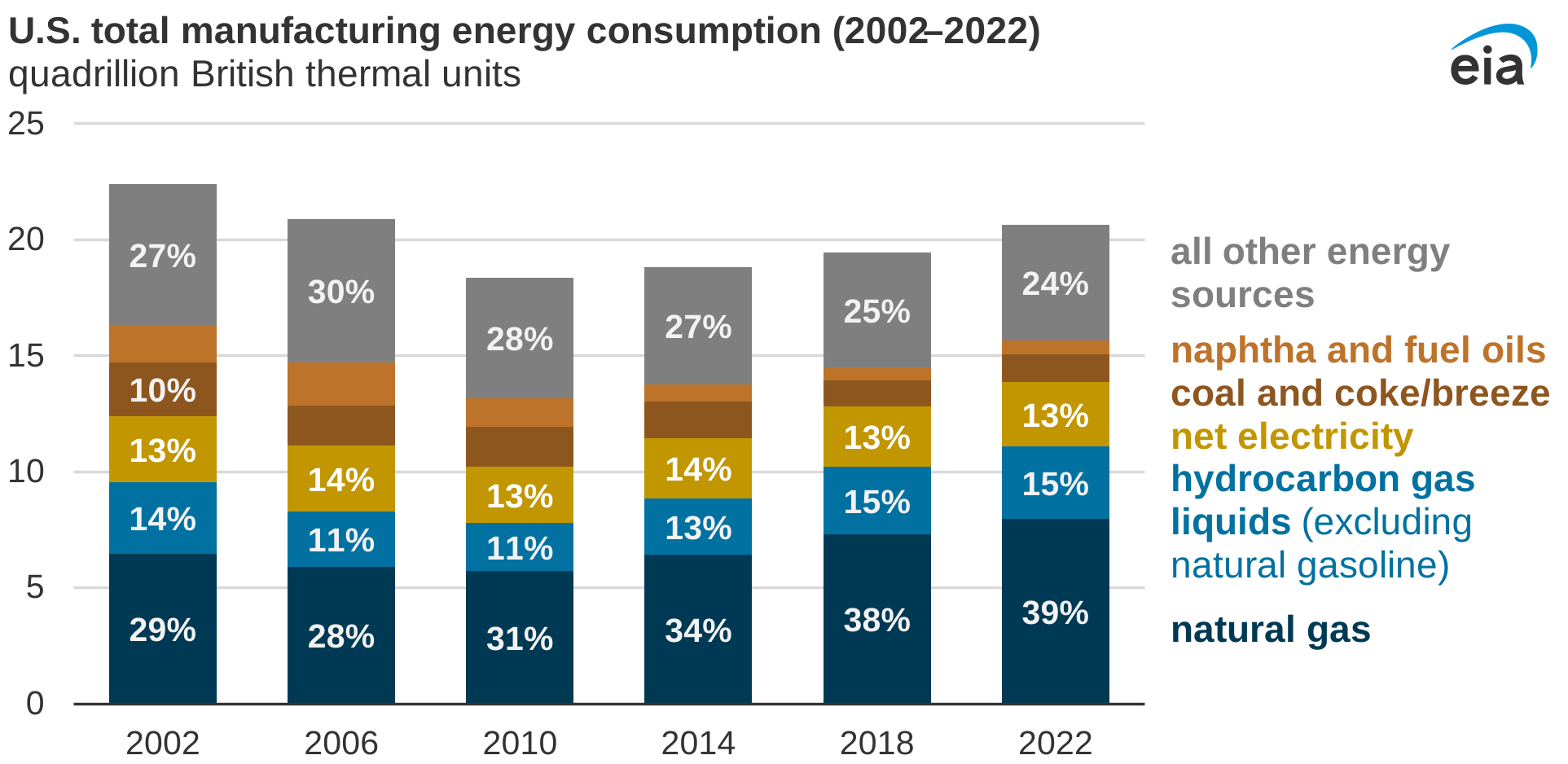
Note: Full descriptions of surveyed energy sources can be found in our glossary.
U.S. manufacturing energy consumption has continued to increase, according to our recently released survey results for 2022. We conduct the Manufacturing Energy Consumption Surveys (MECS) every four years, and the latest iteration shows the third consecutive increase in energy consumed in the manufacturing sector since a low point in 2010. Natural gas consumption in the manufacturing sector increased by more than all other energy sources combined, as compared with the previous MECS results from 2018.
MECS is a nationally representative sample survey of approximately 15,000 establishments representing 97% to 98% of the manufacturing payroll. MECS collects information on U.S. manufacturing establishments, their energy-related building characteristics, and their energy consumption and expenditures through a web-based questionnaire. MECS reports separate estimates of energy use for 79 different industry subsectors and groups across U.S. manufacturing. MECS was first conducted in 1985; the most recent survey is the 11th iteration.
Some manufacturers consume energy as both a fuel—for heat, power, and electricity generation—and as a feedstock—a nonfuel or material input. MECS uses first use, which excludes quantities of energy that were produced from other energy inputs to avoid double-counting. For example, if an establishment consumes coal to produce coke, the coal is considered first use, but not the coke.
First use of natural gas, hydrocarbon gas liquids (excluding natural gasoline), and electricity increased the most across the manufacturing sector from 2018 and 2022. By contrast, first use of petroleum coke and steam or hot water decreased.
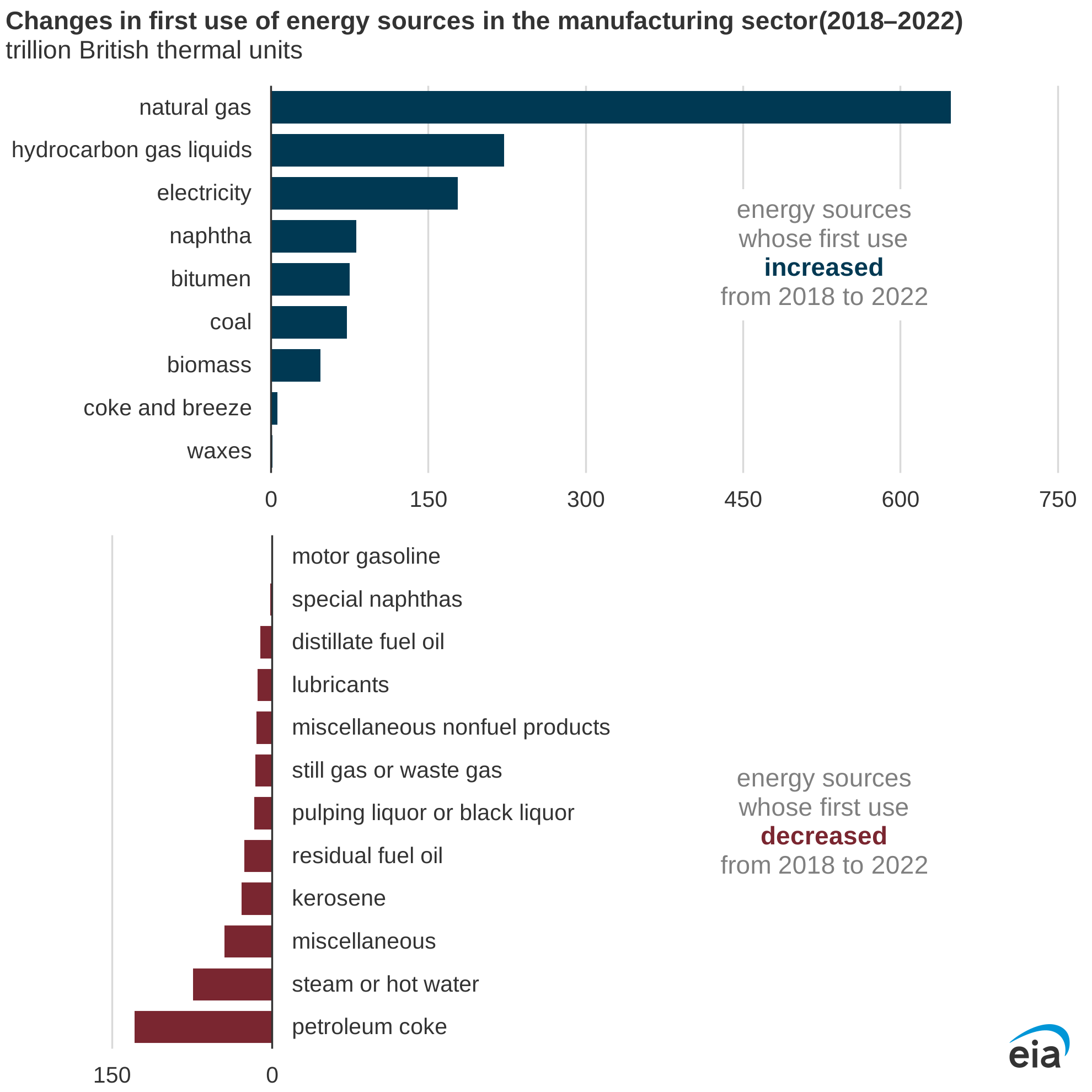
Note: The hydrocarbon gas liquids category excludes natural gasoline. We derived estimates of lubricants, special naphthas, waxes, and miscellaneous nonfuel products used in manufacturing using our U.S. Product Supplied for Crude Oil and Petroleum Products data.
This week’s initial release of MECS data is the first of several detailed manufacturing data releases we expect to publish later in 2025 and early 2026. This initial release is considered preliminary, and some data may change slightly with subsequent releases.
Among the most significant changes for the 2022 MECS is the inclusion of hydrogen estimates, which had previously been aggregated with several other energy sources. We estimate that the first use of hydrogen totaled 170 trillion British thermal units (Btu) in 2022, or more than twice as much as the first use of distillate fuel oil (81 trillion Btu).
Principal contributor: Tom Lorenz