
New transmission line connecting Hydro-Quebec to ISO-NE begins commercial operations
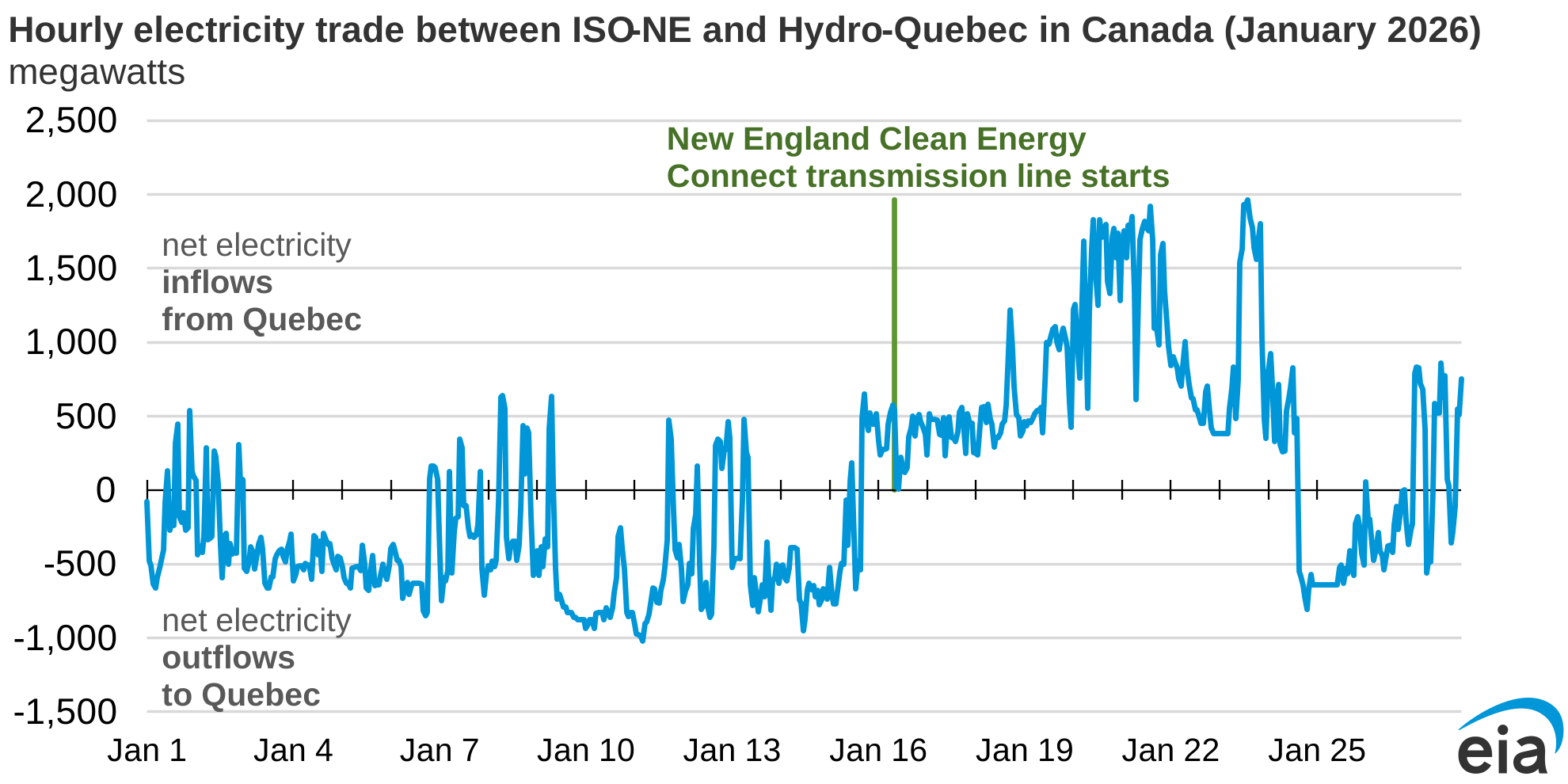
Note: Data show net electricity inflows and outflows for the hours beginning at midnight January 1, 2026, to 11:00 p.m. on January 27, 2026, eastern time. Hydro-Quebec trade flows occur at these interfaces: Highgate, Phase 2, and the New England Clean Energy Connect.
Over the past few years, Independent System Operator-New England (ISO-NE) has relied less on Canada for electricity. On January 16, 2026, the New England Clean Energy Connect (NECEC), a 1,200 megawatt (MW) transmission line project, began commercial operation. The new high-voltage direct current NECEC transmission line is primarily intended to increase the amount of hydroelectric power exported from Canada to New England. However, during Winter Storm Fern, New England exported more electricity to Canada than it imported.
After the transmission line began commercial operation, net electricity imports to ISO-NE initially increased for several days. Starting the weekend of January 24, however, an Arctic cold front covered large portions of the United States and Canada, resulting in extreme cold conditions in New England and Eastern Canada.
On January 24, power flows on NECEC stopped and largely remained offline until January 26 as Quebec limited electricity exports to meet domestic demand. Starting on January 24, electricity generation from petroleum in New England, which is used during winter periods when cold weather creates high demand for electricity, increased and surpassed generation from natural gas.
With imports from NECEC halted and generation in New England increased, ISO-NE exported more electricity to Canada than it received starting at 3:00 p.m. on January 24 through 11:00 p.m. on January 25. Between January 26 and January 27, net electricity outflows from ISO-NE to Canada decreased and trade became more balanced.
Principal contributors: Kimberly Peterson, Chris Peterson
Tags: electricity, exports/imports, hydroelectric, Canada