
Public companies produce most U.S. crude oil and natural gas
Note: Crude oil and natural gas production in barrels of oil equivalent
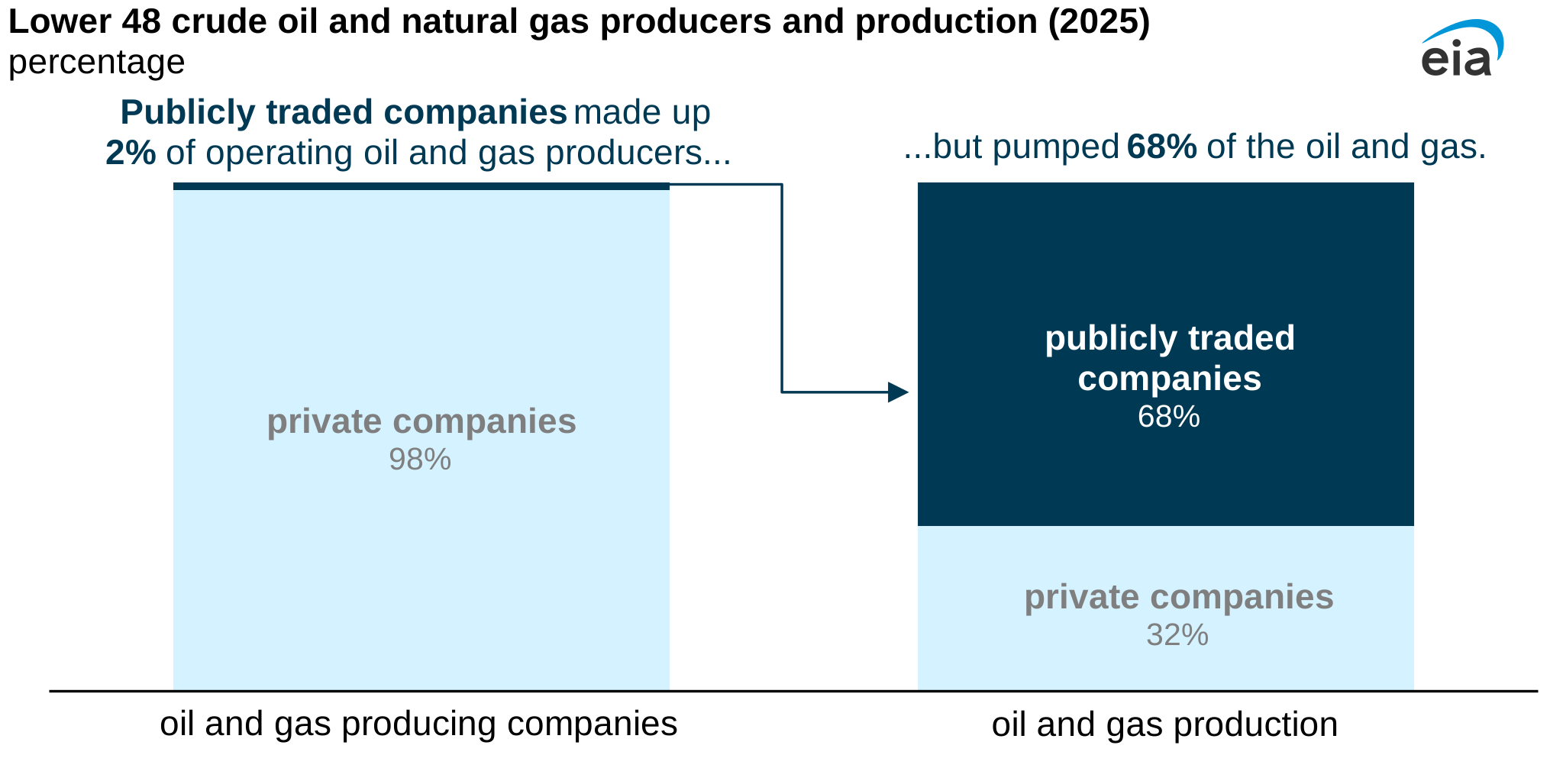
Publicly traded companies represent a tiny share of the total number of companies producing crude oil and natural gas in the United States, but they make up a large share of U.S. production. In 2025, publicly traded companies accounted for just 2% of about 12,000 oil and natural gas producers but produced 68% of the crude oil and natural gas in the Lower 48 states.
Massive scale, prime drilling locations, and advanced technologies help publicly traded oil and gas producers maintain their edge on production. Publicly traded companies generally report lower breakeven prices—the minimum price needed to cover operating costs—than privately held companies. These lower breakeven prices are driven in part by higher-quality acreage holdings that yield higher volumes of oil and gas. The immense size of the public producers also gives them economies of scale that lower the cost of production.
The 12 firms with the most wells make up less than 1% of the companies, but they each operate from 10,000 to over 50,000 wells, producing an average of 39,000 barrels of oil equivalent per day per well. In contrast, 64% of all operators have 10 or fewer wells, which are nearly all stripper wells, producing less than 15 barrels of oil equivalent per day.
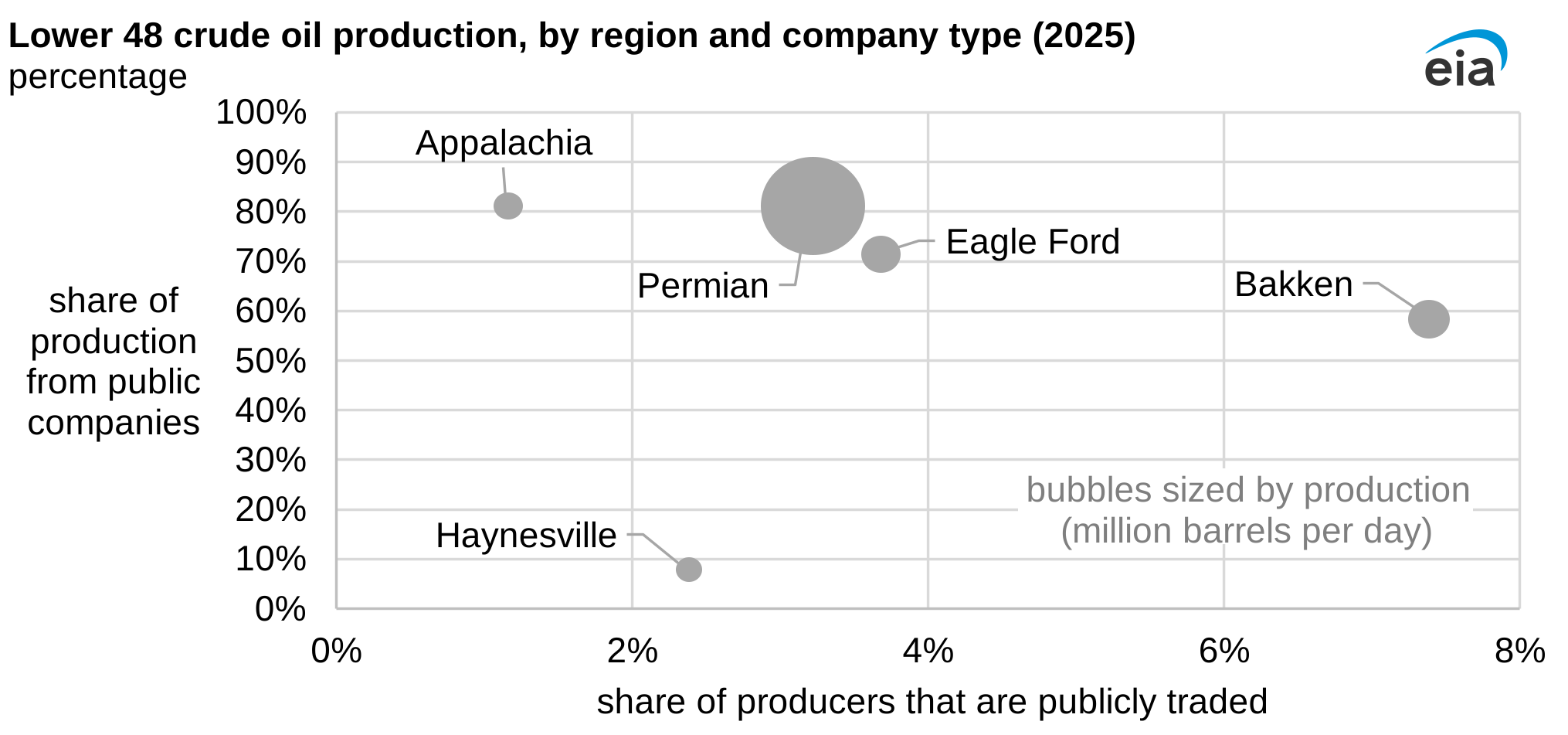
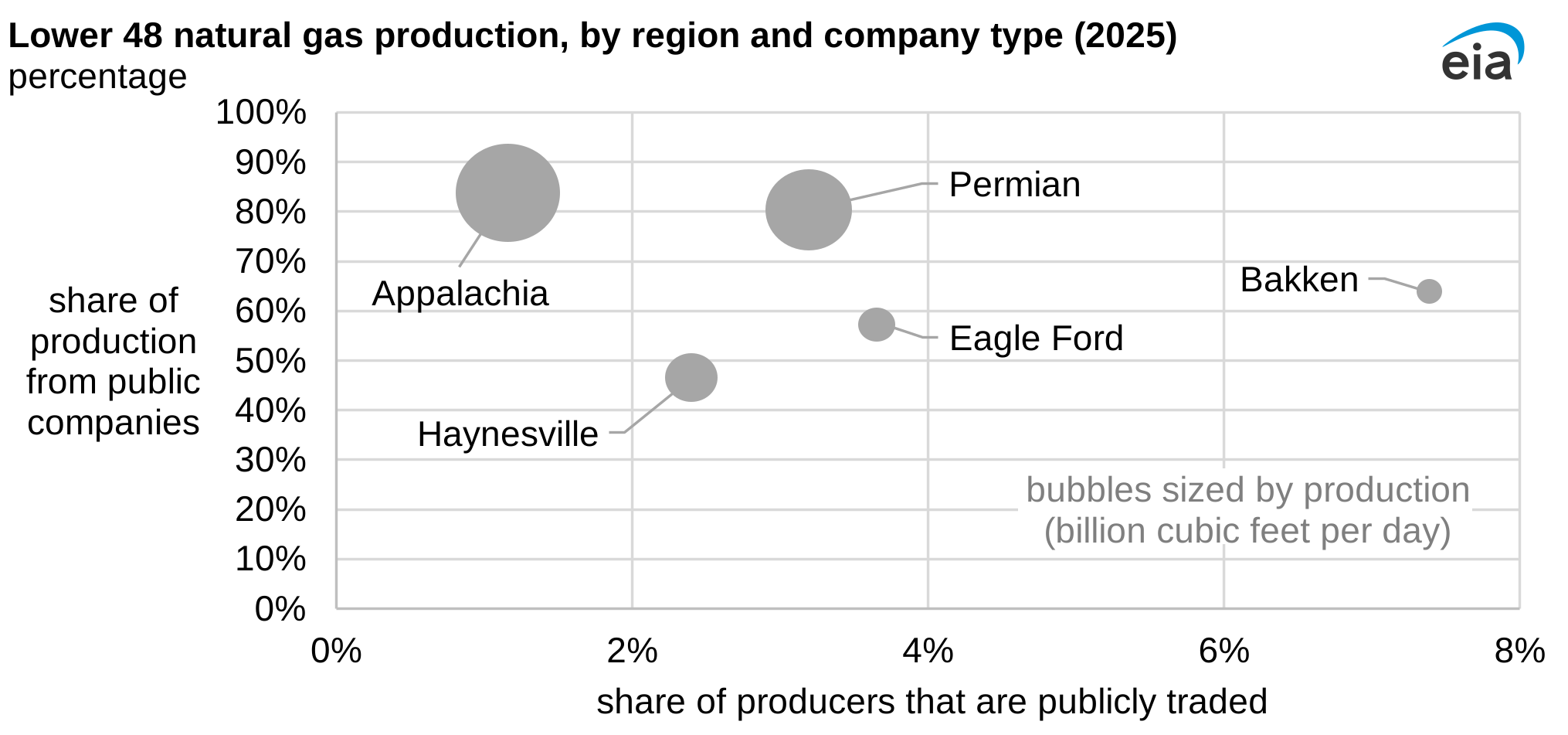
Of the five major producing regions in the Lower 48 states, the public company share of production is the highest in the Appalachia and Permian regions. In the Appalachia region, located in the Northeast United States, public companies produce nearly five times as much oil and natural gas as private companies, despite accounting for only 1% of the active operators in these regions.
Similarly, in the Permian region, located in New Mexico and Texas, public companies represent only 3% of active operators in the region, yet collectively produce four times as much as private companies.
Source: Enverus
Source: Enverus
The outlier is the natural gas-rich Haynesville region, which straddles Texas and Louisiana. It’s the only major U.S. producing region where private companies account for the majority (55%) of oil and natural gas production.
In the Haynesville, production is concentrated among the largest private producers. The top five private natural gas operators alone produced 38%, or 5.8 billion cubic feet per day, of the region's natural gas output. The top five private crude oil producers accounted for 30% of the region's crude oil production (10,000 barrels per day).
Principal contributors: Trinity Manning-Pickett, Troy Cook
Tags: crude oil, natural gas