
U.S. developers report half of new electric generating capacity will come from solar
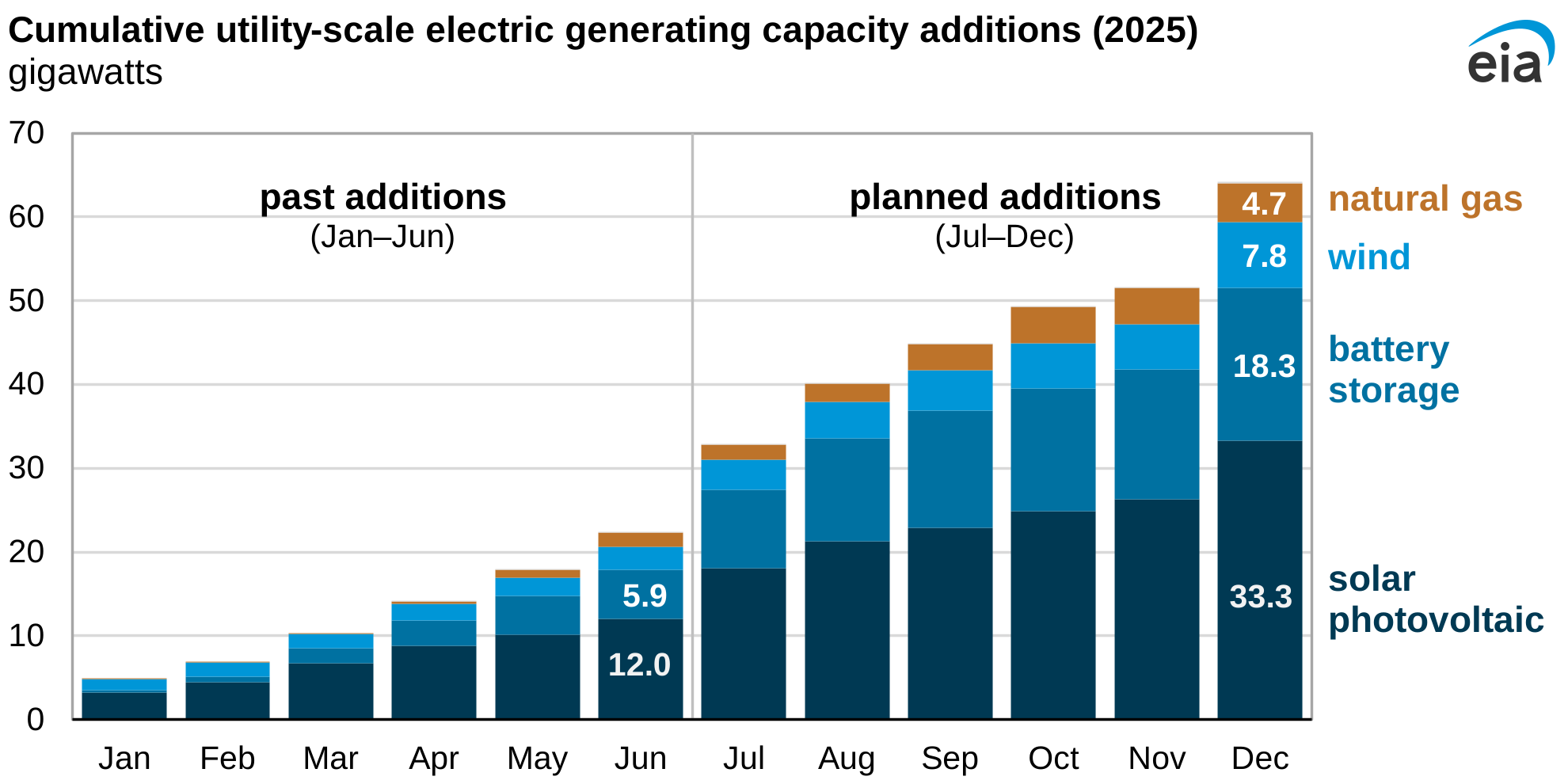
Developers added 12 gigawatts (GW) of new utility-scale solar electric generating capacity in the United States during the first half of 2025, and they plan to add another 21 GW in the second half of the year, according to our latest survey of electric generating capacity changes. If those plans are realized, solar would account for more than half of the 64 GW that developers plan to bring online this year. Battery storage, wind, and natural gas power plants account for virtually all of the remaining capacity additions for 2025.
Developers could set a record for capacity additions if all 64 GW come online this year. The previous record for U.S. generating capacity additions was set in 2002, when developers added 58 GW to the grid, 57 GW of which was fueled by natural gas. Although developers have added natural gas-fired capacity each year since then, other technologies such as wind, solar, and battery storage have become more prevalent options for new capacity.
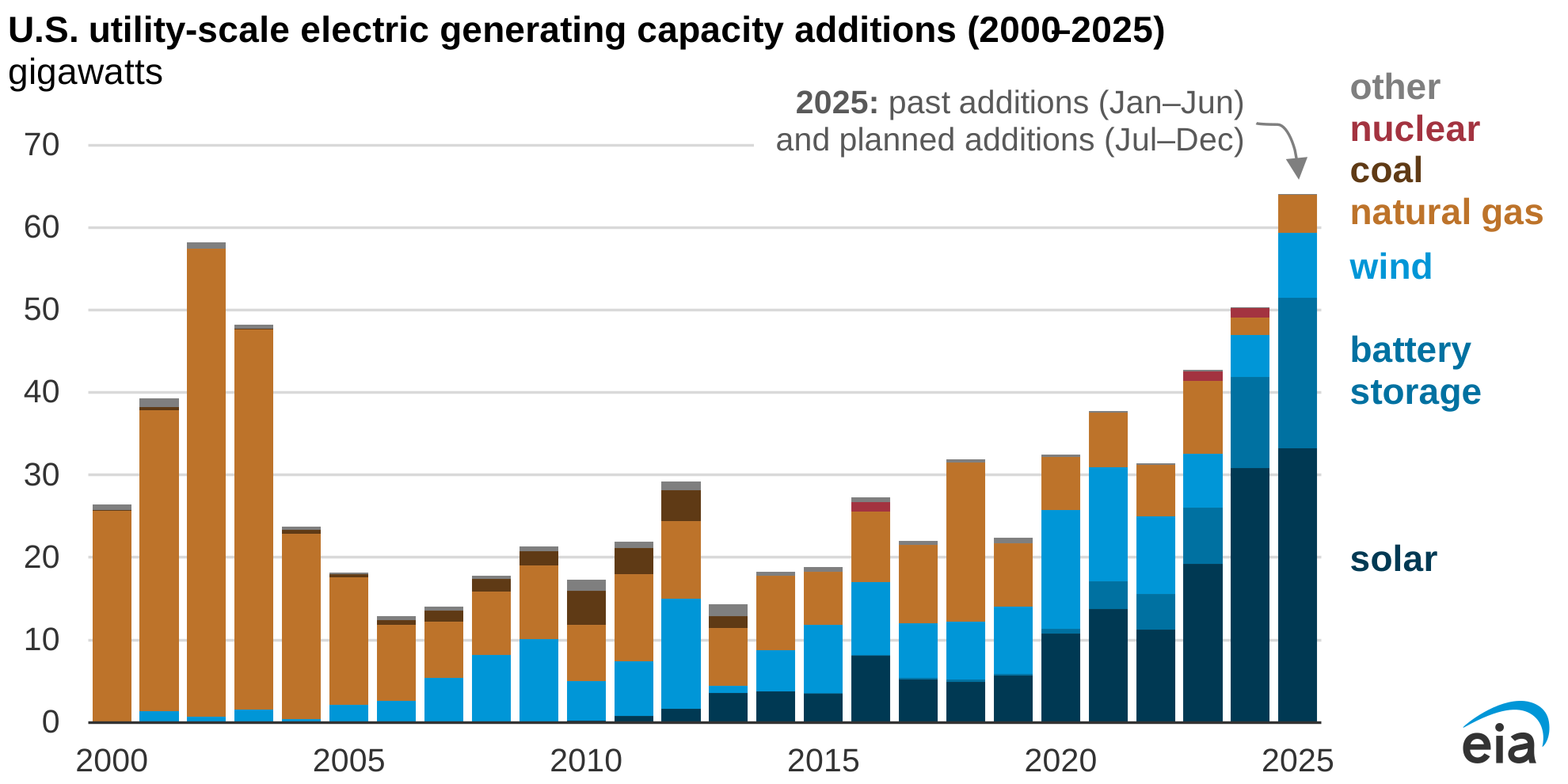
If planned capacity additions for solar photovoltaic and battery storage capacities are realized, both technologies will add more capacity than in any previous year. For both technologies, this growth is largely attributable to changes occurring in Texas.
About 27% (3.2 GW) of the solar capacity added so far in 2025 is in Texas, and developers plan to bring another 9.7 GW of solar online in Texas in the second half of this year. Last year, Texas surpassed California as the state with the most utility-scale solar capacity.
Battery storage accounted for the second-largest share of capacity additions in the first half of the year, at 26% (5.9 GW), about half of which was in Arizona or California. Developers in Texas are expecting to bring 7.0 GW of battery storage capacity online in 2025, with much of that capacity coming online in the second half of the year.
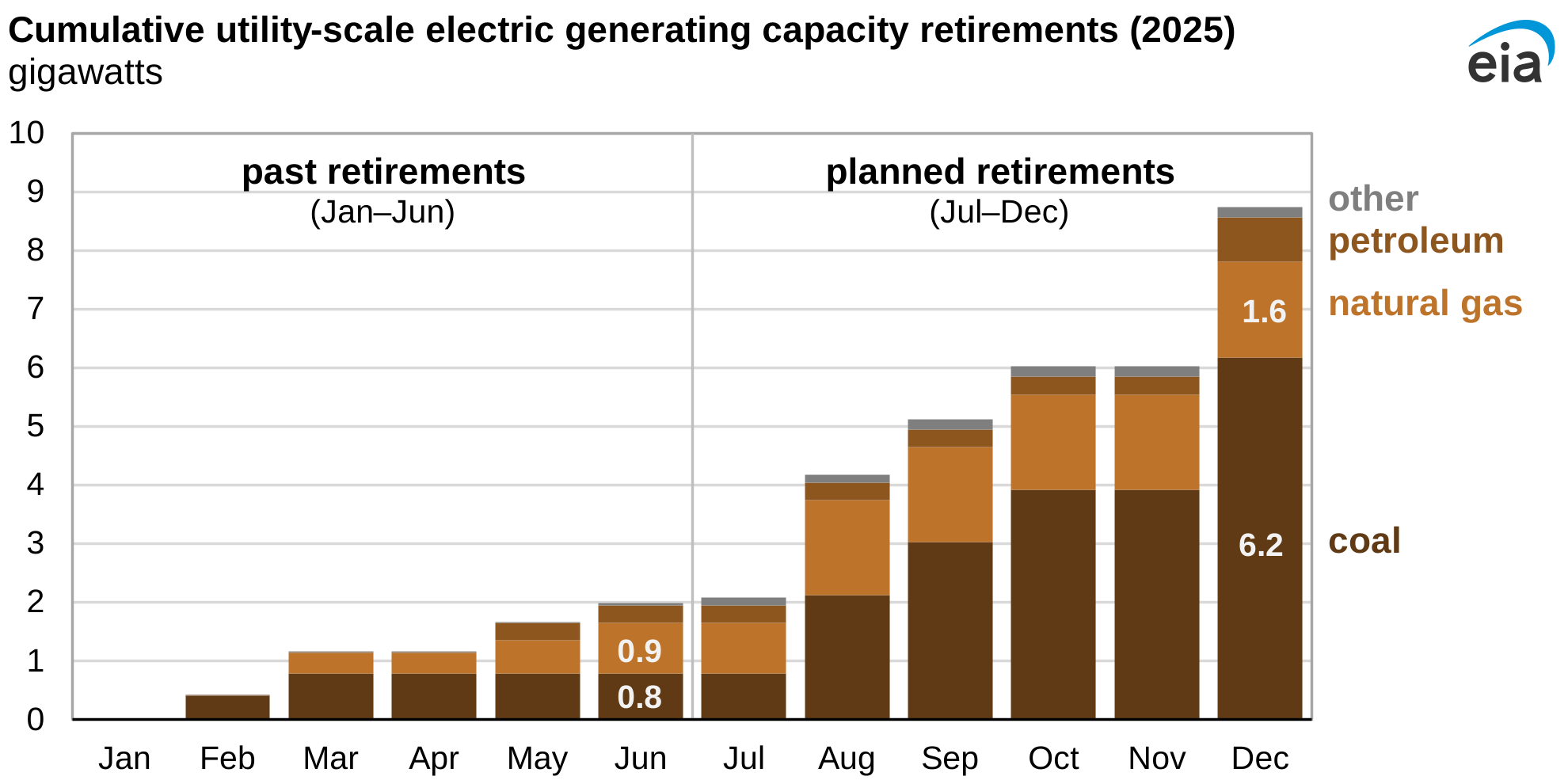
Developers retired relatively little generating capacity in the first half of 2025. Of the 8.7 GW of electric generating capacity that U.S. operators plan to retire during 2025, only 2.0 GW was retired in the first half of the year. Compared with the planned 2025 capacity retirements reported at the beginning of the year, more than 3.6 GW has now been delayed or canceled, including plans to retire the coal-fired Units 1 and 2 of Brandon Shores (1.3 GW) and oil-fired Units 3 and 4 of Herbert A Wagner (0.7 GW) in Maryland as well as the natural gas-fired Units 1, 2, and 3 of the V H Braunig plant (0.9 GW) in Texas. If current retirement intentions are realized, coal-fired power plants will account for 71% of the retired capacity this year, followed by natural gas (19%).
Principal contributors: Office of Energy Statistics staff
Tags: electricity, generation, capacity, solar, natural gas, wind, storage, retirements