U.S. Energy Information Administration logo
Skip to sub-navigation
In-brief analysis
January 30, 2025

U.S. nuclear generators import nearly all the uranium concentrate they use
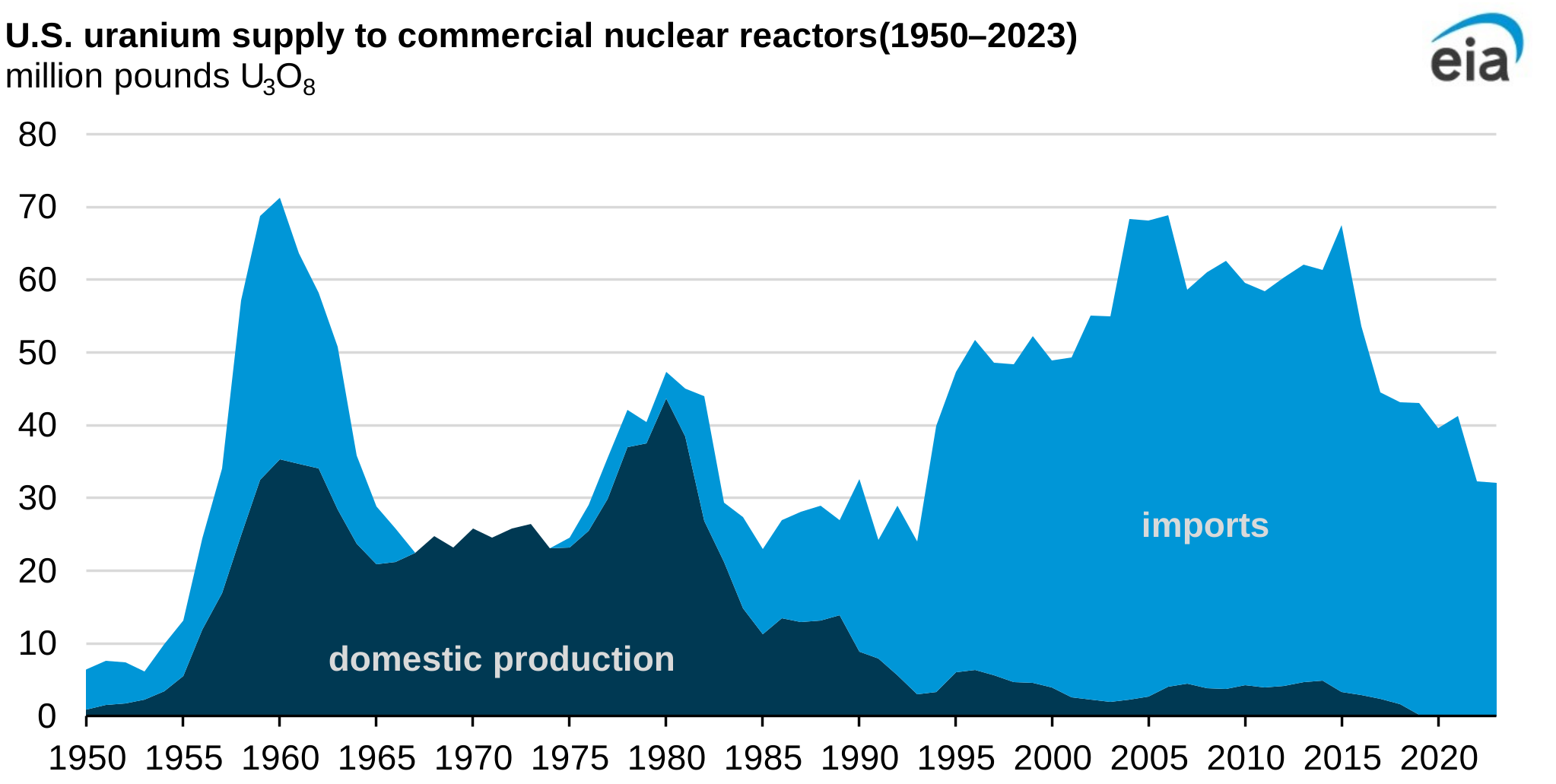
U.S. uranium supply to commercial nuclear reactors

Data source: U.S. Energy Information Administration, Monthly Energy Review, Domestic Uranium Production Report, and Uranium Marketing Annual Report

In 2023, U.S. nuclear generators used 32 million pounds of imported uranium concentrate (U3O8) and only 0.05 million pounds of domestically produced U3O8. Imports accounted for 99% of the U3O8 they used in 2023 to make nuclear fuel. Foreign producers predominantly supply the U.S. front-end nuclear fuel cycle, but federal policies have been implemented recently to build out the domestic U.S. nuclear fuel supply chain. The U.S. Department of Energy (DOE) recently received $2.7 billion in congressional funding to help revive domestic fuel production for commercial nuclear power plants.

U3O8 is chemically extracted from uranium ore that has been mined and milled. The fine powder is packaged in steel drums and later enriched and processed further to prepare it for use as fuel in nuclear reactors. U.S. production of U3O8 in the third quarter of 2024 totaled 121,296 pounds, a 24% increase from production of 97,709 pounds in the second quarter. Production in the third quarter occurred at five U.S. facilities: three in Wyoming (Nichols Ranch ISR Project, Lost Creek Project, and Smith Ranch-Highland Operation) and two in Texas (Alta Mesa Project and Rosita).

In 2023, the United States imported U3O8 and equivalents primarily from Canada, Australia, Russia, Kazakhstan, and Uzbekistan. The origin of U3O8 used in U.S. nuclear reactors could change in the coming years. In May 2024, the United States banned imports of uranium products from Russia beginning in August, although companies may apply for waivers through January 1, 2028.
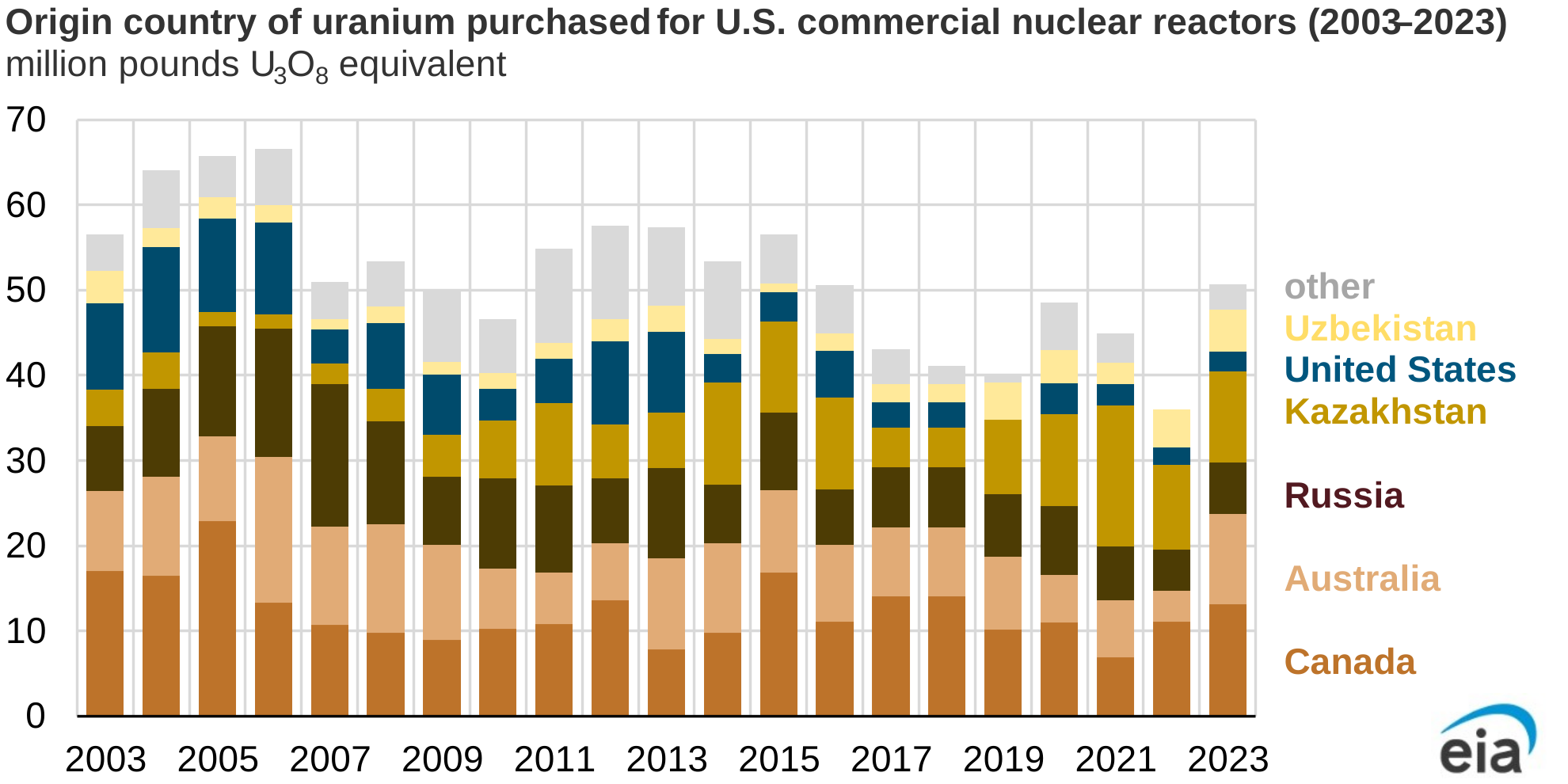
origin country of uranium purchased for U.S. commercial nuclear reactors
Data source: U.S. Energy Information Administration, Monthly Energy Review, Domestic Uranium Production Report, and Uranium Marketing Annual Report

More information regarding U.S. uranium production and sourcing is available in our Domestic Uranium Production Report and Uranium Marketing Annual Report.

Principal contributor: Slade Johnson
Data visualization: Kristen Tsai

Statistics
Analysis
Tools
Education
News

Petroleum & Other Liquids

Crude oil, gasoline, heating oil, diesel, propane, and other liquids including biofuels and natural gas liquids.

Natural Gas

Exploration and reserves, storage, imports and exports, production, prices, sales.

Electricity

Sales, revenue and prices, power plants, fuel use, stocks, generation, trade, demand & emissions.

Coal

Reserves, production, prices, employment and productivity, distribution, stocks, imports and exports.

Nuclear & Uranium

Uranium fuel, nuclear reactors, generation, spent fuel.

Renewable & Alternative Fuels

Includes hydropower, solar, wind, geothermal, biomass and ethanol.

EIA Survey Forms

Forms EIA uses to collect energy data including descriptions, links to survey instructions, and additional information.

Total Energy

Comprehensive data summaries, comparisons, analysis, and projections integrated across all energy sources.

U.S. States

State energy information, including overviews, rankings, data, and analyses.

International

International energy information, including overviews, rankings, data, and analyses.

Environment

Greenhouse gas data, voluntary reporting, electric power plant emissions.

Data Tools, Apps, & Maps

Tools to customize searches, view specific data sets, study detailed documentation, and access time-series data.

Open Data

EIA's free and open data available as API, Excel add-in, bulk files, and widgets

EIA Beta

Come test out some of the products still in development and let us know what you think!

Open Source Code

EIA's open source code, available on GitHub.

RSS Feeds

Subscribe to feeds for updates on EIA products including Today in Energy and What's New.