
The United States begins the winter with the most natural gas in storage since 2020
Note: Data for October 31, 2023, are interpolated, based on the Weekly Natural Gas Storage Report.
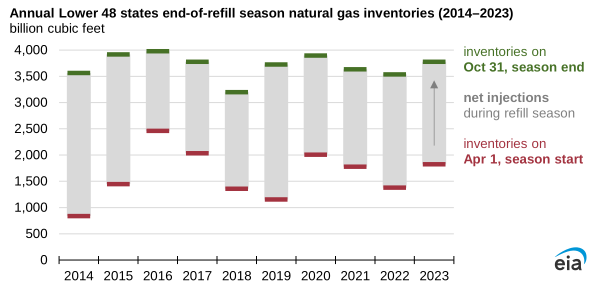
Working natural gas in storage in the Lower 48 United States ended the natural gas injection season at 3,776 billion cubic feet (Bcf), according to estimates based on data from our Weekly Natural Gas Storage Report released on November 16. The Lower 48 states will enter the winter heating season, which runs from November 1–March 30, with the most natural gas in storage since 2020. In addition, we now have 5% more natural gas in U.S. inventories entering the winter heating season than the previous five-year (2018–22) average, and 7% more than last October 31.
The large volume of gas in storage today is partially the result of a mild 2022–23 heating season. Working natural gas inventories totaled 1,823 Bcf on April 1, 2023, or 19% more than the average U.S. April 1 total for the previous five years. Relatively full inventories at the start of the summer injection season means that storage operators can reach their end-of-season targets with smaller natural gas injections. Net additions to working U.S. natural gas inventories totaled 1,953 Bcf during the injection season, about 5% less than the five-year average and 9% less than in 2022.
U.S. natural gas inventories climbed quickly in the spring and early summer. During that time, net injections of natural gas into storage exceeded the five-year average as the storage surplus grew from 298 Bcf on March 31 and peaked at 370 Bcf during the week ending June 30. For the next 11 consecutive weeks, net injections were below the five-year average, reaching a low of 163 Bcf during the week ending October 6.
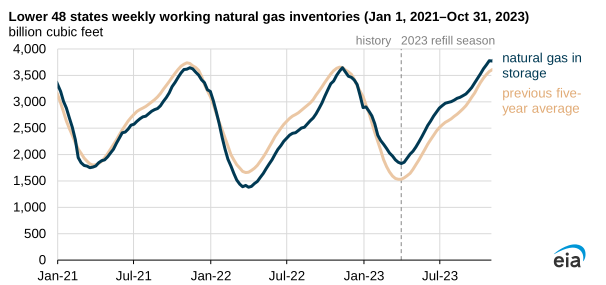
Although the end of the U.S. natural gas storage injection season is traditionally defined as October 31, net injections often occur in November. Working natural gas storage peaked at 3,836 Bcf in 2023, during the week ending November 24—303 Bcf above the five-year average.
Principal contributor: Jose Villar
Tags: natural gas, storage, weather, inventories/stocks