
Less than one-third of U.S. commercial buildings were all-electric in 2018
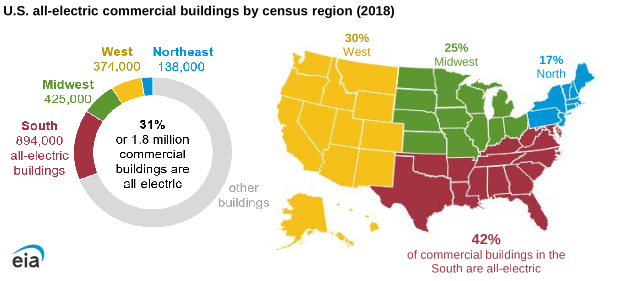
Note: All-electric includes buildings that consumed only electricity for all end uses except electricity generation.
Fewer than one-third of U.S. commercial buildings were all-electric in 2018, and all-electric commercial buildings were most prevalent in the South, according to data from our Commercial Buildings Energy Consumption Survey (CBECS). As of 2018, 31%, or 1.8 million commercial buildings, were all-electric nationwide.
Nearly half of all-electric U.S. buildings were concentrated in a single census region, the South. The South had more commercial buildings than any other region, and those buildings were less likely than those in other regions to use natural gas for space heating. Almost one-quarter of commercial buildings in the Northeast used fuel oil for space heating, which is rare in other regions. Only 8% of U.S. all-electric buildings, 138,000, were in the Northeast.
Buildings can be classified as all-electric in different ways. All-electric buildings are defined here as buildings that consumed only electricity for end uses that electricity can perform, such as space heating, cooling, water heating, and cooking. Other energy sources such as solar, natural gas, and fuel oil may have been consumed for on-site electricity generation.
Despite all-electric buildings accounting for 31% of the commercial U.S. building stock, all-electric buildings totaled only 18% of total U.S. commercial floorspace in 2018. On average, all-electric buildings were 9,700 square feet, or 40% smaller than the average U.S. commercial building.
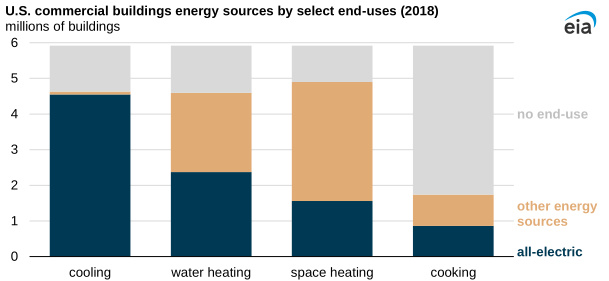
Space heating, cooling, water heating, and cooking are major end uses in commercial buildings that can be all-electric or use other sources. Most commercial buildings had space heating (83%), but less than one-third of buildings used only electricity for space heating. In contrast, 78% of commercial buildings had space cooling and 99% of those buildings used only electricity for cooling. Other cooling energy sources included district chilled water and natural gas.
The energy source used for space heating affects the type of heating equipment used. In 2018, packaged heating units and furnaces were the most common type of heating equipment in commercial buildings. However, heat pumps were the second-most common equipment type when only electricity was used for space heating. Nearly one-quarter of U.S. commercial buildings heated only by electricity used a heat pump in 2018.
CBECS is the only nationally representative survey that collects information about U.S. building characteristics and energy use in commercial buildings. The CBECS process spans more than four years, from developing the sample frame and survey questionnaire to releasing data to the public. We released our final 2018 CBECS data in December 2022. You can learn more about buildings that use only electricity for select end uses by reviewing our new tables.
Principal contributors: Stacy Angel, Joelle Michaels