
U.S. electricity generation from renewables surpassed coal in April
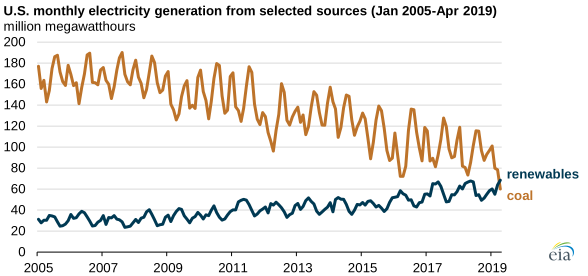
In April 2019, U.S. monthly electricity generation from renewable sources exceeded coal-fired generation for the first time based on data in EIA’s Electric Power Monthly. Renewable sources provided 23% of total electricity generation to coal’s 20%. This outcome reflects both seasonal factors as well as long-term increases in renewable generation and decreases in coal generation. EIA includes utility-scale hydropower, wind, solar, geothermal, and biomass in its definition of renewable electricity generation.
In the United States, overall electricity consumption is often lowest in the spring and fall months because temperatures are more moderate and electricity demand for heating and air conditioning is relatively low. Consequently, electricity generation from fuels such as natural gas, coal, and nuclear is often at its lowest point during these months as some generators undergo maintenance.
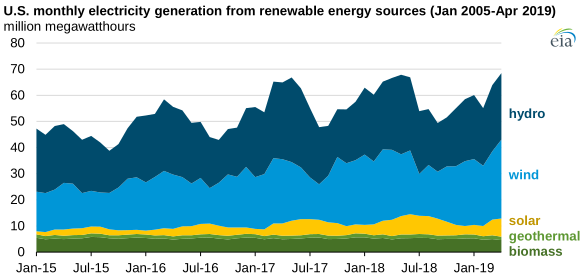
Record generation from wind and near-record generation from solar contributed to the overall rise in renewable electricity generation this spring. Electricity generation from wind and solar has increased as more generating capacity has been installed. In 2018, about 15 gigawatts (GW) of wind and solar generating capacity came online.
Wind generation reached a record monthly high in April 2019 of 30.2 million megawatthours (MWh). Solar generation—including utility-scale solar photovoltaics and utility-scale solar thermal—reached a record monthly high in June 2018 of 7.8 million MWh and will likely surpass that level this summer.
Seasonal increases in hydroelectric generation also helped drive the overall increase in renewable generation. Conventional hydroelectric generation, which remains the largest source of renewable electricity in most months, totaled 25 million MWh in April. Hydroelectric generation tends to peak in the spring as melting snowpack results in increased water supply at downstream generators.
U.S. coal generation has declined from its peak a decade ago. Since the beginning of 2015, about 47 GW of U.S. coal-fired capacity has retired, and virtually no new coal capacity has come online. Based on reported plans for retirements, EIA expects another 4.1 GW of coal capacity will retire in 2019, accounting for more than half of all anticipated power plant retirements for the year.
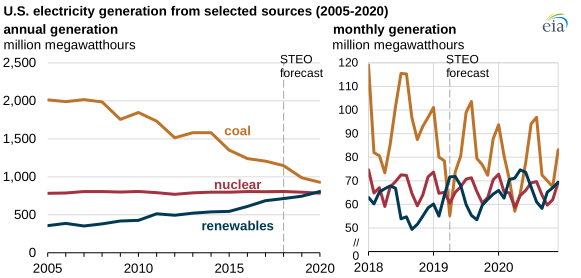
According to forecasts in EIA’s latest Short-Term Energy Outlook, coal will provide more electricity generation than renewables in the United States for the remaining months of 2019. On an annual average basis, EIA expects that coal will provide more electricity generation in the United States than renewables in both 2019 and 2020, but it expects renewables to surpass nuclear next year.
Principal contributor: Patricia Hutchins
Tags: generation, coal, electricity, renewables