
Waterborne shipments from the U.S. Gulf Coast increased in April and May
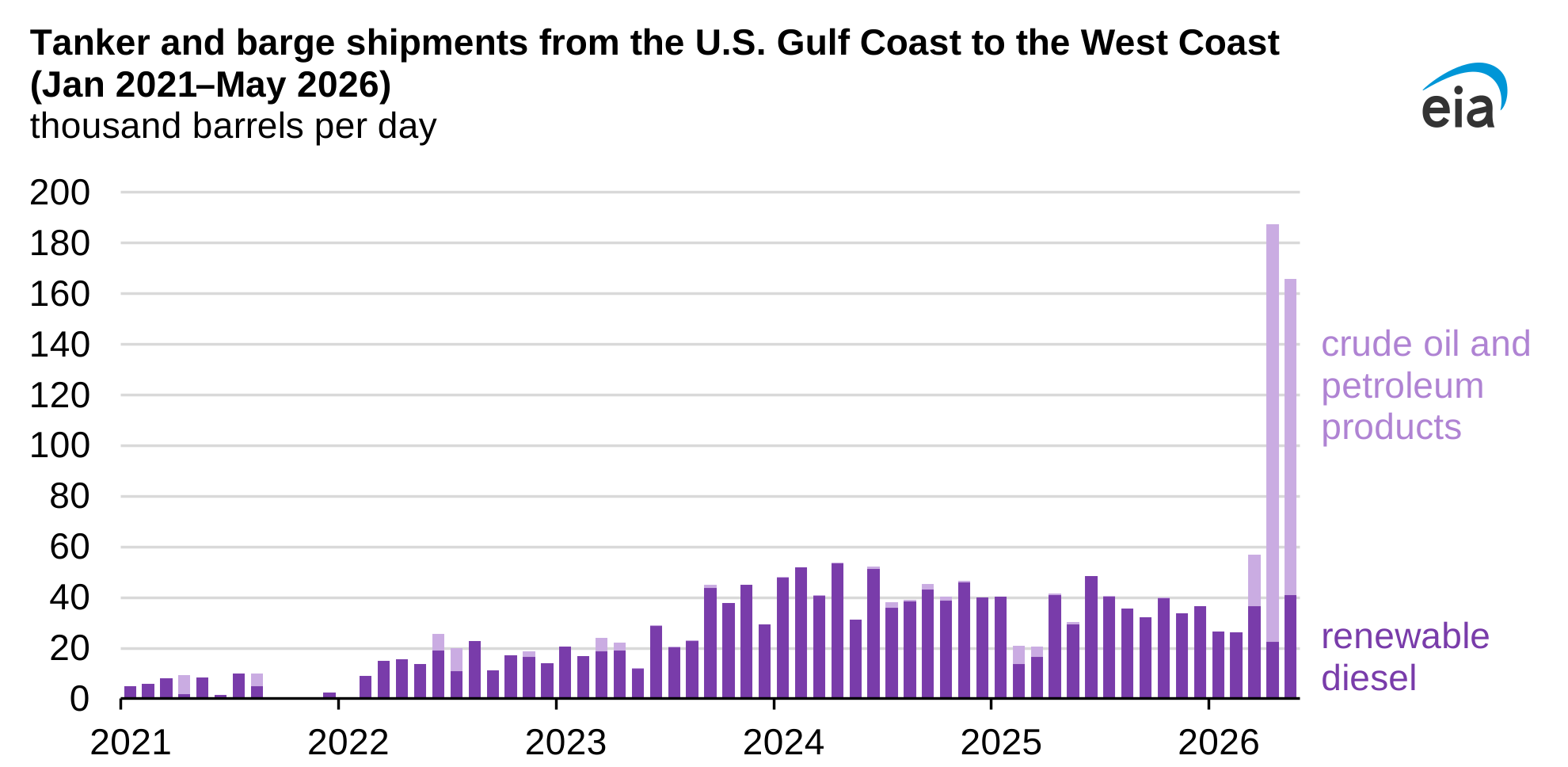
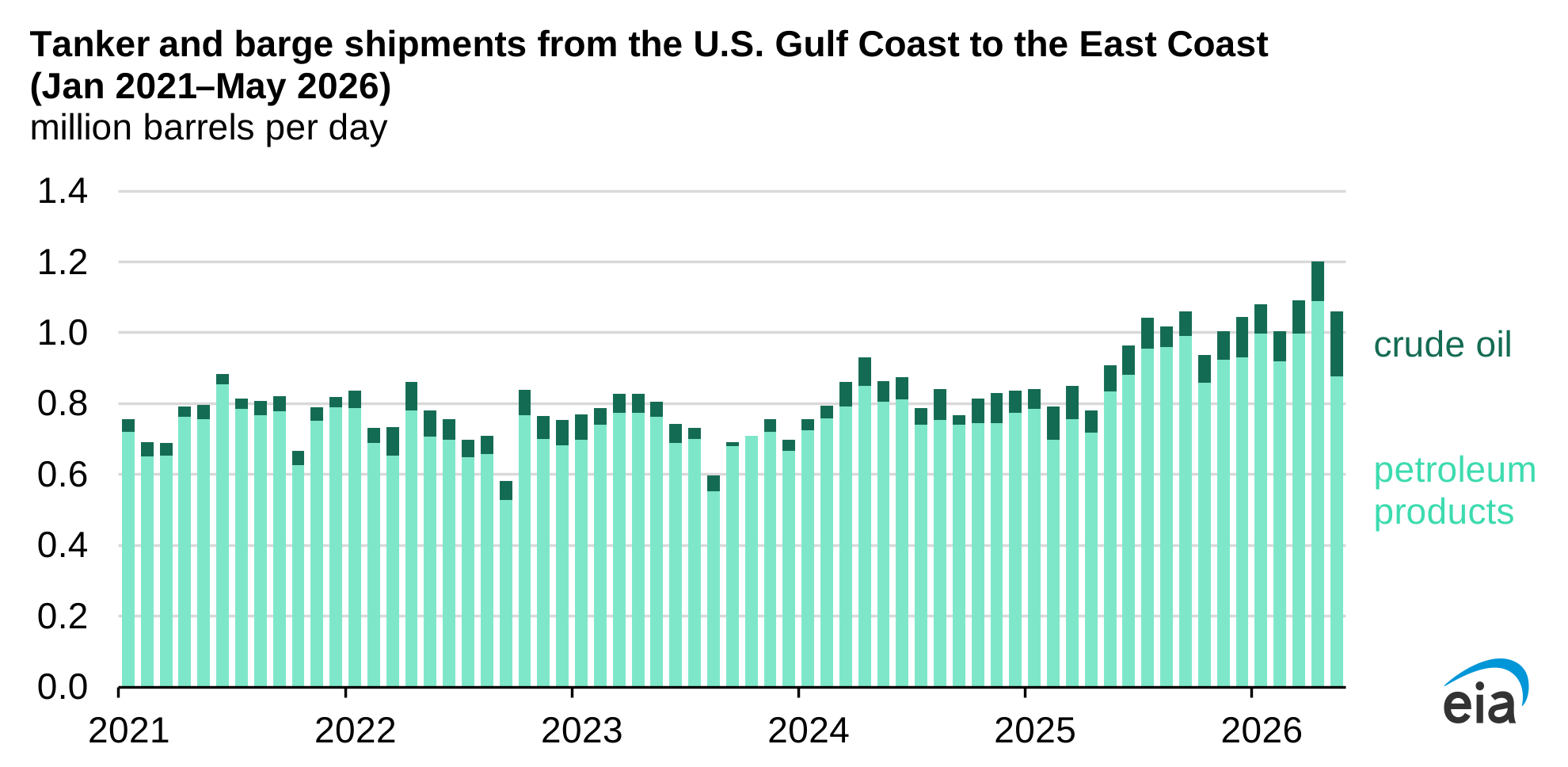
Waterborne shipments of crude oil and petroleum products from the U.S. Gulf Coast (PADD 3) to the West Coast (PADD 5) more than quadrupled year-on-year in April and May following a waiver that permitted a broader group of ships to travel between U.S. ports. Shipments from the U.S. Gulf Coast to the East Coast (PADD 1) also increased.
The U.S. Department of Homeland Security issued a limited waiver of the Jones Act, on March 17 and has renewed it since. The Jones Act requires goods or passengers moved in U.S. coastal waters between U.S. ports to be carried on U.S. flagged and owned ships that are constructed in the United States and crewed by U.S. citizens.
Total petroleum shipments to the West Coast increased in April to more than double the previous record, and they remained elevated in May. From 2021 through February 2026—the last full month before the Jones Act waiver—renewable diesel was the only product that moved by tanker and barge from the Gulf Coast to the West Coast in most months, making up 96% of waterborne shipments along that route. In April, the addition of substantial shipments of gasoline blending components, finished motor gasoline, jet fuel, and crude oil brought total shipments to 190,000 barrels per day (b/d), up from less than 30,000 b/d in January and February.
Shipments from the U.S. Gulf Coast to the East Coast also increased to a record 1.2 million b/d in April, 11% higher than the pre-waiver record. Gulf Coast to East Coast shipments make up most of the waterborne inter-PADD transfers in the United States because Florida relies on waterborne receipts from Gulf Coast refining centers for much of its transportation fuel supply. Shipments of gasoline blending components and distillate fuel reached record highs of 620,000 b/d and 220,000 b/d, respectively, in April. Total waterborne movements declined 12% in May, but crude oil shipments from the Gulf Coast to the East Coast increased to a record 180,000 b/d.
Principal contributor: Jimmy Troderman
Tags: oil/petroleum, Gulf Coast