
Growing natural gas deficit leads Egypt to ramp up natural gas imports
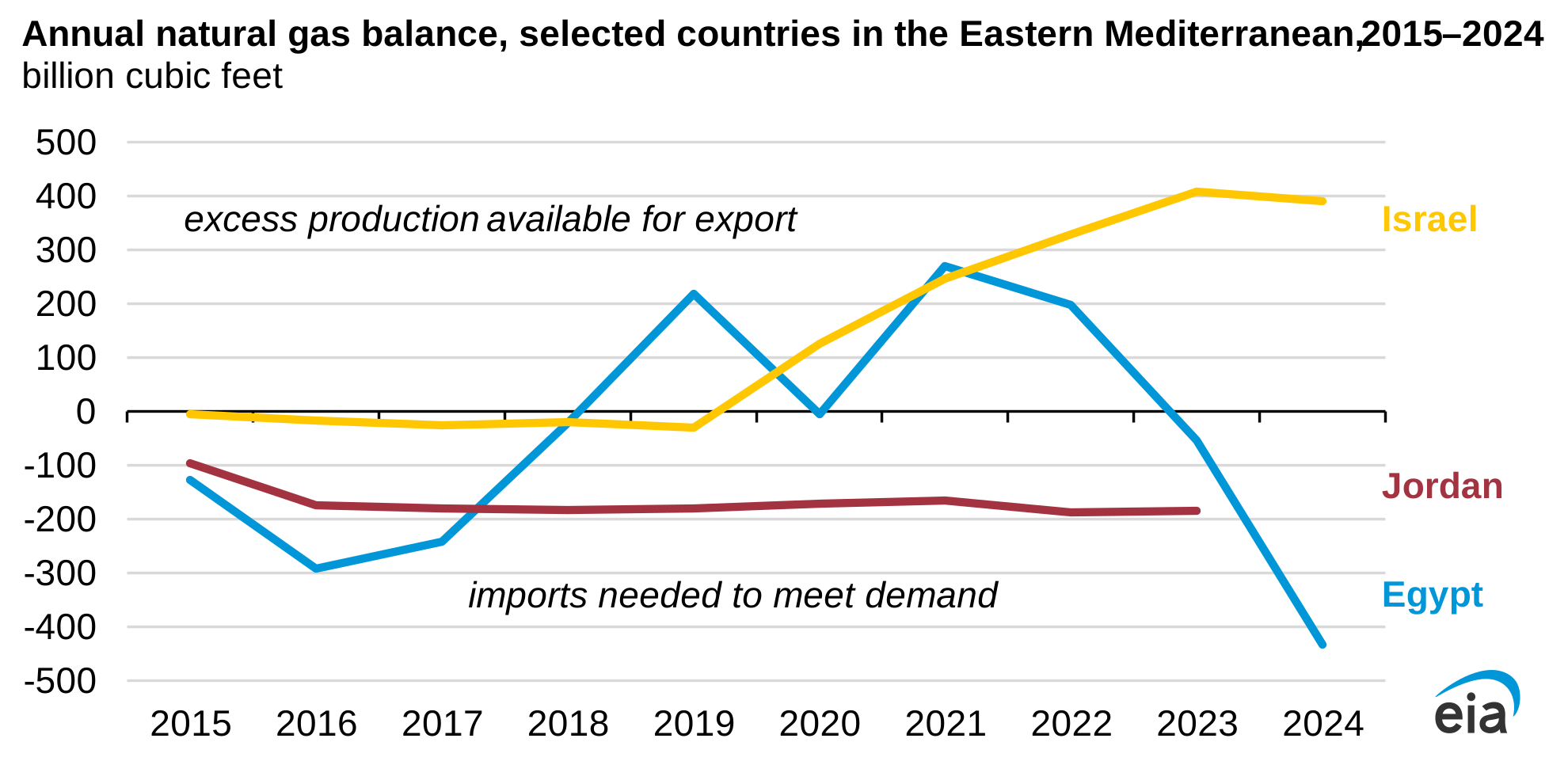
Note: The natural gas balance estimate is calculated by subtracting each country's annual natural gas consumption from its respective annual natural gas production.
In August 2025, Egyptian firm Blue Ocean Energy struck a $35 billion deal with partners in the Chevron-operated Leviathan field offshore of Israel to import more natural gas from Israel, the latest move by Egypt to meet natural gas demand that is outpacing domestic production. In our latest update to the Eastern Mediterranean Energy briefing, we discuss the drivers behind Egypt’s dwindling natural gas supply and analyze the natural gas dynamics in the region.
We estimate a country’s implied natural gas balance by subtracting domestic natural gas consumption from domestic production. A positive number indicates a surplus, while a negative number indicates a shortfall in supply.
The discovery and fast-track development of the Zohr field, Egypt’s largest offshore natural gas discovery to date, brought a significant boost to production and initially indicated that Egypt could become a regional exporter of natural gas. The field was discovered in 2015 and developed in 2017. However, operational and technical issues at the Zohr field resulted in lower production, requiring Egypt to turn to natural gas imports to meet domestic demand for natural gas, which has steadily increased over the past decade.
This year, Egypt is seeking to address any shortfall in natural gas supply by ramping up import purchases of liquefied natural gas (LNG). It is also chartering three additional floating storage regasification units (FSRUs) that are scheduled to begin operations in Ain Sukhna on the Gulf of Suez and in Damietta on the Mediterranean Sea by the end of third-quarter 2025. A fourth FSRU, the Höegh Gandria, is scheduled to replace the Höegh Galleon, which has been operating at the Port of Sumed near Ain Sukhna, in fourth-quarter 2026.
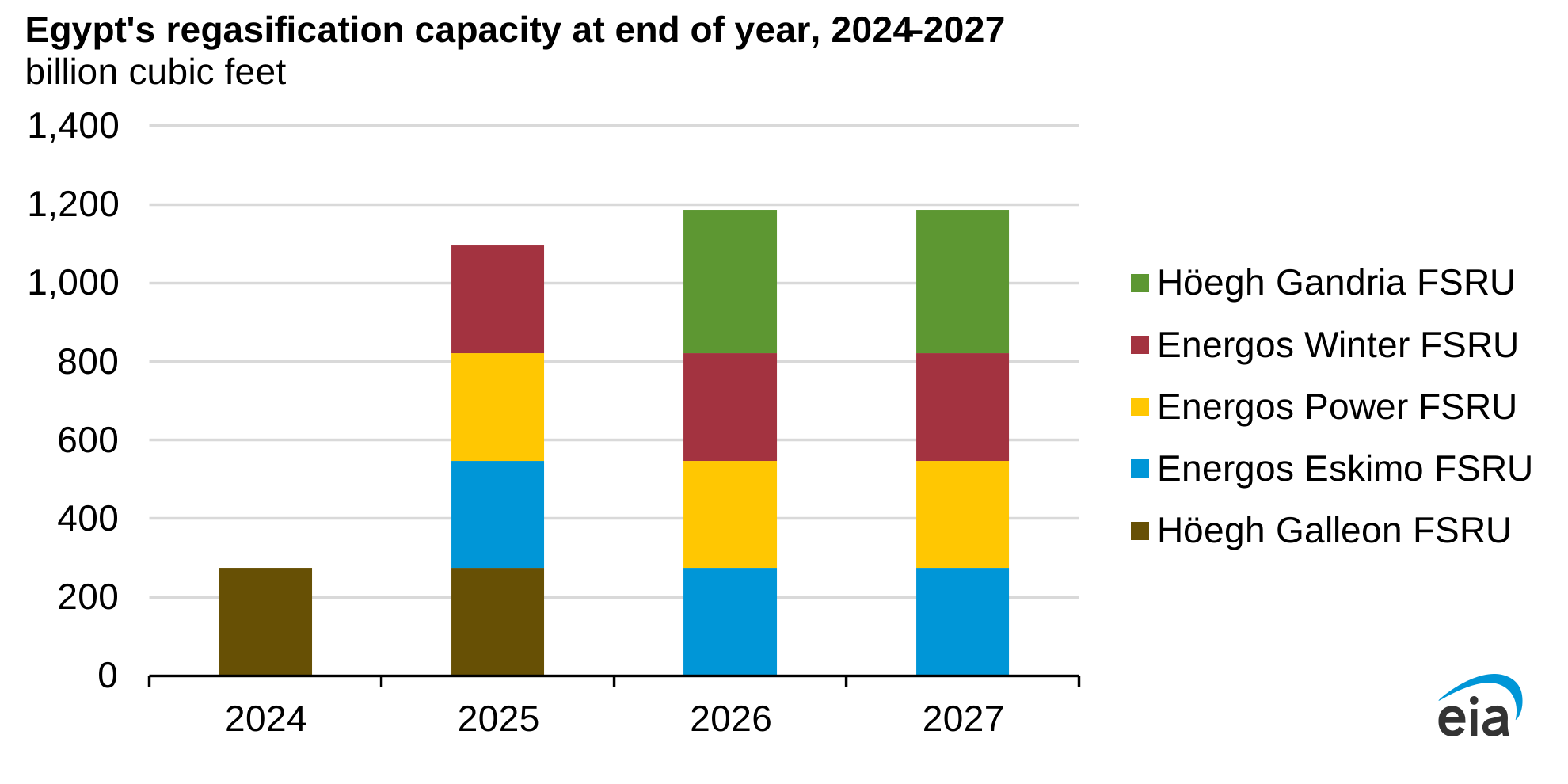
Note: FSRU=floating storage regasification unit
Israel developed a substantial natural gas supply after the commercial start of its offshore natural gas discoveries in the 2010s, most notably at the Tamar field in 2013 and the Leviathan field in 2019. Israel’s production surpassed its domestic consumption soon after, freeing up supply for export via pipeline to Jordan and Egypt. Israel currently lacks LNG export capacity.
Jordan runs a natural gas deficit because it produces very little natural gas and therefore relies on piped natural gas from Israel. To ensure import flexibility, Jordan secured the Energos Force FSRU, which began operating at the port of Aqaba in August 2025. The Energos Force replaces the Energos Eskimo FSRU that was operating at the port until June 2025 when it departed for Egypt after its charter expired. Jordan also signed an agreement with Egypt in December 2024 to secure LNG supplies from Egypt’s FSRUs over the next two years, which will provide additional import security.
Principal contributor: Eric Han
Tags: natural gas, exports/imports, international