
Of the operating U.S. coal-fired power plants, 28% plan to retire by 2035
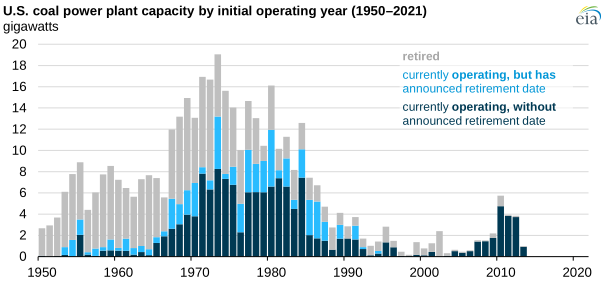
Although coal-fired power plants have no mandatory retirement age, power plant owners and operators have reported to EIA that they plan to retire 28%, or 59 gigawatts (GW), of the coal-fired capacity currently operating in the United States by 2035. As of September 2021, 212 GW of utility-scale coal-fired electric-generating capacity was operating in the United States, most of which was built in the 1970s and 1980s, according to our Preliminary Monthly Electric Generator Inventory.
The average operating coal-fired generating unit in the United States is 45 years old. The units that have reported plans to retire are not necessarily the oldest ones operating; some units built in the 1980s and 1990s are also scheduled to retire. When they retire, the retiring units will have approximately 50 years of service, based on their planned retirement dates.
Planned retirement dates for these plants were reported to us by power plant owners and operators. Planned retirement dates within the next four to five years are considered relatively firm; retirements further in the future are subject to more regulatory and economic uncertainty.
Our Preliminary Monthly Electric Generator Inventory categorizes generating units that are installed and available to generate electricity as operating, regardless of how often they actually run during the year. The data also include a comprehensive list of coal-fired generators that have retired since 2002. Since 2002, around 100 GW of coal capacity has retired in the United States; the capacity-weighted average age at retirement was 50 years.
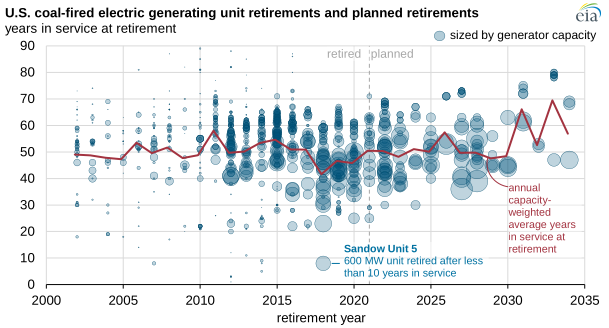
Coal plants usually aren’t built with a specific planned or enforced retirement age. Retirements largely occur either when the cost of operating a plant exceeds expected revenue or when operating costs exceed the plant’s value to the power system, such as its value in providing reliability to the electric grid. These situations can occur when lower-cost or more efficient technologies enter the market, when fuel prices change, or when new regulations require additional investment in the unit to remain in compliance.
Coal-fired plants in particular have been identified as a large source of CO2 emissions. As a result, many states with clean energy standards have required a reduction or complete phase-out of coal-fired generation, even though some units may still be economically viable. As a result of continued pressure on coal generation to reduce CO2 emissions, the number of coal plants planning to retire between now and 2035 is likely to increase.
As of September 2021, developers have not reported plans to install any new utility-scale coal-fired power plants in the United States, according to our Preliminary Monthly Electric Generator Inventory.
Principal contributor: David Fritsch
Tags: generation, coal, electricity, retirements, power plants