
As Texas wind and solar capacity increase, energy curtailments are also likely to rise
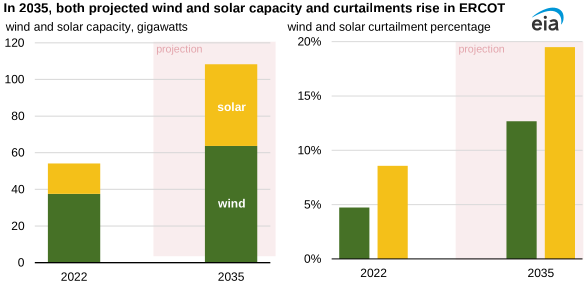
We project combined wind and solar generating capacity in Texas's power market will double by 2035, fueling a growing renewable share of total generation. However, without upgrades to the state's transmission system, wind and solar generation will increasingly be curtailed, according to our recent analysis, A Case Study of Transmission Limits on Renewables Growth in Texas.
Grid operators must maintain a continuous balance between electricity supply and electricity demand to assure power system reliability. If more wind and solar power is available for production than the grid can use, grid operators have to curtail wind and solar generation to keep the grid balanced.
In 2022, the Electric Reliability Council of Texas (ERCOT), the grid manager for most of Texas, curtailed 5% of its total available wind generation and 9% of total available utility-scale solar generation. By 2035, however, we project wind curtailments in ERCOT could increase to 13% of total available wind generation, and solar curtailments could reach 19%.
In our analysis, we assume that no significant upgrades will be made to the ERCOT transmission grid so that we could isolate how the existing transmission system affects future renewable generation.
Wind and solar power are intermittent sources of generation; they only generate electricity when the wind is blowing or the sun is shining. Our analysis shows that on days with more wind and solar generation and strong system electricity demand, limited transmission line capacity restricted wind and solar generation flows, and curtailments occurred. These types of curtailments account for 36% of the projected curtailments in 2035, which could be reduced by upgrading the transmission system.
However, most (64%) of the wind and solar curtailments in our analysis happened when the energy supply from high wind and solar resources outpaced low system electricity demand. An increase in demand, such as through battery charging, could potentially reduce these types of curtailments.
In this case study, we used our Annual Energy Outlook load forecast for 2035 and included our expectation of successfully completed power plant capacity additions. To help identify where the new capacity would be located on the transmission system, we relied on ERCOT’s Generator Interconnection Status Report (GIS) to develop the electricity portfolio capacity additions for this analysis, which included wind, solar, battery storage, and natural gas resources. You can find more information about our methodology and findings in our full analysis, A Case Study of Transmission Limits on Renewables Growth in Texas.
Principal contributors: Debra Warady, Tyler Hodge, Lindsay Aramayo
Tags: production/supply, wind, Texas, solar