
Menu
Crude oil, gasoline, heating oil, diesel, propane, and other liquids including biofuels and natural gas liquids.
Exploration and reserves, storage, imports and exports, production, prices, sales.
Sales, revenue and prices, power plants, fuel use, stocks, generation, trade, demand & emissions.
Energy use in homes, commercial buildings, manufacturing, and transportation.
Reserves, production, prices, employment and productivity, distribution, stocks, imports and exports.
Includes hydropower, solar, wind, geothermal, biomass and ethanol.
Uranium fuel, nuclear reactors, generation, spent fuel.
Comprehensive data summaries, comparisons, analysis, and projections integrated across all energy sources.
Monthly and yearly energy forecasts, analysis of energy topics, financial analysis, congressional reports.
Financial market analysis and financial data for major energy companies.
Greenhouse gas data, voluntary reporting, electric power plant emissions.
Maps, tools, and resources related to energy disruptions and infrastructure.
State energy information, including overviews, rankings, data, and analyses.
Maps by energy source and topic, includes forecast maps.
International energy information, including overviews, rankings, data, and analyses.
Regional energy information including dashboards, maps, data, and analyses.
Tools to customize searches, view specific data sets, study detailed documentation, and access time-series data.
EIA's free and open data available as API, Excel add-in, bulk files, and widgets
Come test out some of the products still in development and let us know what you think!
EIA's open source code, available on GitHub.
Forms EIA uses to collect energy data including descriptions, links to survey instructions, and additional information.
Sign up for email subscriptions to receive messages about specific EIA products
Subscribe to feeds for updates on EIA products including Today in Energy and What's New.
Short, timely articles with graphics on energy, facts, issues, and trends.
Lesson plans, science fair experiments, field trips, teacher guide, and career corner.
U.S. ENERGY INFORMATION ADMINISTRATION WASHINGTON DC 20585
FOR IMMEDIATE RELEASE October 15, 2025
In its 2025 Winter Fuels Outlook, EIA forecasts U.S. households heated by natural gas will pay about the same to heat their homes as they did last winter. On average, EIA expects households heated by electricity to pay more to heat their homes and households heated by propane or heating oil to pay less to heat their homes this winter than last winter.
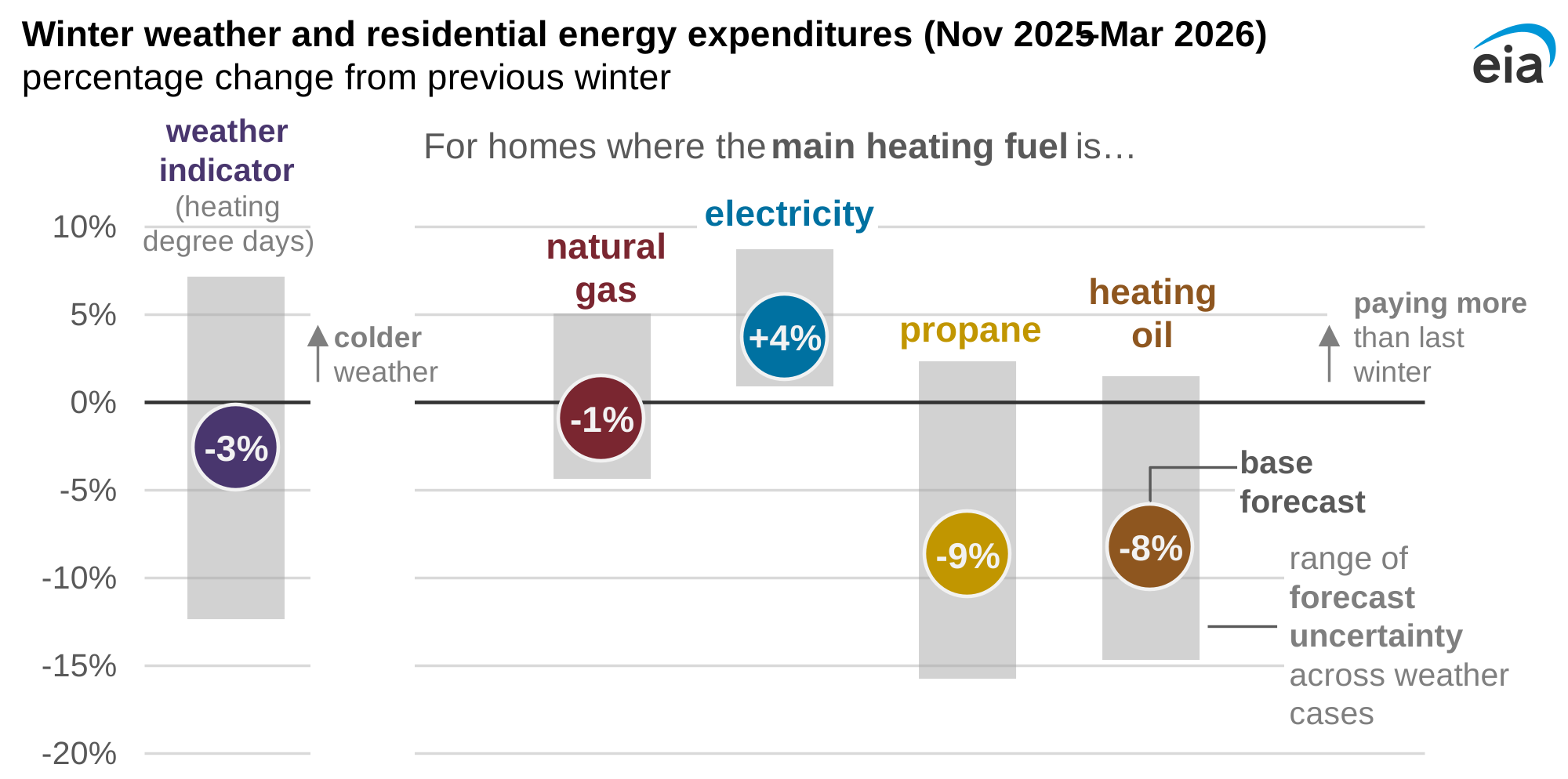
The average household’s total winter heating cost will be driven primarily by the retail price of its primary heating fuel: natural gas, electricity, propane, or heating oil.
The Winter Fuels Outlook includes forecasts for energy prices, fuel consumed for heating, and total winter season expenditures for heat at the national and regional levels. The forecasts include a base case and side cases considering weather that is 10% colder or 10% warmer than forecast.
In EIA’s colder weather case, the forecast cost to heat a household this winter is higher than last winter for all heating sources. In the warmer weather case, the average heating cost is lower this winter for natural gas, propane, and heating oil, but households heated primarily by electricity will pay about the same as they did last winter in EIA’s forecast because of higher forecast electricity prices.
The Winter Fuels Outlook forecasts are highly uncertain, both because weather can change dramatically over the five-month winter season and because commodity prices can be volatile. EIA will update the Winter Fuels Outlook forecasts every month through March 2026 to reflect changes in commodity prices and temperatures.
EIA Press Contact: Chris Higginbotham, EIAMedia@eia.gov