
In 2021 U.S. natural gas-fired power generation declined for the first time in four years
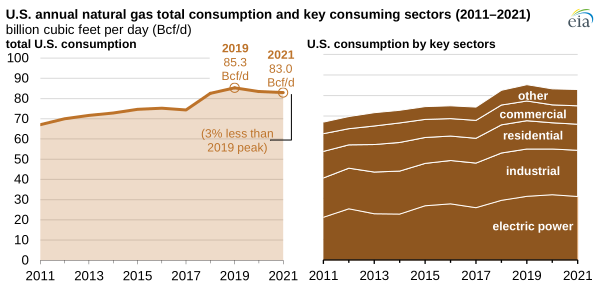
According to our recently released Natural Gas Annual, natural gas consumption in all sectors in the United States was effectively flat between 2020 and 2021, down by only 0.5 billion cubic feet per day (Bcf/d). U.S. natural gas consumption reached a record 85.3 Bcf/d in 2019 and has declined annually since then. Reduced economic activity during the COVID-19 pandemic reduced natural gas consumption in key demand sectors. The decline in natural gas used in the electric power sector, the largest U.S. natural gas-consuming sector, drove the total decline, falling by 3% in 2021 and reversing four years of annual growth in the sector.
U.S. natural gas consumption rose slightly or remained flat in all other key sectors. In 2021, consumption by both the commercial and industrial sectors rose by 0.2 Bcf/d, and residential natural gas consumption remained flat.
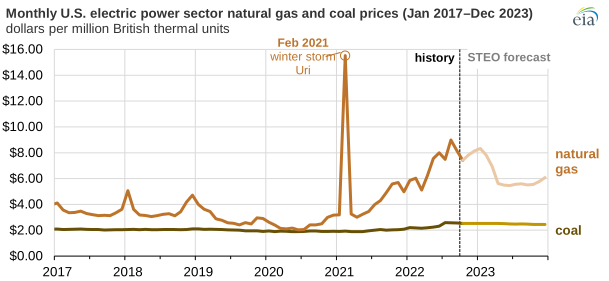
High natural gas prices in 2021 made natural gas a less competitive fuel, particularly compared with coal; coal prices for electricity generators remained relatively stable in 2021. The wholesale spot price for natural gas at the Henry Hub benchmark in Louisiana nearly doubled from 2020 to 2021, rising to average $3.89 per million British thermal units, according to data from Refinitiv.
U.S. natural gas prices rose throughout 2021 because of tighter supply and demand balances, low inventories, and weather-related consumption limitations and production outages. High natural gas prices in global markets also encouraged natural gas exports. In 2021, the United States exported 30% more natural gas compared with 2020.
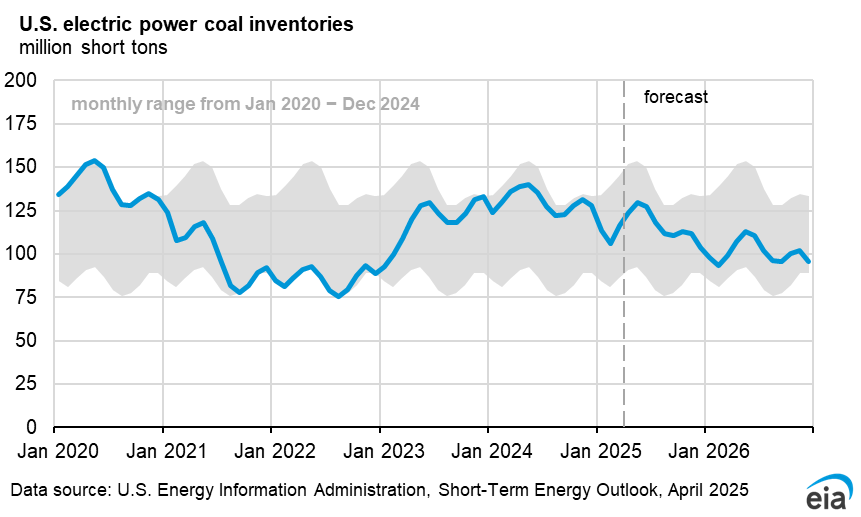
Natural gas-fired generation capacity has continued to increase with the ongoing retirement of coal-fired generation capacity. Despite relatively high natural gas prices, natural gas accounted for 37% of all power generation in 2021, nearly equal to the combined shares of coal and nuclear (the next two largest sources). Historically low coal inventories at power plants limited coal-fired electricity generation in summer and early fall, which, in turn, could have also pushed natural gas prices higher.
We expect annual natural gas-fired generation to increase by 5% in 2022 because of constraints in alternative sources of generation, which is partly the result of rapidly rising coal prices. We expect total U.S. natural gas consumption to rise by about 5% in 2022, a result of more natural gas consumption across almost all sectors.
Principal contributor: Kristen Tsai
Tags: generation, consumption/demand, coal, electricity, natural gas