
Residential and commercial natural gas prices reach multiyear highs in 2022
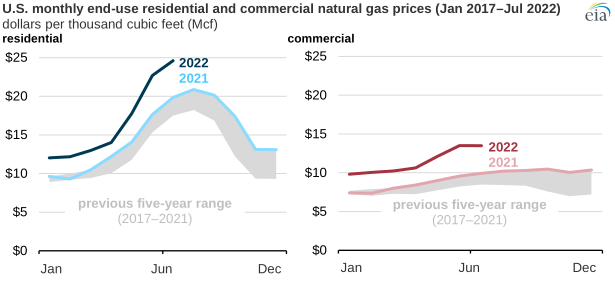
Residential and commercial U.S. natural gas prices were relatively high throughout 2021 and have exceeded the previous five-year (2017–21) range so far this year, according to our recently released Natural Gas Monthly. In real terms, the 2021 annual residential price was the highest since 2014, and the commercial price was the highest since 2015. For January–July 2022, the nominal residential price averaged $13.25 per thousand cubic feet (Mcf), 25% higher than for the same period in 2021. The commercial price averaged $10.50/Mcf, which was 33% higher.
The residential sector includes buildings, houses, apartment buildings, and mobile homes. The commercial sector includes commercial buildings, government buildings, schools, and institutional living quarters. Residential and commercial prices are stabilized by regulatory mechanisms and other factors. As a result, they are typically more consistent from year to year than spot prices and less reactive to short-term weather trends. The wholesale cost of natural gas has been relatively high since early 2022. A number of factors determine the wholesale price of natural gas, including:
- Production
- Storage levels
- Heating and cooling demand
- Availability of fuel substitutes
- Power-sector consumption
- Imports and exports
In several months this year, the Henry Hub spot price was essentially double the 2021 price for the same month. Record-high liquefied natural gas (LNG) exports, in particular, have been a growing source of natural gas demand. Since 2021, the volume of natural gas used to support U.S. LNG exports has exceeded the volume consumed in the commercial sector. A large share of LNG exports has been going to Europe to displace natural gas from Russia, contributing to higher demand for U.S. LNG.
Changes in the natural gas wholesale price affect residential and commercial natural gas prices. Public Utility Commissions (PUCs), which regulate natural gas distributors, have a number of ways to stabilize prices and ensure reliable supply. To meet PUC regulations, distributors may employ:
- Storage (which operates as physical hedging)
- Financial hedging (using swaps, options, and futures)
- Natural gas procurement strategies (including short- and long-term contracting, bidweek/month-ahead purchases, and firm transportation agreements)
These strategies reduce the short-term effects of day-ahead prices, ensure reliability of supply, and keep distributor rates from fluctuating sharply.
The wholesale natural gas price, however, is only one component of residential and commercial natural gas prices. Our published natural gas price data include all costs associated with the sale, such as:
- Taxes
- Transportation fees
- Connection fees
- Storage fees
- Program participation fees
The wholesale price of natural gas is often only a small portion of the consumer’s (end-user) price. We calculate end-use prices as the ratio of all revenue collected in a sector to the volumes consumed in that sector during a specific time period.
Principal contributor: Mike Kopalek
Tags: prices, residential, commercial, natural gas